THE ADVENTURE COLLECTIVE® · Independent discovery and booking for outdoor travel

Walk U Street after dark and follow the footsteps of jazz legends, wartime heroes, and community activists on a two-hour guided tour. Learn where music, food, and activism shaped one of DC’s most storied neighborhoods.
Walk U Street after dark and follow the footsteps of jazz legends, wartime heroes, and community activists on a two-hour guided tour. Learn where music, food, and activism shaped one of DC’s most storied neighborhoods.
The streetlight hums as you step onto U Street NW, the sidewalk guiding you past neon signs and the savory scent of late-night grills. In the evening air you hear brass notes and the chatter of small clubs — the neighborhood seems to breathe music and memory at once.
Verified experiences and guided adventures in the surrounding area.
Operated by UTG Experience · Washington, D.C., DC
The streetlight hums as you step onto U Street NW, the sidewalk guiding you past neon signs and the savory scent of late-night grills. In the evening air you hear brass notes and the chatter of small clubs — the neighborhood seems to breathe music and memory at once.
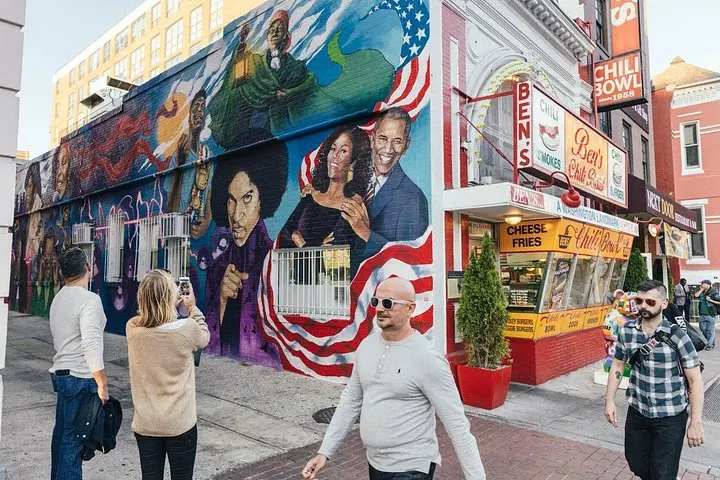
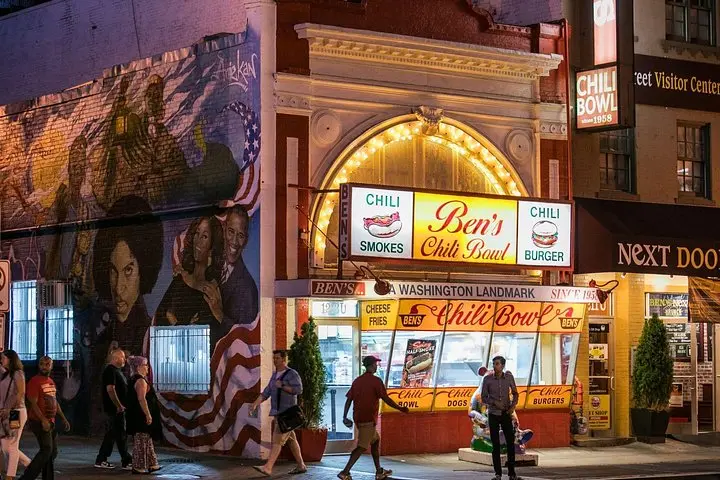
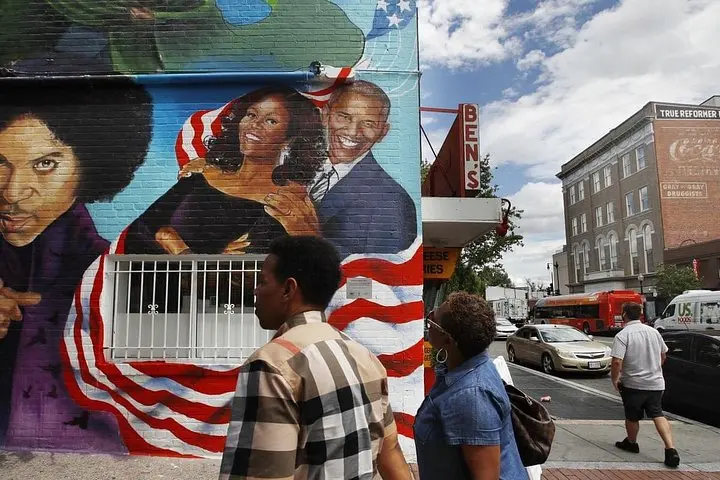
U Street was America’s “Black Broadway”: a commercial and cultural spine that, by the early 20th century, held the largest urban African-American community in the nation. On this two-hour walk you’ll pass Ben’s Chili Bowl and its evolving mural, the Howard Theatre’s revived marquee, and the USCT memorial honoring Black soldiers of the Civil War. Geologically, the corridor sits on the flat Atlantic Coastal Plain; the even streets make for an accessible, easy-paced walk that nevertheless traces deep cultural layers: migration, segregation, resistance, and revival.
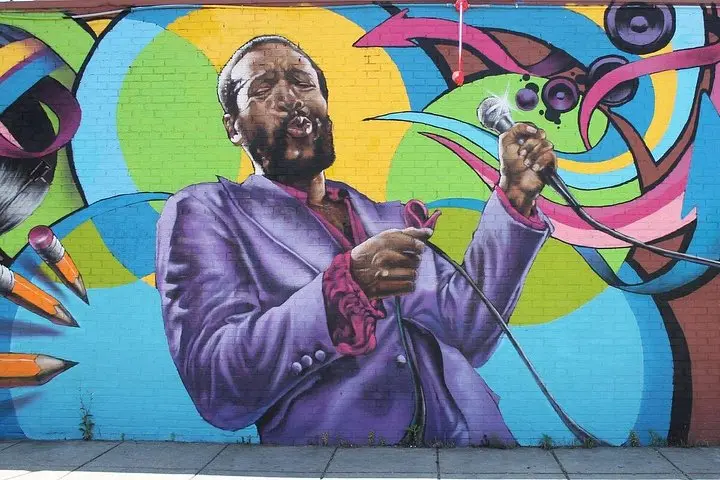
Local life is immediate — Ethiopian restaurants on the eastern edge, intimate jazz rooms tucked into side streets, and storefronts that double as living archives. Guides point out architectural clues: early-20th-century rowhouses, theater facades, and plaques commemorating artists like Duke Ellington.
Practical guidance: meet at 1250 U St NW for a two-hour evening tour that covers roughly 1–1.5 miles of mostly level pavement. Public transit (U Street–Cardozo Metro) is the easiest access; the route is wheelchair accessible but expect some curb cuts and occasional crowds. Wear comfortable walking shoes, bring a refillable water bottle, and plan to eat before or after if you want to sample local favorites. Evenings fill up fast; book ahead and arrive 10 minutes early to check in.
Meet at 1250 U St NW, Washington, DC 20009; arrive 10 minutes early to check in with your guide.
Yes, the route is rated wheelchair accessible with curb cuts, though some sidewalks can be crowded — notify the operator at booking if you need assistance.
Food is not included; the guide will point out local eateries like Ben’s Chili Bowl and Little Ethiopia if you want to eat before or after the tour.
Yes, families can join; children should be able to walk the distance and stay with the group on busy sidewalks.
UTG Experience operates guided outdoor trips and adventures with an emphasis on safety, stewardship, and memorable experiences.
The streetlight hums as you step onto U Street NW, the sidewalk guiding you past neon signs and the savory scent of late-night grills. In the evening air you hear brass notes and the chatter of small clubs — the neighborhood seems to breathe music and memory at once.
The streetlight hums as you step onto U Street NW, the sidewalk guiding you past neon signs and the savory scent of late-night grills. In the evening air you hear brass notes and the chatter of small clubs — the neighborhood seems to breathe music and memory at once.
U Street was America’s “Black Broadway”: a commercial and cultural spine that, by the early 20th century, held the largest urban African-American community in the nation. On this two-hour walk you’ll pass Ben’s Chili Bowl and its evolving mural, the Howard Theatre’s revived marquee, and the USCT memorial honoring Black soldiers of the Civil War. Geologically, the corridor sits on the flat Atlantic Coastal Plain; the even streets make for an accessible, easy-paced walk that nevertheless traces deep cultural layers: migration, segregation, resistance, and revival.
Local life is immediate — Ethiopian restaurants on the eastern edge, intimate jazz rooms tucked into side streets, and storefronts that double as living archives. Guides point out architectural clues: early-20th-century rowhouses, theater facades, and plaques commemorating artists like Duke Ellington.
Practical guidance: meet at 1250 U St NW for a two-hour evening tour that covers roughly 1–1.5 miles of mostly level pavement. Public transit (U Street–Cardozo Metro) is the easiest access; the route is wheelchair accessible but expect some curb cuts and occasional crowds. Wear comfortable walking shoes, bring a refillable water bottle, and plan to eat before or after if you want to sample local favorites. Evenings fill up fast; book ahead and arrive 10 minutes early to check in.