THE ADVENTURE COLLECTIVE® · Independent discovery and booking for outdoor travel

Walk OTR’s brick streets at twilight and sample small plates and wine at five neighborhood stops. This three‑hour tour mixes local history, adaptive‑reuse architecture, and a tasting tour of Cincinnati’s revitalized German quarter.
Walk OTR’s brick streets at twilight and sample small plates and wine at five neighborhood stops. This three‑hour tour mixes local history, adaptive‑reuse architecture, and a tasting tour of Cincinnati’s revitalized German quarter.
The light softens over brick facades as the group gathers in an 8-acre Victorian park, the cityday slipping into evening and the air filling with the clink of glasses and faint woodsmoke from nearby kitchens.
Verified experiences and guided adventures in the surrounding area.
The light softens over brick facades as the group gathers in an 8-acre Victorian park, the cityday slipping into evening and the air filling with the clink of glasses and faint woodsmoke from nearby kitchens.
This three-hour walking tour threads the streets of Over-the-Rhine (OTR), a compact neighborhood north of downtown Cincinnati built by German immigrants in the 19th century and now home to one of the largest collections of mid‑century Italianate commercial buildings in the United States. Geology here is subtle — river‑shaped terraces that once guided early industry now frame streets where breweries and bistros have moved into former warehouses. Cultural change is visible in repurposed storefronts and the steady hum of nightlife.
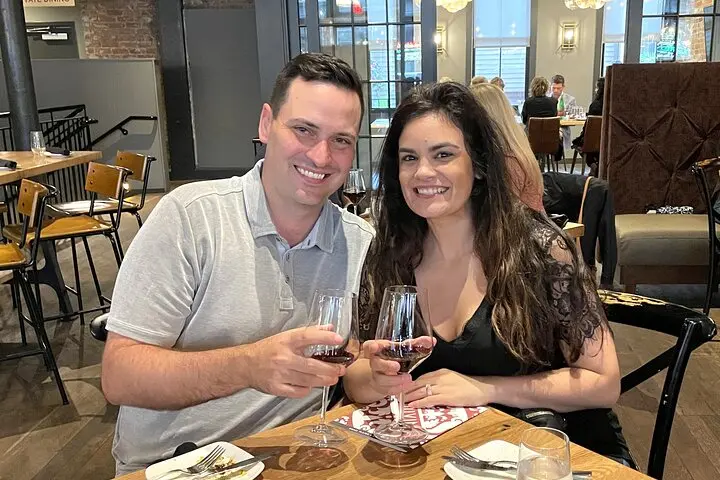
Expect five tasting stops: three small plates, dessert and two glasses of wine spread across independent restaurants and wine bars; menus rotate with partner venues, so each night has its own character. The route is primarily flat city sidewalks with occasional cobblestones and short staircases into cellar dining rooms — comfortable walking shoes are recommended. Groups move at an easy pace, pausing for brief historical notes about architecture, immigrant life, and the neighborhood’s revival.
Practicalities: tours last about three hours and suit visitors who want a paced evening of eating and light walking rather than a full sit‑down dinner. Bring a light jacket for open‑air stretches, have your confirmation handy, and arrive 10 minutes early to meet the guide. It’s a food‑forward way to sample local flavors while learning why OTR’s past shapes its present.
The tour lasts approximately three hours and typically covers 1.5–2.5 miles at an easy pace with frequent stops for tastings and commentary.
Yes — the tour includes three small plates, dessert and two glasses of wine across five neighborhood stops; menus rotate by partner restaurants.
Most operators can accommodate dietary restrictions if notified in advance; indicate allergies at booking to allow venues to plan.
The meeting point is in a central OTR park (Washington Park area); sidewalks are mostly accessible but some venues have steps or cellar dining — contact the operator for specific accessibility needs.
The light softens over brick facades as the group gathers in an 8-acre Victorian park, the cityday slipping into evening and the air filling with the clink of glasses and faint woodsmoke from nearby kitchens.
The light softens over brick facades as the group gathers in an 8-acre Victorian park, the cityday slipping into evening and the air filling with the clink of glasses and faint woodsmoke from nearby kitchens.
This three-hour walking tour threads the streets of Over-the-Rhine (OTR), a compact neighborhood north of downtown Cincinnati built by German immigrants in the 19th century and now home to one of the largest collections of mid‑century Italianate commercial buildings in the United States. Geology here is subtle — river‑shaped terraces that once guided early industry now frame streets where breweries and bistros have moved into former warehouses. Cultural change is visible in repurposed storefronts and the steady hum of nightlife.
Expect five tasting stops: three small plates, dessert and two glasses of wine spread across independent restaurants and wine bars; menus rotate with partner venues, so each night has its own character. The route is primarily flat city sidewalks with occasional cobblestones and short staircases into cellar dining rooms — comfortable walking shoes are recommended. Groups move at an easy pace, pausing for brief historical notes about architecture, immigrant life, and the neighborhood’s revival.
Practicalities: tours last about three hours and suit visitors who want a paced evening of eating and light walking rather than a full sit‑down dinner. Bring a light jacket for open‑air stretches, have your confirmation handy, and arrive 10 minutes early to meet the guide. It’s a food‑forward way to sample local flavors while learning why OTR’s past shapes its present.