THE ADVENTURE COLLECTIVE® · Independent discovery and booking for outdoor travel

See Everest and Kala Patthar from the air on a 3–4 hour helicopter loop from Kathmandu. Early-morning departures maximize visibility; dress warmly and expect rapid altitude exposure at the photo stop.
See Everest and Kala Patthar from the air on a 3–4 hour helicopter loop from Kathmandu. Early-morning departures maximize visibility; dress warmly and expect rapid altitude exposure at the photo stop.
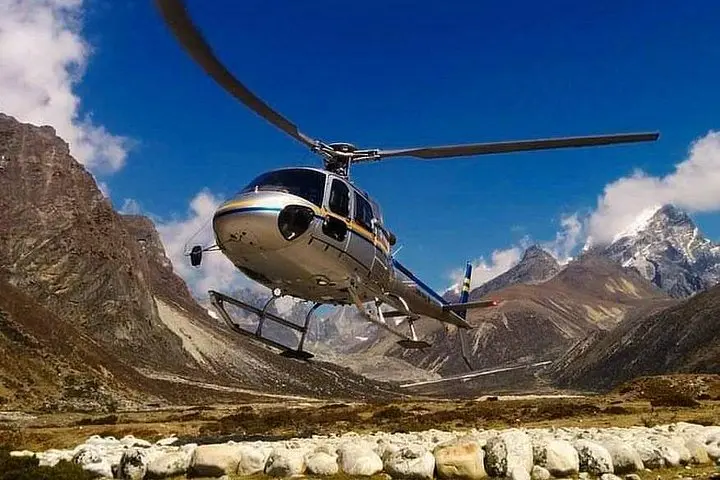
You lift from Kathmandu as the city shrinks beneath a lattice of roofs and the air sharpens. The helicopter climbs, the valley exhales, and the high peaks start to assert themselves — teeth of ice and rock that pull the eye toward Everest.
Verified experiences and guided adventures in the surrounding area.
Operated by Master Himalaya Treks and Expedition · Kathmandu, Bagmati Province
You lift from Kathmandu as the city shrinks beneath a lattice of roofs and the air sharpens. The helicopter climbs, the valley exhales, and the high peaks start to assert themselves — teeth of ice and rock that pull the eye toward Everest.
This short flight threads the Himalaya’s geological story: young, uplifted ranges, glaciers carving cirques and the Khumbu glacier crawling like a slow silver river. Culturally, the route crosses Sherpa country — prayer flags, mani walls and mountain lodges that grew around expedition histories since the 1950s. From the air you see human traces: stone walls, high trails and the stair-step pattern of settlements clinging to moraines.
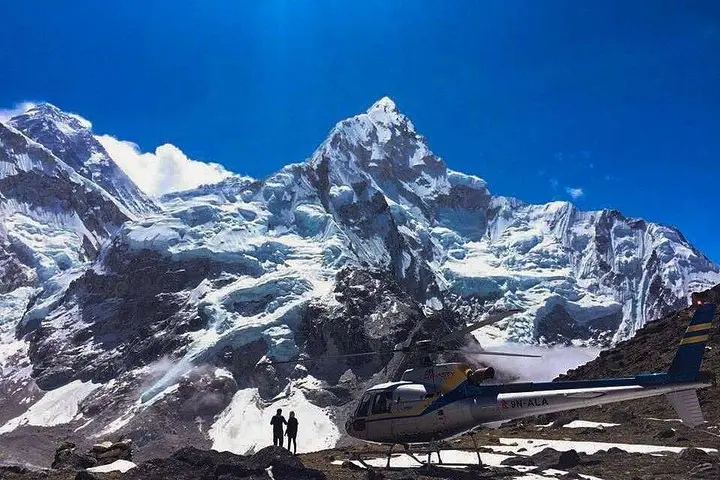
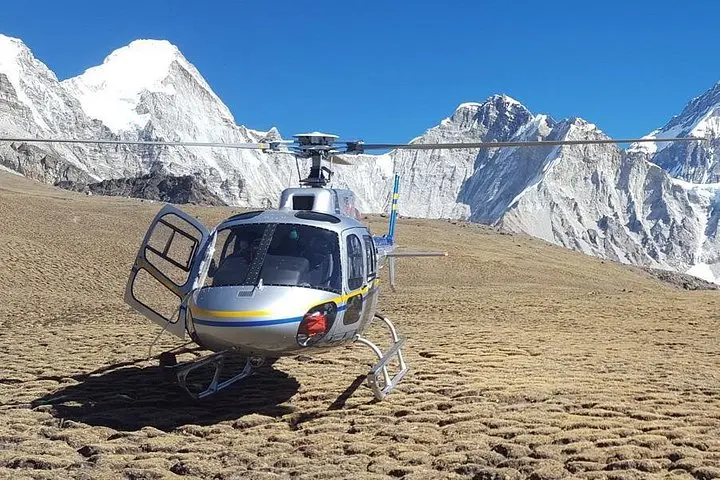
The highlight is a landing or photo stop at Kala Patthar (≈5,555 m), a vantage that gives an almost intimate view of Everest’s south face and neighboring giants such as Lhotse, Cho Oyu and Nuptse. The glacier below seems to push forward, crevasses yawning like black doors; the wind dares you to stand still and take it in.
Practical guidance: dress in layers, bring a warm hat and sunglasses — wind chill at altitude is severe even in summer. Expect 3–4 hours door-to-door including transfers; flights are weather-dependent and early-morning departures reduce cloud risk. Passengers should be steady on their feet for boarding and unsteady ground at high-altitude stops. Note the tour includes landing and facility fees and environmental charges; respect local regulations and avoid leaving waste. This flight compresses classic Himalayan scenery and high-altitude perspective into a single, efficient outing for those short on time but hungry for the mountains.
The full excursion, including transfers, takes about 3–4 hours; flight time and stops depend on weather and routing.
Most tours land at Kala Patthar or nearby viewpoints for photos; direct landings at Everest Base Camp itself are rare and subject to conditions.
Children may travel but must sit on laps if infants; passengers with heart or serious respiratory issues should avoid the tour due to rapid altitude exposure.
Mountain weather and minimum passenger requirements can cause cancellations; operators typically offer alternatives or refunds if a flight can’t proceed.
Master Himalaya Treks and Expedition operates guided outdoor trips and adventures with an emphasis on safety, stewardship, and memorable experiences.
You lift from Kathmandu as the city shrinks beneath a lattice of roofs and the air sharpens. The helicopter climbs, the valley exhales, and the high peaks start to assert themselves — teeth of ice and rock that pull the eye toward Everest.
You lift from Kathmandu as the city shrinks beneath a lattice of roofs and the air sharpens. The helicopter climbs, the valley exhales, and the high peaks start to assert themselves — teeth of ice and rock that pull the eye toward Everest.
This short flight threads the Himalaya’s geological story: young, uplifted ranges, glaciers carving cirques and the Khumbu glacier crawling like a slow silver river. Culturally, the route crosses Sherpa country — prayer flags, mani walls and mountain lodges that grew around expedition histories since the 1950s. From the air you see human traces: stone walls, high trails and the stair-step pattern of settlements clinging to moraines.
The highlight is a landing or photo stop at Kala Patthar (≈5,555 m), a vantage that gives an almost intimate view of Everest’s south face and neighboring giants such as Lhotse, Cho Oyu and Nuptse. The glacier below seems to push forward, crevasses yawning like black doors; the wind dares you to stand still and take it in.
Practical guidance: dress in layers, bring a warm hat and sunglasses — wind chill at altitude is severe even in summer. Expect 3–4 hours door-to-door including transfers; flights are weather-dependent and early-morning departures reduce cloud risk. Passengers should be steady on their feet for boarding and unsteady ground at high-altitude stops. Note the tour includes landing and facility fees and environmental charges; respect local regulations and avoid leaving waste. This flight compresses classic Himalayan scenery and high-altitude perspective into a single, efficient outing for those short on time but hungry for the mountains.