THE ADVENTURE COLLECTIVE® · Independent discovery and booking for outdoor travel

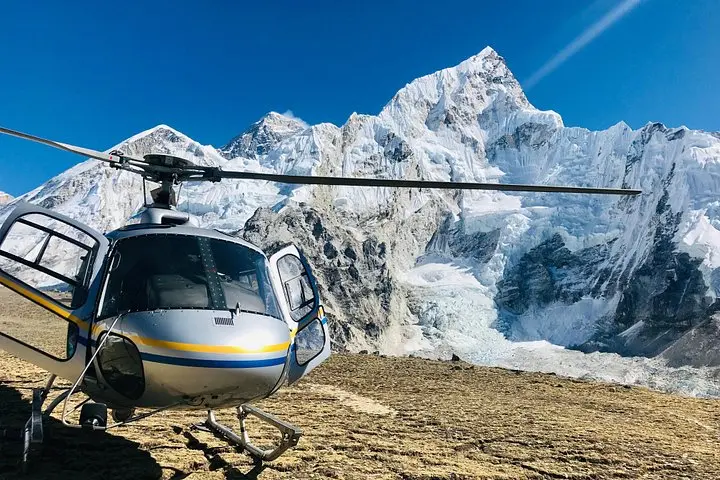
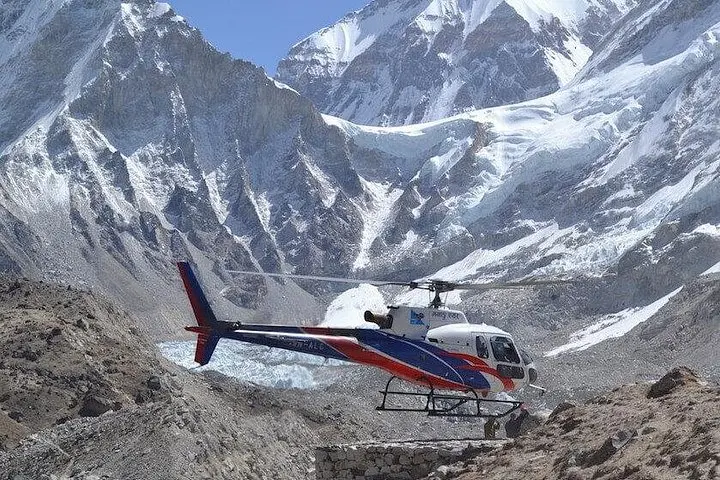
Skip the two-week trek without missing the view: a helicopter from Kathmandu takes you over the Khumbu, lands near Hotel Everest View and gives direct panoramas of Everest, Kalapatthar and Base Camp. Expect short stops, thin air and weather-dependent timing.
Skip the two-week trek without missing the view: a helicopter from Kathmandu takes you over the Khumbu, lands near Hotel Everest View and gives direct panoramas of Everest, Kalapatthar and Base Camp. Expect short stops, thin air and weather-dependent timing.
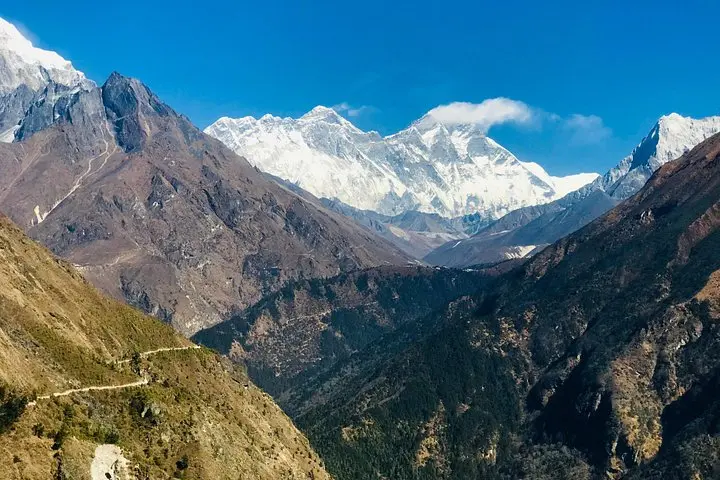
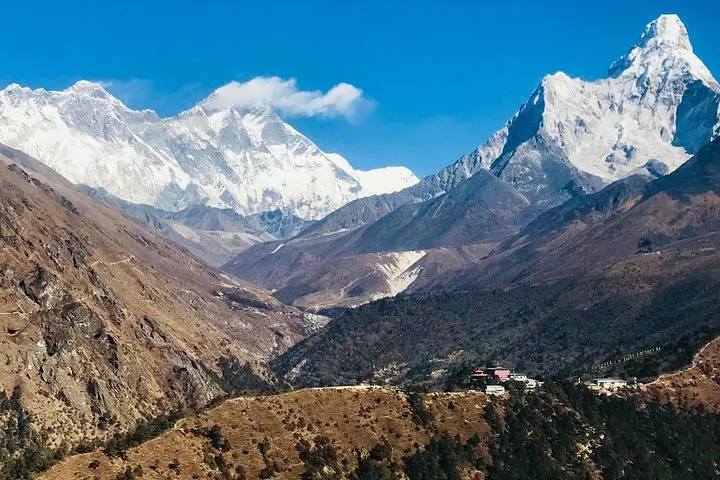
You lift from Kathmandu and the valley shrinks: rice terraces, terracotta roofs and the baggy outline of the Himalaya pile into the distance. The helicopter climbs, the wind becomes a purposeful breath, and the jagged white ridges of the Khumbu range begin to assert themselves — sharp, raw and close enough to read their contours through the cabin glass.
Verified experiences and guided adventures in the surrounding area.
Operated by Everest Experience and Assistance · Kathmandu, Bagmati Province
You lift from Kathmandu and the valley shrinks: rice terraces, terracotta roofs and the baggy outline of the Himalaya pile into the distance. The helicopter climbs, the wind becomes a purposeful breath, and the jagged white ridges of the Khumbu range begin to assert themselves — sharp, raw and close enough to read their contours through the cabin glass.
This flight follows the same air corridors that opened access to Everest after the era of ground-only expeditions. The geology here is dramatic: uplifted marine sediments turned to gneiss and schist, with sharp arêtes carved by glaciers. Culture remains visible on the ridgelines — prayer flags clack like small bells and Sherpa villages hold centuries of mountaineering tradition born from Tenzing Norgay and Sir Edmund Hillary’s 1953 ascent.
Most flights overfly the glacier-carved approach to Everest Base Camp and Kalapatthar, then touch down near the Hotel Everest View for a short, photo-rich pause. Expect thin air (the landing sites sit above 3,800 m), a brisk temperature drop and windows full of cragged ridges. The operator times landings for visibility and will swap sites if weather shifts.
Practical notes: bring your passport for airport and permit checks, dress in insulating layers and sunglasses, and keep camera batteries warm for sharp images. Flights are weather-dependent and often require weight disclosure and brief health screening. If you have limited time but want the close-range drama of the high Himalaya, this aerial option compresses days of trekking into a single, unforgettable outing.
The full excursion from Kathmandu is typically 4–6 hours including transfers; actual flight time over the Khumbu is shorter, with scheduled stops for photos and an optional landing at Hotel Everest View.
Operators usually land at designated high-altitude sites like near Hotel Everest View or a nearby clearing; direct landings on the glacier at Base Camp are rare and depend on weather and permit constraints.
Flights are weather-dependent; tours are commonly rescheduled or refunded if visibility is poor or if minimum passenger/weight requirements aren’t met.
Exposure is brief but real — most travelers tolerate the short landings, but anyone with serious cardiopulmonary issues or severe altitude sensitivity should seek medical advice before booking.
Everest Experience and Assistance operates guided outdoor trips and adventures with an emphasis on safety, stewardship, and memorable experiences.
You lift from Kathmandu and the valley shrinks: rice terraces, terracotta roofs and the baggy outline of the Himalaya pile into the distance. The helicopter climbs, the wind becomes a purposeful breath, and the jagged white ridges of the Khumbu range begin to assert themselves — sharp, raw and close enough to read their contours through the cabin glass.
You lift from Kathmandu and the valley shrinks: rice terraces, terracotta roofs and the baggy outline of the Himalaya pile into the distance. The helicopter climbs, the wind becomes a purposeful breath, and the jagged white ridges of the Khumbu range begin to assert themselves — sharp, raw and close enough to read their contours through the cabin glass.
This flight follows the same air corridors that opened access to Everest after the era of ground-only expeditions. The geology here is dramatic: uplifted marine sediments turned to gneiss and schist, with sharp arêtes carved by glaciers. Culture remains visible on the ridgelines — prayer flags clack like small bells and Sherpa villages hold centuries of mountaineering tradition born from Tenzing Norgay and Sir Edmund Hillary’s 1953 ascent.
Most flights overfly the glacier-carved approach to Everest Base Camp and Kalapatthar, then touch down near the Hotel Everest View for a short, photo-rich pause. Expect thin air (the landing sites sit above 3,800 m), a brisk temperature drop and windows full of cragged ridges. The operator times landings for visibility and will swap sites if weather shifts.
Practical notes: bring your passport for airport and permit checks, dress in insulating layers and sunglasses, and keep camera batteries warm for sharp images. Flights are weather-dependent and often require weight disclosure and brief health screening. If you have limited time but want the close-range drama of the high Himalaya, this aerial option compresses days of trekking into a single, unforgettable outing.