THE ADVENTURE COLLECTIVE® · Independent discovery and booking for outdoor travel

Fly into Lukla, hike past Sherpa villages and moraines, and stand at Kala Patthar with Everest’s face framed across the skyline. This private 12–14 day lodge trek combines cultural insight with high-altitude challenge.
Fly into Lukla, hike past Sherpa villages and moraines, and stand at Kala Patthar with Everest’s face framed across the skyline. This private 12–14 day lodge trek combines cultural insight with high-altitude challenge.
The first step is a small plane windowsill: the runway at Lukla appears like a landing strip pinned to the mountainside, and you can feel the Himalaya shift beneath you. From there the trail threads through rhododendron forests, spills into Sherpa villages and climbs over stone steps that seem to rise to the sky. By late morning on the high days, the wind off the Khumbu Glacier dares you onward; at Kala Patthar the summit views push back—Everest’s north face, Lhotse and Nuptse standing like high neighbors.
Verified experiences and guided adventures in the surrounding area.
Operated by Nepalaya Treks & Expedition · Lukla, Province No. 1
The first step is a small plane windowsill: the runway at Lukla appears like a landing strip pinned to the mountainside, and you can feel the Himalaya shift beneath you. From there the trail threads through rhododendron forests, spills into Sherpa villages and climbs over stone steps that seem to rise to the sky. By late morning on the high days, the wind off the Khumbu Glacier dares you onward; at Kala Patthar the summit views push back—Everest’s north face, Lhotse and Nuptse standing like high neighbors.
This route follows paths used by traders and mountaineers for generations and runs inside Sagarmatha National Park, a UNESCO World Heritage Site protecting glacial valleys and Sherpa culture. Geologically, the trek slices up the active collision zone of the Indian and Eurasian plates; expect moraines, icy streams and exposed rock above treeline. Local culture centers on Sherpa hospitality—tea houses, mani walls, and prayer flags set the rhythm of each day.
Practically: the itinerary generally takes 12–14 days with a light aircraft round-trip from Kathmandu to Lukla. Trekking distance from Lukla to Everest Base Camp and back is about 65–75 km total, with roughly 2,500 m net elevation gain to EBC (5,364 m) and optional Kala Patthar (~5,545 m). Trails vary from packed dirt and stone steps to loose moraine near the glacier; daily hikes are 4–8 hours. Acclimatize on rest days, carry layers, and budget for unpredictable weather. Permits (TIMS and Sagarmatha NP) and an experienced English-speaking guide are standard; lodges provide meals and basic overnight shelter. This is high-altitude trekking—respect acclimatization and treat altitude sickness as a real risk.
Yes—trekkers require a TIMS card and Sagarmatha National Park permit; these are typically arranged by the operator before the trek.
The 30–40 minute flight is scenic but weather-dependent; flights can be delayed or canceled, so schedule buffer days in Kathmandu.
Yes—the standard private lodge trek uses teahouses and mountain lodges with basic dorms or twin rooms and hot meals included in many packages.
Acute mountain sickness is a real risk above 3,000 m; reputable operators include acclimatization days, a trained guide, and first-aid kits—descending is the primary treatment.
Nepalaya Treks & Expedition operates guided outdoor trips and adventures with an emphasis on safety, stewardship, and memorable experiences.
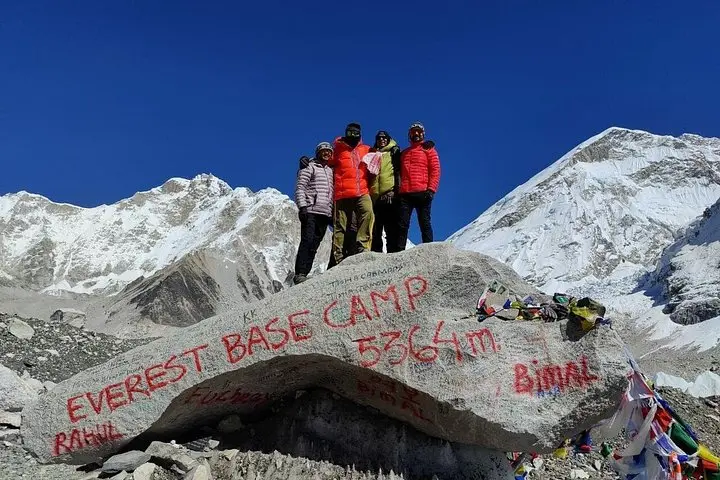
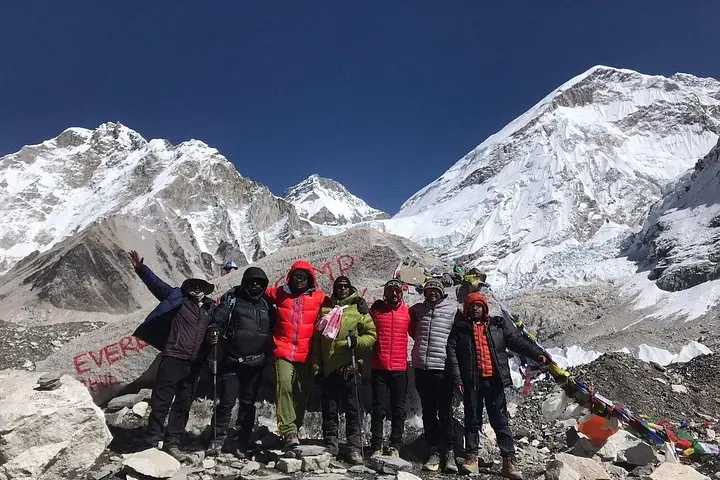
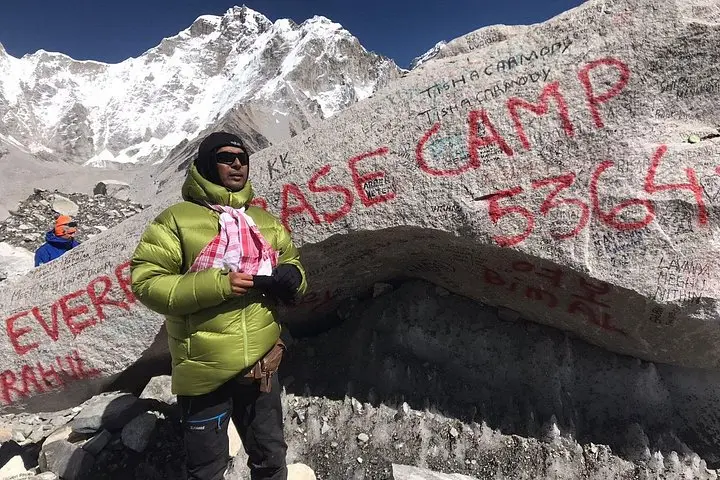
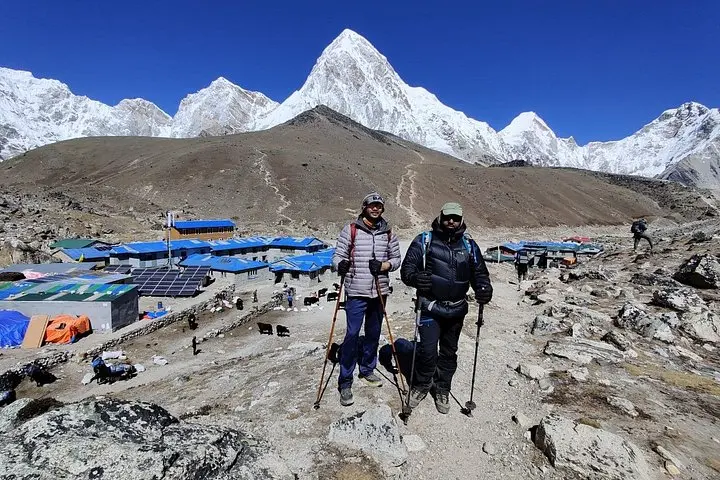
The first step is a small plane windowsill: the runway at Lukla appears like a landing strip pinned to the mountainside, and you can feel the Himalaya shift beneath you. From there the trail threads through rhododendron forests, spills into Sherpa villages and climbs over stone steps that seem to rise to the sky. By late morning on the high days, the wind off the Khumbu Glacier dares you onward; at Kala Patthar the summit views push back—Everest’s north face, Lhotse and Nuptse standing like high neighbors.
The first step is a small plane windowsill: the runway at Lukla appears like a landing strip pinned to the mountainside, and you can feel the Himalaya shift beneath you. From there the trail threads through rhododendron forests, spills into Sherpa villages and climbs over stone steps that seem to rise to the sky. By late morning on the high days, the wind off the Khumbu Glacier dares you onward; at Kala Patthar the summit views push back—Everest’s north face, Lhotse and Nuptse standing like high neighbors.
This route follows paths used by traders and mountaineers for generations and runs inside Sagarmatha National Park, a UNESCO World Heritage Site protecting glacial valleys and Sherpa culture. Geologically, the trek slices up the active collision zone of the Indian and Eurasian plates; expect moraines, icy streams and exposed rock above treeline. Local culture centers on Sherpa hospitality—tea houses, mani walls, and prayer flags set the rhythm of each day.
Practically: the itinerary generally takes 12–14 days with a light aircraft round-trip from Kathmandu to Lukla. Trekking distance from Lukla to Everest Base Camp and back is about 65–75 km total, with roughly 2,500 m net elevation gain to EBC (5,364 m) and optional Kala Patthar (~5,545 m). Trails vary from packed dirt and stone steps to loose moraine near the glacier; daily hikes are 4–8 hours. Acclimatize on rest days, carry layers, and budget for unpredictable weather. Permits (TIMS and Sagarmatha NP) and an experienced English-speaking guide are standard; lodges provide meals and basic overnight shelter. This is high-altitude trekking—respect acclimatization and treat altitude sickness as a real risk.