THE ADVENTURE COLLECTIVE® · Independent discovery and booking for outdoor travel

Follow the classic Khumbu route from Lukla to Everest Base Camp over 12 days—high-altitude hiking, teahouse stays, and dramatic glacial landscapes. This guide outlines what to expect on the trail, local context, and practical planning tips.
Follow the classic Khumbu route from Lukla to Everest Base Camp over 12 days—high-altitude hiking, teahouse stays, and dramatic glacial landscapes. This guide outlines what to expect on the trail, local context, and practical planning tips.
A wind-scoured ridge opens and the trail narrows into scree; prayer flags snap like small voices above you as the Khumbu Valley stretches toward a skyline of serrated peaks. On this 12-day trek from Lukla to Everest Base Camp, each day moves between pine-shadowed steps, long moraine walks and high, brittle air that demands a slow cadence and respect.
Verified experiences and guided adventures in the surrounding area.
Operated by Mosaic Adventure · Gorakshep, Solukhumbu District
A wind-scoured ridge opens and the trail narrows into scree; prayer flags snap like small voices above you as the Khumbu Valley stretches toward a skyline of serrated peaks. On this 12-day trek from Lukla to Everest Base Camp, each day moves between pine-shadowed steps, long moraine walks and high, brittle air that demands a slow cadence and respect.
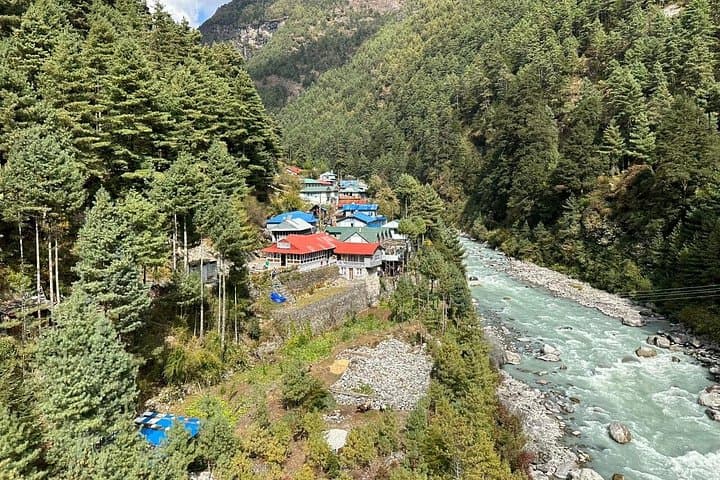
The route follows centuries-old trading paths and Sherpa trails through Sagarmatha National Park, a UNESCO-protected landscape shaped by glacial carving and tectonic uplift. Villages such as Namche Bazaar grew where traders and porters rested; monasteries and mani walls mark the culture that steadies the high passes.
Geology explains the drama: uplifted metamorphic rock and active glaciers carve steps and seracs, while seasonal monsoon patterns dictate snow and visibility. Locals—often multi-generational teahouse hosts—balance tourism with yak herding and subsistence farming, and their culture is visible in prayer wheels and afternoon tea rituals.
Practical guidance: expect 6–8 hours of hiking on longer days, simple teahouse lodging, and daily altitude gains limited to support acclimatization. Pack a layered system, a warm sleeping liner, and water treatment; slow pacing and extra rest days reduce altitude risk. Flights to/from Lukla are weather-dependent—plan buffer days in Kathmandu.
This is a demanding but non-technical high-altitude trek: no climbing gear is required, but cardiovascular fitness, prior multi-day trekking experience and attention to acclimatization protocols are essential. When the glacier wind turns, move deliberately, hydrate, and let the mountains set the pace.
Fall (late September–November) and spring (March–May) offer the most stable weather, clearer mountain views, and manageable temperatures.
No—this is a non-technical trekking route; basic trekking experience suffices, but high-altitude awareness is required.
Trekker's TIMS and Sagarmatha National Park permit are required and usually arranged by your operator before departure.
The Lukla flight is short but weather-dependent and can be bumpy; schedule buffer days and be prepared for cancellations.
Mosaic Adventure operates guided outdoor trips and adventures with an emphasis on safety, stewardship, and memorable experiences.
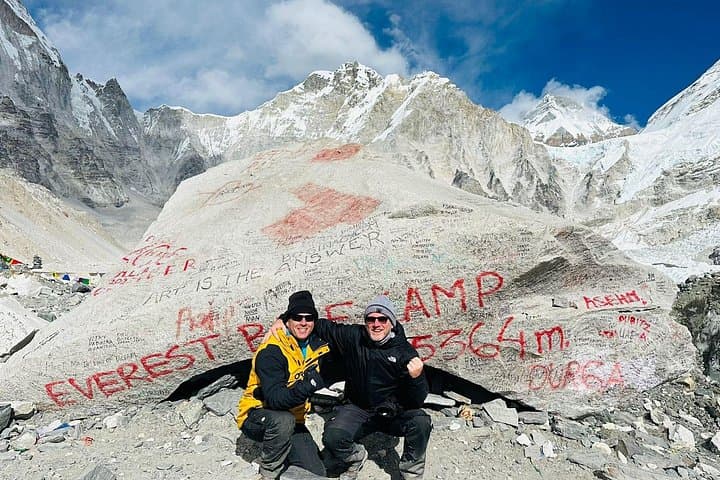
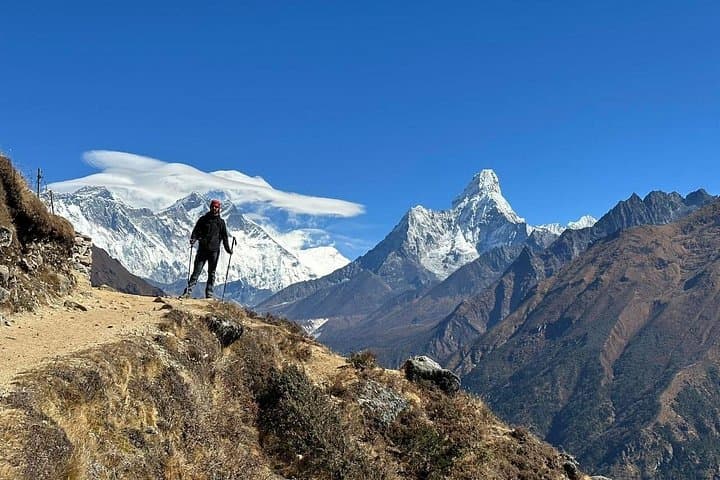

A wind-scoured ridge opens and the trail narrows into scree; prayer flags snap like small voices above you as the Khumbu Valley stretches toward a skyline of serrated peaks. On this 12-day trek from Lukla to Everest Base Camp, each day moves between pine-shadowed steps, long moraine walks and high, brittle air that demands a slow cadence and respect.
A wind-scoured ridge opens and the trail narrows into scree; prayer flags snap like small voices above you as the Khumbu Valley stretches toward a skyline of serrated peaks. On this 12-day trek from Lukla to Everest Base Camp, each day moves between pine-shadowed steps, long moraine walks and high, brittle air that demands a slow cadence and respect.
The route follows centuries-old trading paths and Sherpa trails through Sagarmatha National Park, a UNESCO-protected landscape shaped by glacial carving and tectonic uplift. Villages such as Namche Bazaar grew where traders and porters rested; monasteries and mani walls mark the culture that steadies the high passes.
Geology explains the drama: uplifted metamorphic rock and active glaciers carve steps and seracs, while seasonal monsoon patterns dictate snow and visibility. Locals—often multi-generational teahouse hosts—balance tourism with yak herding and subsistence farming, and their culture is visible in prayer wheels and afternoon tea rituals.
Practical guidance: expect 6–8 hours of hiking on longer days, simple teahouse lodging, and daily altitude gains limited to support acclimatization. Pack a layered system, a warm sleeping liner, and water treatment; slow pacing and extra rest days reduce altitude risk. Flights to/from Lukla are weather-dependent—plan buffer days in Kathmandu.
This is a demanding but non-technical high-altitude trek: no climbing gear is required, but cardiovascular fitness, prior multi-day trekking experience and attention to acclimatization protocols are essential. When the glacier wind turns, move deliberately, hydrate, and let the mountains set the pace.