THE ADVENTURE COLLECTIVE® · Independent discovery and booking for outdoor travel

A classic 12-day trek from Lukla to Everest Base Camp and Kala Patthar, this journey moves through Sherpa villages, moraine fields and high-altitude panoramas. Expect teahouse nights, thin air, and unmatched Himalayan views—plan for acclimatization and weather windows for Lukla flights.
A classic 12-day trek from Lukla to Everest Base Camp and Kala Patthar, this journey moves through Sherpa villages, moraine fields and high-altitude panoramas. Expect teahouse nights, thin air, and unmatched Himalayan views—plan for acclimatization and weather windows for Lukla flights.
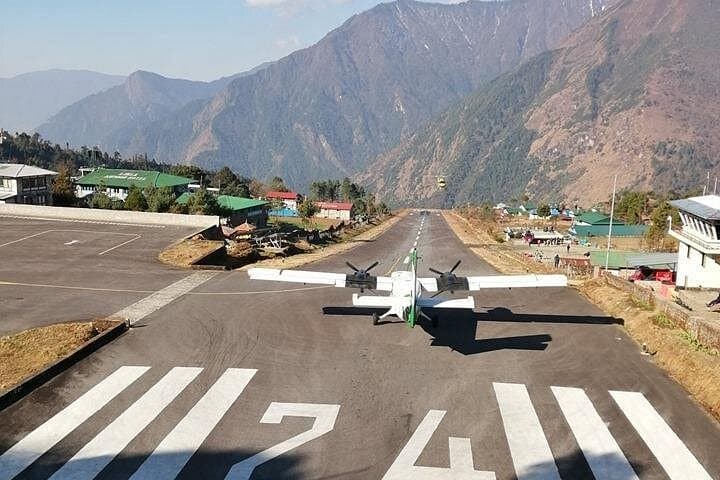
You step out of a small, trembling Twin Otter onto Lukla’s short runway and the mountains immediately close around you—rock faces and glaciers leaning in like curious neighbors.
Verified experiences and guided adventures in the surrounding area.
Operated by Shepherd Holidays · Kathmandu, Bagmati Province
You step out of a small, trembling Twin Otter onto Lukla’s short runway and the mountains immediately close around you—rock faces and glaciers leaning in like curious neighbors.
The trail first slides into pine and rhododendron, follows the Dudh Koshi’s brazen flow and climbs through Sherpa villages where prayer flags snap like small color against granite. The route follows old trade paths across suspension bridges and moraine fields, moving steadily upward through Sagarmatha National Park toward Gorak Shep, Kala Patthar and the base camp at 5,364 m.
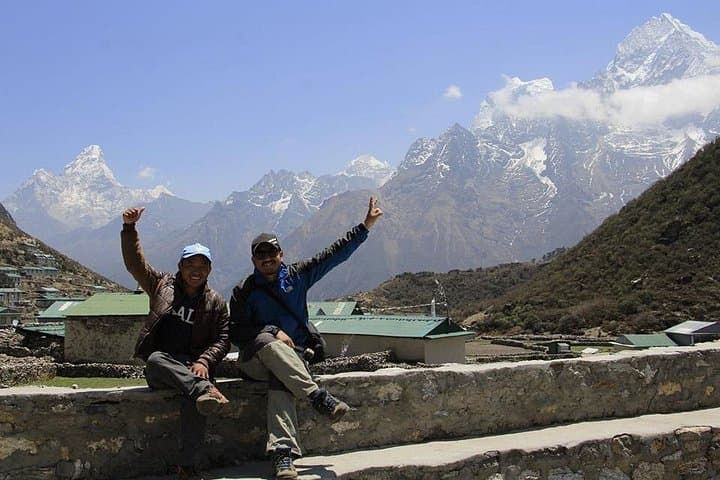
Sagarmatha (Everest) National Park, established in the 1970s and later a UNESCO site, protects a dramatic collision of the Indian and Eurasian plates; uplifted rock, moraines and glacial valleys tell the geological story. The Khumbu region is Sherpa country—monasteries at Tengboche and Khumjung show a living Himalayan culture centered on mountaineering, yak herding and prayer.
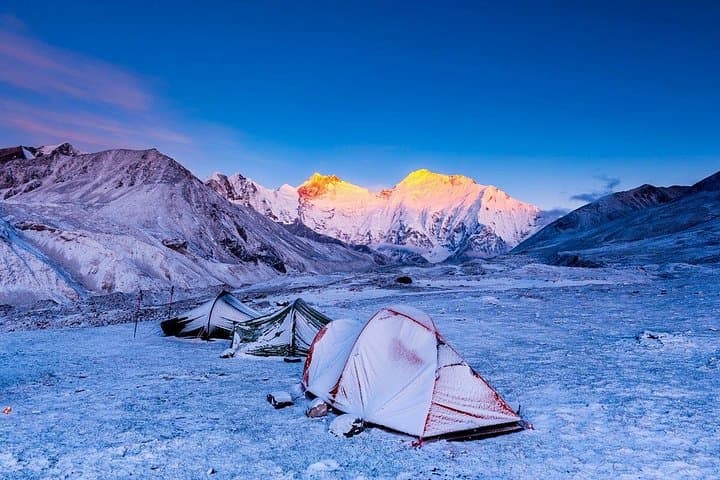
Expect thin air, rocky boots-on terrain, cold nights in teahouse lodges and spectacular sunrise views from Kala Patthar. The hike combines steady multi-hour days (4–7 hrs typical) with acclimatization pauses in Namche and Dingboche; guide-led pacing is essential. Carry layers for subzero mornings, drink frequently to fight altitude, and treat the trail with leave-no-trace discipline—the wind and ice will remember what you leave behind. Flights to and from Lukla can be weather-dependent; plan buffer days and travel insurance. With proper fitness and acclimatization, this classic trek is a raw, high-altitude passage that rewards patience with one of the clearest experiences of Everest’s scale and presence.
Yes—trekkers must carry a TIMS card and pay Sagarmatha National Park entry fees; tour operators usually handle permits for organized treks.
You should have good cardiovascular fitness and experience with multi-day hiking; training hikes and stair sessions help prepare for sustained ascents and long days.
Operators typically reschedule on the next available flight; built-in buffer days and travel insurance are strongly recommended to cover delays.
Ascend gradually, hydrate, avoid alcohol, eat well, use scheduled acclimatization days, and consult a physician about preventative medication like acetazolamide if appropriate.
Shepherd Holidays operates guided outdoor trips and adventures with an emphasis on safety, stewardship, and memorable experiences.

You step out of a small, trembling Twin Otter onto Lukla’s short runway and the mountains immediately close around you—rock faces and glaciers leaning in like curious neighbors.
You step out of a small, trembling Twin Otter onto Lukla’s short runway and the mountains immediately close around you—rock faces and glaciers leaning in like curious neighbors.
The trail first slides into pine and rhododendron, follows the Dudh Koshi’s brazen flow and climbs through Sherpa villages where prayer flags snap like small color against granite. The route follows old trade paths across suspension bridges and moraine fields, moving steadily upward through Sagarmatha National Park toward Gorak Shep, Kala Patthar and the base camp at 5,364 m.
Sagarmatha (Everest) National Park, established in the 1970s and later a UNESCO site, protects a dramatic collision of the Indian and Eurasian plates; uplifted rock, moraines and glacial valleys tell the geological story. The Khumbu region is Sherpa country—monasteries at Tengboche and Khumjung show a living Himalayan culture centered on mountaineering, yak herding and prayer.
Expect thin air, rocky boots-on terrain, cold nights in teahouse lodges and spectacular sunrise views from Kala Patthar. The hike combines steady multi-hour days (4–7 hrs typical) with acclimatization pauses in Namche and Dingboche; guide-led pacing is essential. Carry layers for subzero mornings, drink frequently to fight altitude, and treat the trail with leave-no-trace discipline—the wind and ice will remember what you leave behind. Flights to and from Lukla can be weather-dependent; plan buffer days and travel insurance. With proper fitness and acclimatization, this classic trek is a raw, high-altitude passage that rewards patience with one of the clearest experiences of Everest’s scale and presence.