THE ADVENTURE COLLECTIVE® · Independent discovery and booking for outdoor travel

A 12-day high-altitude trek from Lukla to Everest Base Camp and Kala Patthar. Expect long, rocky days, Sherpa culture, glacial views and mandatory permits through Sagarmatha National Park.
A 12-day high-altitude trek from Lukla to Everest Base Camp and Kala Patthar. Expect long, rocky days, Sherpa culture, glacial views and mandatory permits through Sagarmatha National Park.
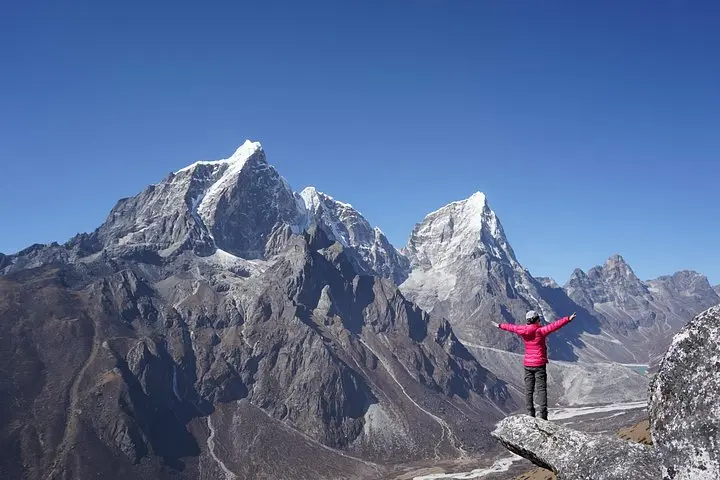
You step off the short Lukla runway and the mountains take shape—walls of ice and rock rising from prayer-flagged ridgelines, air thin and clear enough to make each breath a measured act.
Verified experiences and guided adventures in the surrounding area.
Operated by Incredible Treks Pvt. Ltd. · Lukla, Province No. 1
You step off the short Lukla runway and the mountains take shape—walls of ice and rock rising from prayer-flagged ridgelines, air thin and clear enough to make each breath a measured act.
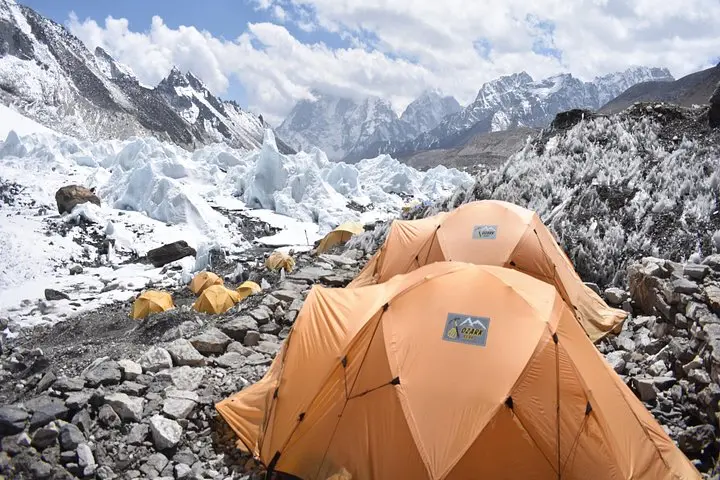
The trail threads through Sherpa villages, yak pastures and rhododendron forests before opening onto the high, glacial amphitheater of the Khumbu. Geologically the route follows young Himalayan uplift: metamorphic rock, hanging glaciers and the blue-white tongue of the Khumbu Glacier that keeps the valley moving. Culturally the walk is a study in Sherpa life—monasteries like Tengboche punctuate the slope, mani stones mark passes and teahouse kitchens trade stories of Edmund Hillary and Tenzing Norgay’s routes.
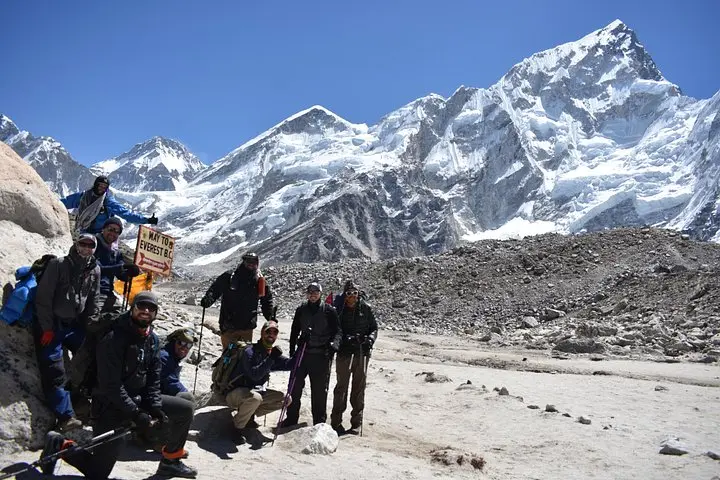
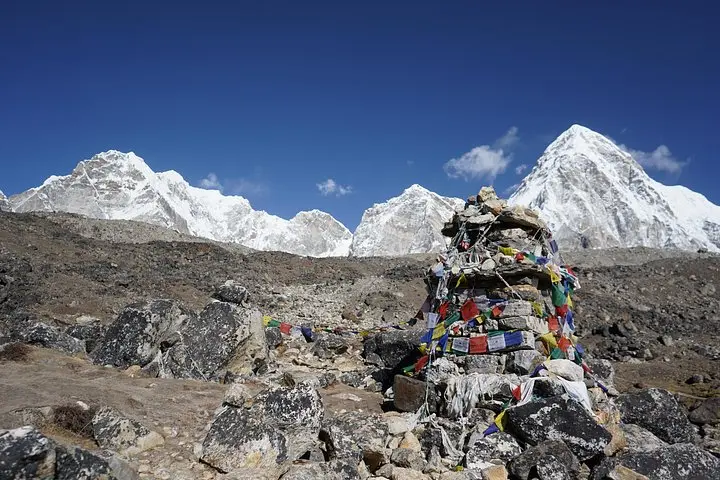
Expect long days on rocky steps and packed-earth riverside trails, with 800–1,200 m daily elevation changes during acclimatization stages. Key viewpoints are Kala Patthar for sunrise over Everest and the memorials above Gorak Shep that remind trekkers of the mountain’s costs. The trail operates inside Sagarmatha National Park—permits and TIMS checks are routine.
Practical guidance: build a conservative itinerary that includes rest days in Namche Bazaar, drink constantly to aid acclimatization, and use a reliable sleeping bag rated to –10°C or colder at night. Lukla flights are thrilling but weather-dependent; allow buffer days. Footwear should be broken-in, rigid enough for scree and glacier moraine. Tea-house accommodation is basic but warm; carry altitude-appropriate medication and a small water filter to reduce single-use plastics.
This is a high-altitude trek that rewards steady pacing, respect for local culture and preparation—reach Kala Patthar at dawn and the world’s highest peaks will feel earned, not given.
Yes—Sagarmatha National Park permit and TIMS card are required; guides or agencies usually arrange these prior to or at the trailhead.
Spring (March–May) and autumn (September–November) offer the most stable weather and clear mountain views; monsoon brings clouds and winter brings cold and limited services.
Acute mountain sickness is a real risk—follow a slow climb profile, hydrate, recognize symptoms early and descend if serious signs appear; carrying acetazolamide is common after consulting a physician.
Yes—basic teahouse accommodation with simple meals is available along the route, though services thin above Gorak Shep so reserve key nights during peak season.
Incredible Treks Pvt. Ltd. operates guided outdoor trips and adventures with an emphasis on safety, stewardship, and memorable experiences.
You step off the short Lukla runway and the mountains take shape—walls of ice and rock rising from prayer-flagged ridgelines, air thin and clear enough to make each breath a measured act.
You step off the short Lukla runway and the mountains take shape—walls of ice and rock rising from prayer-flagged ridgelines, air thin and clear enough to make each breath a measured act.
The trail threads through Sherpa villages, yak pastures and rhododendron forests before opening onto the high, glacial amphitheater of the Khumbu. Geologically the route follows young Himalayan uplift: metamorphic rock, hanging glaciers and the blue-white tongue of the Khumbu Glacier that keeps the valley moving. Culturally the walk is a study in Sherpa life—monasteries like Tengboche punctuate the slope, mani stones mark passes and teahouse kitchens trade stories of Edmund Hillary and Tenzing Norgay’s routes.
Expect long days on rocky steps and packed-earth riverside trails, with 800–1,200 m daily elevation changes during acclimatization stages. Key viewpoints are Kala Patthar for sunrise over Everest and the memorials above Gorak Shep that remind trekkers of the mountain’s costs. The trail operates inside Sagarmatha National Park—permits and TIMS checks are routine.
Practical guidance: build a conservative itinerary that includes rest days in Namche Bazaar, drink constantly to aid acclimatization, and use a reliable sleeping bag rated to –10°C or colder at night. Lukla flights are thrilling but weather-dependent; allow buffer days. Footwear should be broken-in, rigid enough for scree and glacier moraine. Tea-house accommodation is basic but warm; carry altitude-appropriate medication and a small water filter to reduce single-use plastics.
This is a high-altitude trek that rewards steady pacing, respect for local culture and preparation—reach Kala Patthar at dawn and the world’s highest peaks will feel earned, not given.