THE ADVENTURE COLLECTIVE® · Independent discovery and booking for outdoor travel

Fly into Lukla and walk into high Himalayan life on a 12-day trek to Everest Base Camp and Kala Patthar. Expect long altitude days, Sherpa culture, and glacier-edge views — prepare for variable weather and rigorous acclimatization.
Fly into Lukla and walk into high Himalayan life on a 12-day trek to Everest Base Camp and Kala Patthar. Expect long altitude days, Sherpa culture, and glacier-edge views — prepare for variable weather and rigorous acclimatization.
A wind-raw morning on the tarmac in Lukla, the tiny plane lifts over jagged ridgelines and deposits you into a world built for hikers: stone-teahouses, prayer flags snapping, and a skyline ruled by Everest. The trail moves like a slow breath — steady ups through rhododendron forests, then thin-air steps past yak caravans and blue-ice pinnacles.
Verified experiences and guided adventures in the surrounding area.
Operated by Breeze Adventure Pvt Ltd · Lukla, Province No. 1
A wind-raw morning on the tarmac in Lukla, the tiny plane lifts over jagged ridgelines and deposits you into a world built for hikers: stone-teahouses, prayer flags snapping, and a skyline ruled by Everest. The trail moves like a slow breath — steady ups through rhododendron forests, then thin-air steps past yak caravans and blue-ice pinnacles.
This route follows routes first popularized by Sherpa guides and foreign climbers after 1953; it runs through Sagarmatha National Park, a UNESCO site that protects high-altitude ecology and centuries of Himalayan culture. Geology here is dramatic: uplifted metamorphic rock, ancient glaciers carving moraines, and the Khumbu Icefall — a constantly shifting river of ice that underpins the mountain’s western approach.
Culturally, the trek threads through Sherpa villages and monasteries such as Tengboche, where mani walls and butter lamps mark daily life. Local hospitality centers on teahouse stays and simple, hearty meals designed for cold, high-exertion days.
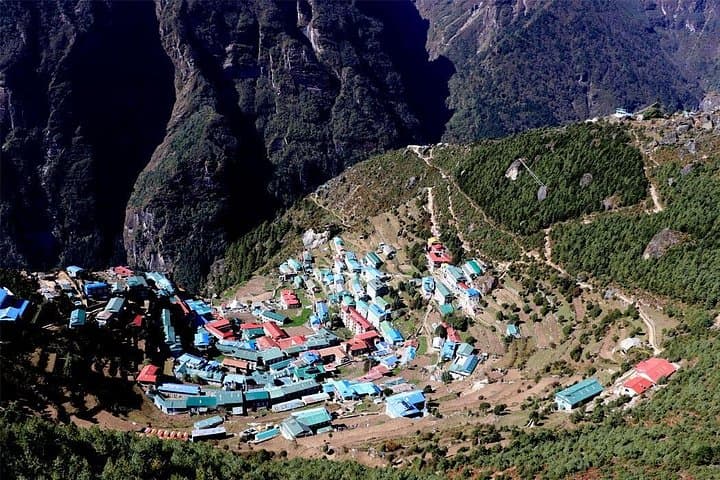
Practical guidance: expect long days at altitude — plan acclimatization days in Namche Bazaar and Dingboche, schedule your Lukla flights early, and budget for variable weather. Hydrate aggressively; carry water treatment and high-calorie snacks. Footwear with firm ankle support and good crampon-compatible boots are recommended for the terminal moraine and icy sections.
Timing your summit of Kala Patthar for sunrise rewards you with the clearest, highest-angle view of Everest. Respect local conservation rules: pack out non-biodegradables and minimize firewood use in villages. With preparation and respect, this trek delivers a technically moderate but physically demanding high-altitude experience that stays with you long after descent.
Moderate multi-day hiking experience is recommended; technical climbing skills are not required but you should be comfortable walking 6–8 hours on uneven trails at altitude.
Pre-monsoon spring (March–May) and post-monsoon autumn (late Sept–Nov) offer the most stable weather and clear mountain views.
Yes — you need Sagarmatha National Park entry and a Khumbu region permit; guides typically manage these logistics for you.
Management includes gradual ascent with acclimatization days, staying hydrated, avoiding alcohol, and descent if symptoms worsen; guides carry basic first aid and oxygen if needed.
Breeze Adventure Pvt Ltd operates guided outdoor trips and adventures with an emphasis on safety, stewardship, and memorable experiences.
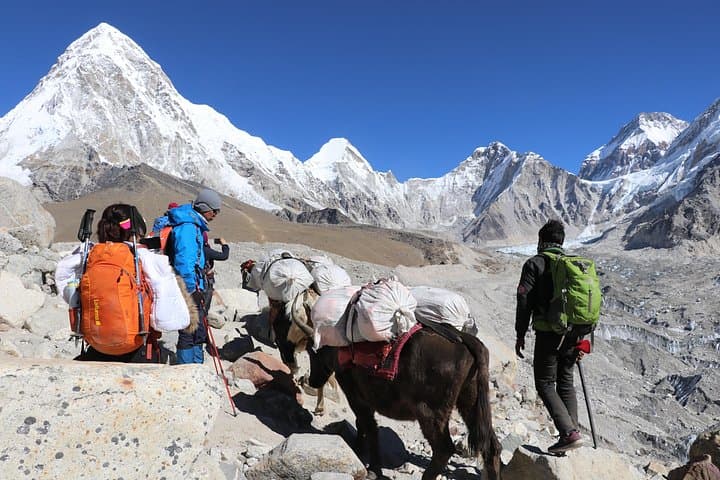

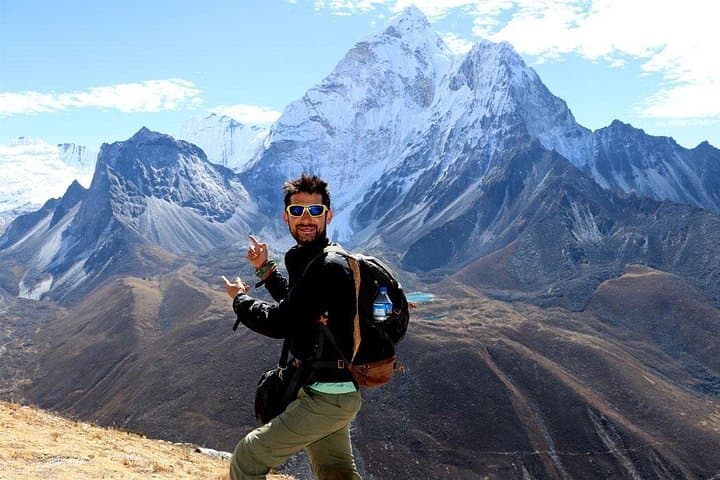
A wind-raw morning on the tarmac in Lukla, the tiny plane lifts over jagged ridgelines and deposits you into a world built for hikers: stone-teahouses, prayer flags snapping, and a skyline ruled by Everest. The trail moves like a slow breath — steady ups through rhododendron forests, then thin-air steps past yak caravans and blue-ice pinnacles.
A wind-raw morning on the tarmac in Lukla, the tiny plane lifts over jagged ridgelines and deposits you into a world built for hikers: stone-teahouses, prayer flags snapping, and a skyline ruled by Everest. The trail moves like a slow breath — steady ups through rhododendron forests, then thin-air steps past yak caravans and blue-ice pinnacles.
This route follows routes first popularized by Sherpa guides and foreign climbers after 1953; it runs through Sagarmatha National Park, a UNESCO site that protects high-altitude ecology and centuries of Himalayan culture. Geology here is dramatic: uplifted metamorphic rock, ancient glaciers carving moraines, and the Khumbu Icefall — a constantly shifting river of ice that underpins the mountain’s western approach.
Culturally, the trek threads through Sherpa villages and monasteries such as Tengboche, where mani walls and butter lamps mark daily life. Local hospitality centers on teahouse stays and simple, hearty meals designed for cold, high-exertion days.
Practical guidance: expect long days at altitude — plan acclimatization days in Namche Bazaar and Dingboche, schedule your Lukla flights early, and budget for variable weather. Hydrate aggressively; carry water treatment and high-calorie snacks. Footwear with firm ankle support and good crampon-compatible boots are recommended for the terminal moraine and icy sections.
Timing your summit of Kala Patthar for sunrise rewards you with the clearest, highest-angle view of Everest. Respect local conservation rules: pack out non-biodegradables and minimize firewood use in villages. With preparation and respect, this trek delivers a technically moderate but physically demanding high-altitude experience that stays with you long after descent.