THE ADVENTURE COLLECTIVE® · Independent discovery and booking for outdoor travel

Follow the classic Khumbu route from Lukla to Everest Base Camp over 11–12 days, crossing high suspension bridges, spiritual monasteries and the Khumbu Glacier. This guide outlines what to expect—altitude, terrain, culture and practical tips to prepare.
Follow the classic Khumbu route from Lukla to Everest Base Camp over 11–12 days, crossing high suspension bridges, spiritual monasteries and the Khumbu Glacier. This guide outlines what to expect—altitude, terrain, culture and practical tips to prepare.
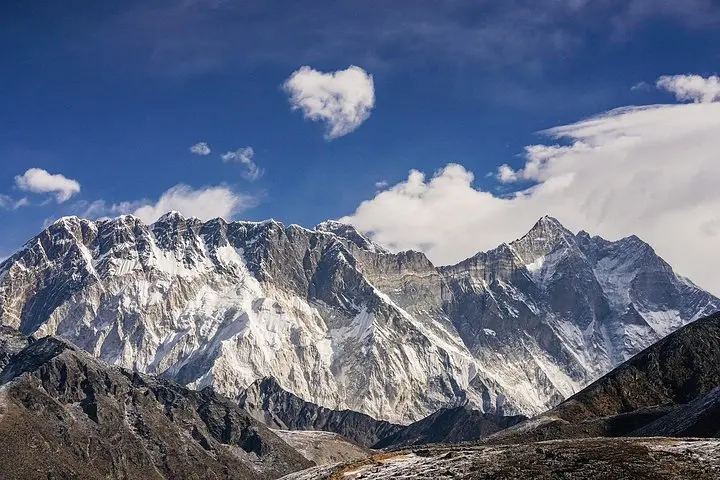
Dawn in Lukla feels like a held breath—small planes slide into a high-elevation runway and the trail drops into rhododendron forests that open to raw, glacial views. The path follows braided rivers that dare you across suspension bridges, climbs switchbacks dusted with prayer flags, and pushes you higher until the glacier moraine of the Khumbu hunkers below Everest Base Camp.
Verified experiences and guided adventures in the surrounding area.
Operated by Trek Venture Nepal Pvt.Ltd · Namche Bazaar, Koshi Province
Dawn in Lukla feels like a held breath—small planes slide into a high-elevation runway and the trail drops into rhododendron forests that open to raw, glacial views. The path follows braided rivers that dare you across suspension bridges, climbs switchbacks dusted with prayer flags, and pushes you higher until the glacier moraine of the Khumbu hunkers below Everest Base Camp.
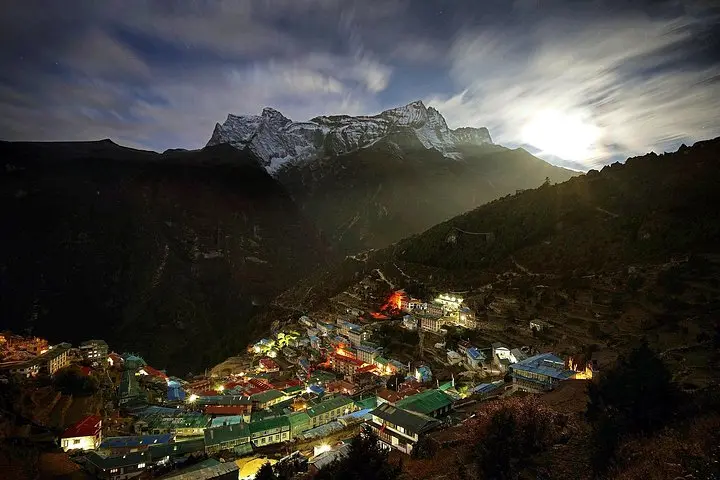
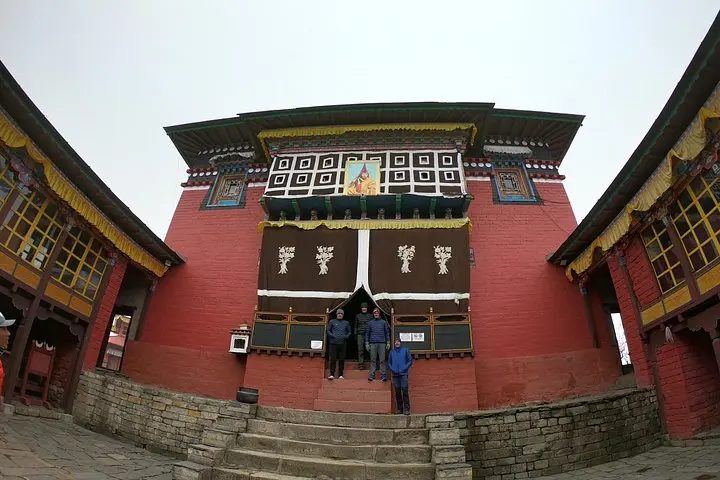
This route follows the classic Khumbu corridor through villages with deep Sherpa roots. Namche Bazaar developed as the region’s trading hub; Tengboche Monastery anchors the valley’s spiritual life. Geologically, the trek traces uplifted metamorphic rock and the living edge of the Khumbu Glacier—ice, moraine, and wind-sculpted moraine hummocks are constant companions. Culturally, expect Sherpa songs, tea-house hospitality, and local tales that explain peaks like Khumbila as sacred.
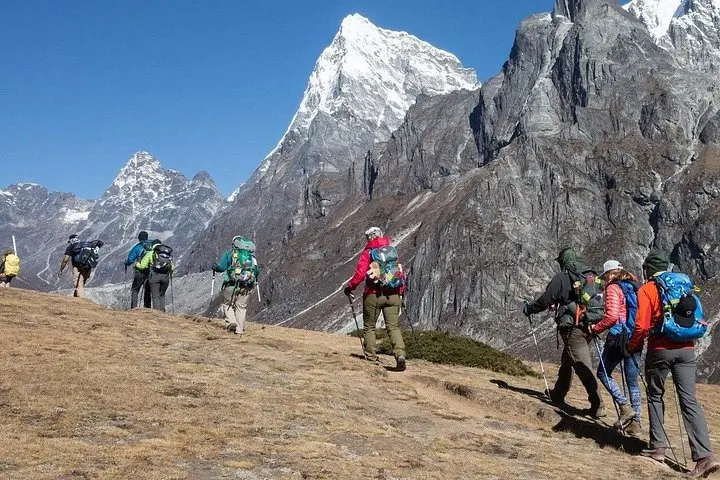
Practically: the itinerary is 11–12 days, with planned acclimatization at Namche and Dingboche. Highest stops are Gorak Shep (~5,164 m), Everest Base Camp (~5,364 m) and Kala Patthar viewpoint (~5,545 m). Terrain alternates packed dirt, stone steps, boulder fields and glacier moraine; expect steep ascents and exposed ridgelines.
Plan for altitude risk—pace yourself, hydrate, and prioritize sleep. Carry cash beyond Namche (ATMs are limited), warm layers for -10°C nights above 4,000 m, and sun protection for high-UV days. Flights to and from Lukla are weather-dependent; build flexibility into your schedule. Guides from the Khumbu region add local navigation and cultural context, and a proper packing list and respect for acclimatization are the difference between a summit-view day and an evacuation flight.
Yes — you need a Sagarmatha National Park permit and a TIMS card; guides typically arrange these before the trek.
Fall (Sept–Nov) and spring (Mar–May) offer the clearest weather and stable conditions; monsoon summer is wet and winter is very cold with limited services.
Everest Base Camp sits around 5,364 m; Kala Patthar, the common viewpoint for Everest, is roughly 5,545 m.
Fit beginners can complete it with proper acclimatization, a qualified guide, and conservative pacing; prior multi-day hiking experience is recommended.
Trek Venture Nepal Pvt.Ltd operates guided outdoor trips and adventures with an emphasis on safety, stewardship, and memorable experiences.
Dawn in Lukla feels like a held breath—small planes slide into a high-elevation runway and the trail drops into rhododendron forests that open to raw, glacial views. The path follows braided rivers that dare you across suspension bridges, climbs switchbacks dusted with prayer flags, and pushes you higher until the glacier moraine of the Khumbu hunkers below Everest Base Camp.
Dawn in Lukla feels like a held breath—small planes slide into a high-elevation runway and the trail drops into rhododendron forests that open to raw, glacial views. The path follows braided rivers that dare you across suspension bridges, climbs switchbacks dusted with prayer flags, and pushes you higher until the glacier moraine of the Khumbu hunkers below Everest Base Camp.
This route follows the classic Khumbu corridor through villages with deep Sherpa roots. Namche Bazaar developed as the region’s trading hub; Tengboche Monastery anchors the valley’s spiritual life. Geologically, the trek traces uplifted metamorphic rock and the living edge of the Khumbu Glacier—ice, moraine, and wind-sculpted moraine hummocks are constant companions. Culturally, expect Sherpa songs, tea-house hospitality, and local tales that explain peaks like Khumbila as sacred.
Practically: the itinerary is 11–12 days, with planned acclimatization at Namche and Dingboche. Highest stops are Gorak Shep (~5,164 m), Everest Base Camp (~5,364 m) and Kala Patthar viewpoint (~5,545 m). Terrain alternates packed dirt, stone steps, boulder fields and glacier moraine; expect steep ascents and exposed ridgelines.
Plan for altitude risk—pace yourself, hydrate, and prioritize sleep. Carry cash beyond Namche (ATMs are limited), warm layers for -10°C nights above 4,000 m, and sun protection for high-UV days. Flights to and from Lukla are weather-dependent; build flexibility into your schedule. Guides from the Khumbu region add local navigation and cultural context, and a proper packing list and respect for acclimatization are the difference between a summit-view day and an evacuation flight.