THE ADVENTURE COLLECTIVE® · Independent discovery and booking for outdoor travel

Fly into Lukla, walk past rhododendron forests and suspension bridges, and climb toward the glacial amphitheatre beneath Everest. This 10–14 day trek balances cultural stops, staged acclimatization, and high-altitude exposure en route to Everest Base Camp and Kala Patthar.
Fly into Lukla, walk past rhododendron forests and suspension bridges, and climb toward the glacial amphitheatre beneath Everest. This 10–14 day trek balances cultural stops, staged acclimatization, and high-altitude exposure en route to Everest Base Camp and Kala Patthar.
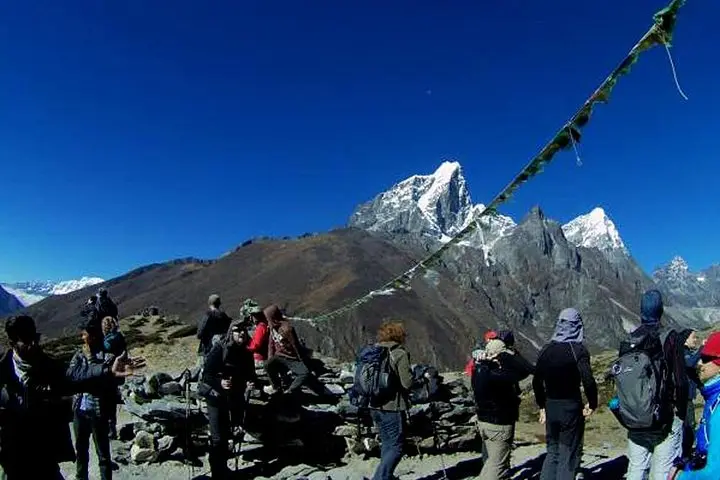
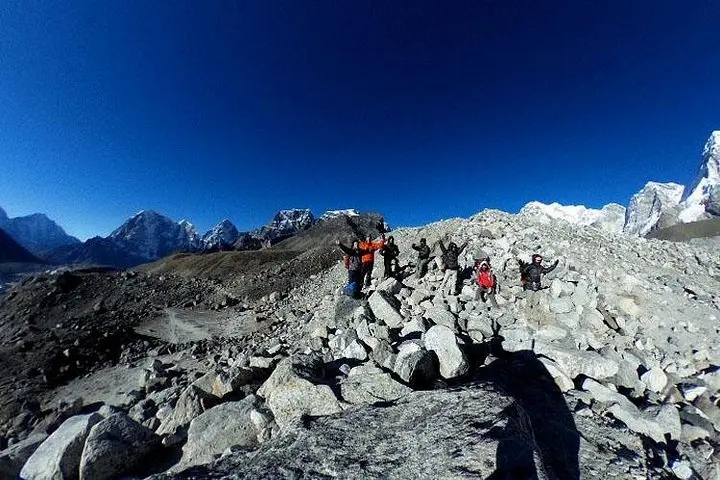
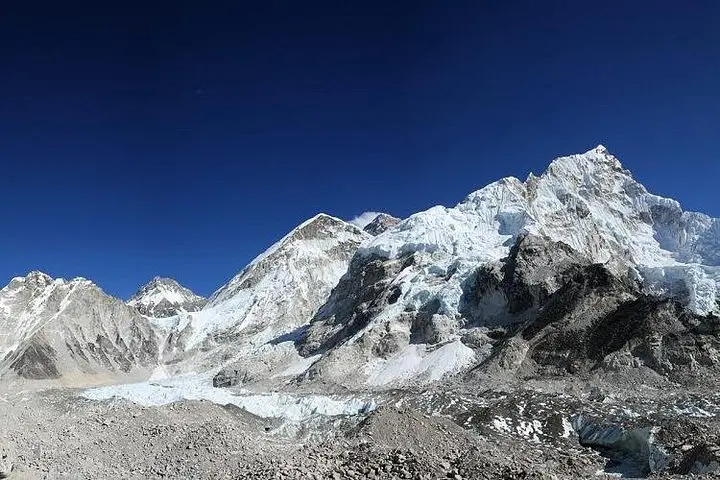
The trail opens with the thin roar of propellers in Lukla and the sharp, cold air that punches your lungs the moment you step out of the plane. From there the route threads rhododendron forests and suspension bridges across the Dudh Koshi, climbing in staged daily gains toward the grey, wind-scoured amphitheatre of Gorakshep and the ice-scarred moraine below Everest. Snow and rock command the skyline; the Khumbu Glacier pushes forward like an ancient river of stone.
Verified experiences and guided adventures in the surrounding area.
Operated by Outfitter Nepal · Namche Bazaar, Solukhumbu District, Province No. 1
The trail opens with the thin roar of propellers in Lukla and the sharp, cold air that punches your lungs the moment you step out of the plane. From there the route threads rhododendron forests and suspension bridges across the Dudh Koshi, climbing in staged daily gains toward the grey, wind-scoured amphitheatre of Gorakshep and the ice-scarred moraine below Everest. Snow and rock command the skyline; the Khumbu Glacier pushes forward like an ancient river of stone.
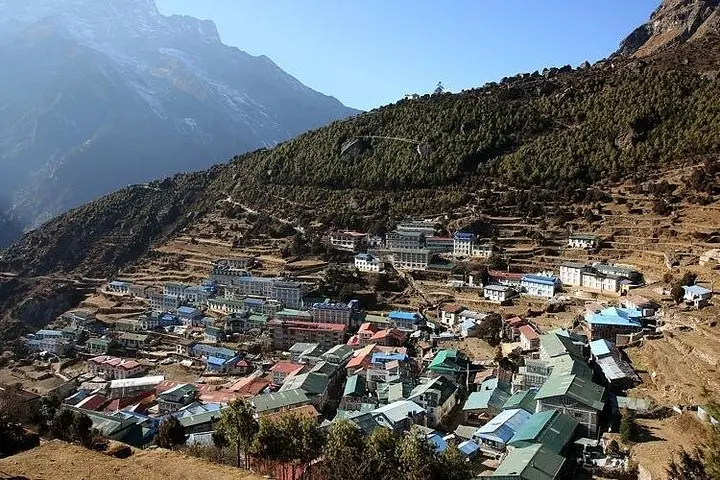
The trek follows routes used by Sherpa communities for generations and passes key cultural sites—Namche Bazaar, the spiritual high point at Tengboche Monastery—places that grew alongside high-altitude mountaineering since the early 20th century. Geologically, you walk on young, uplifted Himalayan strata and glacial deposits; nearby peaks expose dramatic faulted rock and lifted schists that tell the story of continental collision.
Expect 4–7 hour walking days, repeated acclimatization rests and a cumulative ascent from ~2,900m (Lukla) to 5,364m (Everest Base Camp) with a final viewpoint at Kala Patthar (~5,545m). Trails range from packed dirt and stone staircases to loose moraine and wind-blasted flats; footwork and breathing matter more than technical rope work.
Practical edge: hydrate early and often, pace uphill with walk-rest cycles, and carry layers for sudden wind chill. Use trekking poles for stability on long descents and allow at least two acclimatization days (Namche and Dingboche). Lodges provide meals and basic hot water; bring a warm sleeping bag rated to -10°C or colder. The journey is physically demanding but non-technical—planning and acclimatization define success.
No technical climbing skills are required; the route is a high-altitude trek but involves no glacier travel with ropes—fitness and acclimatization are the priorities.
Typical itineraries run 10–14 days from Lukla return, allowing for at least two acclimatization days (Namche, Dingboche) to reduce altitude risk.
Teahouses provide boiled or filtered water for purchase; use a purifier or iodine tablets if refilling from streams to be safe.
Headache, nausea, dizziness and reduced exercise tolerance are early signs of acute mountain sickness—descend and seek medical care if symptoms worsen or breathing becomes difficult.
Outfitter Nepal operates guided outdoor trips and adventures with an emphasis on safety, stewardship, and memorable experiences.
The trail opens with the thin roar of propellers in Lukla and the sharp, cold air that punches your lungs the moment you step out of the plane. From there the route threads rhododendron forests and suspension bridges across the Dudh Koshi, climbing in staged daily gains toward the grey, wind-scoured amphitheatre of Gorakshep and the ice-scarred moraine below Everest. Snow and rock command the skyline; the Khumbu Glacier pushes forward like an ancient river of stone.
The trail opens with the thin roar of propellers in Lukla and the sharp, cold air that punches your lungs the moment you step out of the plane. From there the route threads rhododendron forests and suspension bridges across the Dudh Koshi, climbing in staged daily gains toward the grey, wind-scoured amphitheatre of Gorakshep and the ice-scarred moraine below Everest. Snow and rock command the skyline; the Khumbu Glacier pushes forward like an ancient river of stone.
The trek follows routes used by Sherpa communities for generations and passes key cultural sites—Namche Bazaar, the spiritual high point at Tengboche Monastery—places that grew alongside high-altitude mountaineering since the early 20th century. Geologically, you walk on young, uplifted Himalayan strata and glacial deposits; nearby peaks expose dramatic faulted rock and lifted schists that tell the story of continental collision.
Expect 4–7 hour walking days, repeated acclimatization rests and a cumulative ascent from ~2,900m (Lukla) to 5,364m (Everest Base Camp) with a final viewpoint at Kala Patthar (~5,545m). Trails range from packed dirt and stone staircases to loose moraine and wind-blasted flats; footwork and breathing matter more than technical rope work.
Practical edge: hydrate early and often, pace uphill with walk-rest cycles, and carry layers for sudden wind chill. Use trekking poles for stability on long descents and allow at least two acclimatization days (Namche and Dingboche). Lodges provide meals and basic hot water; bring a warm sleeping bag rated to -10°C or colder. The journey is physically demanding but non-technical—planning and acclimatization define success.