THE ADVENTURE COLLECTIVE® · Independent discovery and booking for outdoor travel

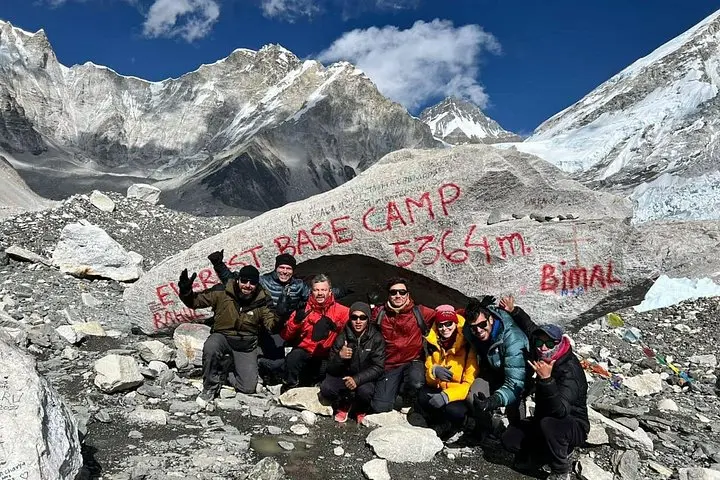
A focused, Sherpa-guided 12-day trek through Sagarmatha National Park to Everest Base Camp and Kalapathar. Expect long days, high passes, tea-house nights, and unforgettable sunrise views—prepare for altitude and variable mountain weather.
A focused, Sherpa-guided 12-day trek through Sagarmatha National Park to Everest Base Camp and Kalapathar. Expect long days, high passes, tea-house nights, and unforgettable sunrise views—prepare for altitude and variable mountain weather.
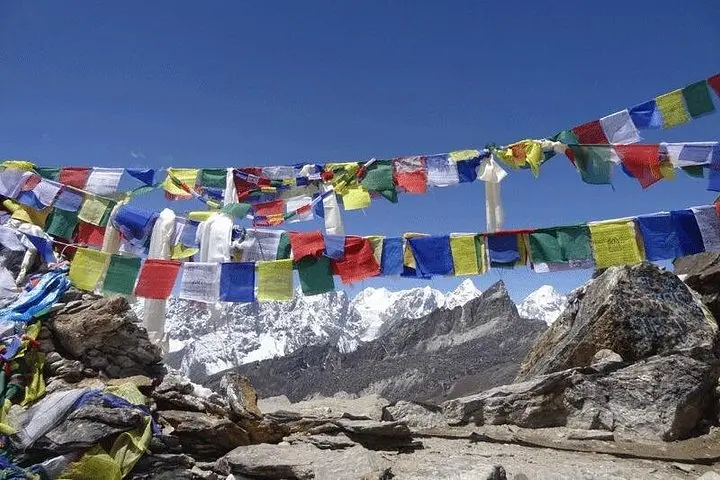
You lift off from Kathmandu and the valley drops away—terraced fields replaced by razor-edged ridges and prayer flags strung like punctuation across the sky. A short, dramatic flight into Lukla sets the tone: thin air, bright light, and a trail that climbs toward the roof of the world. Each day the mountains reassert themselves—ancient granite and compressed snow that push the trail forward and demand your attention.
Verified experiences and guided adventures in the surrounding area.
Operated by Nepal Mother House Treks · Kathmandu, Bagmati Province
You lift off from Kathmandu and the valley drops away—terraced fields replaced by razor-edged ridges and prayer flags strung like punctuation across the sky. A short, dramatic flight into Lukla sets the tone: thin air, bright light, and a trail that climbs toward the roof of the world. Each day the mountains reassert themselves—ancient granite and compressed snow that push the trail forward and demand your attention.
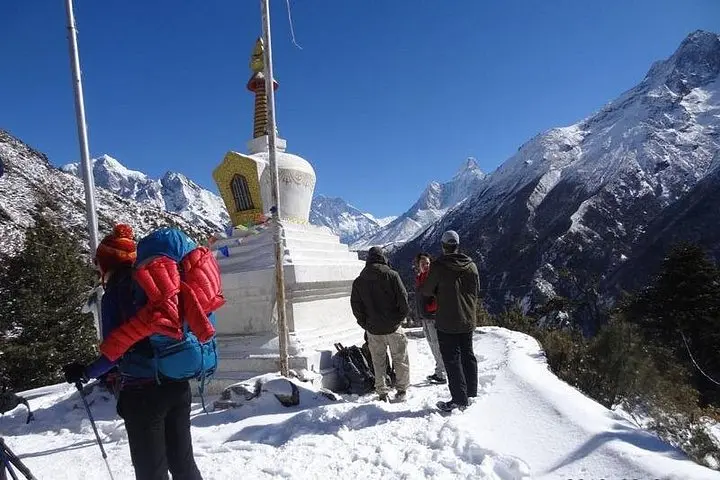
This 12-day itinerary moves through Sagarmatha National Park, a UNESCO-protected landscape where the Khumbu Glacier carves its slow path and Sherpa villages like Namche and Tengboche offer acclimatization and culture. The Sherpa people have adapted to the altitude for generations; mani walls, gompas, and tea houses are part of daily life on this route. Geologically, you’re walking across uplifted Tethyan beds and glacial moraine—features that create the dramatic vistas from Kalapathar and Gorak Shep.
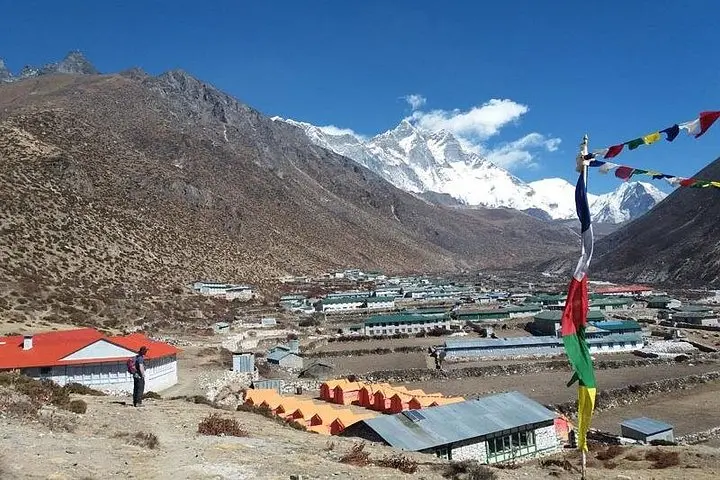
Practically: expect 10–6 hours of trekking on most days, highs to 5,550–5,615m at viewpoints, and a mix of stone steps, scree, and glacier-side moraines. Acclimatization days in Namche and Dingboche are built into the schedule; use them. Hydrate, pace uphill, and watch for early signs of altitude illness. Tea houses provide basic twin-bed lodging and hot meals; carry a reliable down jacket, layers, a sleeping liner, and sturdy boots. Sunrise on Kalapathar rewards the wait—Mount Everest and the Khumbu Icefall light up, daring you to be present and prepared.
No formal experience required, but previous multi-day trekking and good fitness help; itinerary includes acclimatization days to reduce sickness risk.
Basic twin-bed rooms with shared toilets; hot meals (dal bhat, soups) are available—expect simple comforts but reliable shelter and food.
Typically about 10 kg checked plus 5 kg hand luggage—pack a small main bag and a light daypack for trekking.
Mild AMS can occur; guides monitor symptoms, enforce rest or descent if necessary, and itineraries include acclimatization; serious cases require descent and medical attention.
Nepal Mother House Treks operates guided outdoor trips and adventures with an emphasis on safety, stewardship, and memorable experiences.
You lift off from Kathmandu and the valley drops away—terraced fields replaced by razor-edged ridges and prayer flags strung like punctuation across the sky. A short, dramatic flight into Lukla sets the tone: thin air, bright light, and a trail that climbs toward the roof of the world. Each day the mountains reassert themselves—ancient granite and compressed snow that push the trail forward and demand your attention.
You lift off from Kathmandu and the valley drops away—terraced fields replaced by razor-edged ridges and prayer flags strung like punctuation across the sky. A short, dramatic flight into Lukla sets the tone: thin air, bright light, and a trail that climbs toward the roof of the world. Each day the mountains reassert themselves—ancient granite and compressed snow that push the trail forward and demand your attention.
This 12-day itinerary moves through Sagarmatha National Park, a UNESCO-protected landscape where the Khumbu Glacier carves its slow path and Sherpa villages like Namche and Tengboche offer acclimatization and culture. The Sherpa people have adapted to the altitude for generations; mani walls, gompas, and tea houses are part of daily life on this route. Geologically, you’re walking across uplifted Tethyan beds and glacial moraine—features that create the dramatic vistas from Kalapathar and Gorak Shep.
Practically: expect 10–6 hours of trekking on most days, highs to 5,550–5,615m at viewpoints, and a mix of stone steps, scree, and glacier-side moraines. Acclimatization days in Namche and Dingboche are built into the schedule; use them. Hydrate, pace uphill, and watch for early signs of altitude illness. Tea houses provide basic twin-bed lodging and hot meals; carry a reliable down jacket, layers, a sleeping liner, and sturdy boots. Sunrise on Kalapathar rewards the wait—Mount Everest and the Khumbu Icefall light up, daring you to be present and prepared.