THE ADVENTURE COLLECTIVE® · Independent discovery and booking for outdoor travel

Follow the classic Lukla-to-Everest route over 13 days through Sherpa villages, glacial moraine and high-altitude vistas. This practical guide outlines what to expect, how to prepare, and local insights for a safe, rewarding ascent to Kala Patthar and Everest Base Camp.
Follow the classic Lukla-to-Everest route over 13 days through Sherpa villages, glacial moraine and high-altitude vistas. This practical guide outlines what to expect, how to prepare, and local insights for a safe, rewarding ascent to Kala Patthar and Everest Base Camp.
You step off the Lukla plane into a thin, crisp air that seems to push at your lungs and invite you forward. The trail immediately threads river valleys and wooden suspension bridges, climbs through rhododendron and pine, and opens into Sherpa villages where prayer flags snap like small warnings in the wind.
Verified experiences and guided adventures in the surrounding area.
Operated by Trek Around Himalayas Pvt. Ltd. · Lukla, Province No. 1
You step off the Lukla plane into a thin, crisp air that seems to push at your lungs and invite you forward. The trail immediately threads river valleys and wooden suspension bridges, climbs through rhododendron and pine, and opens into Sherpa villages where prayer flags snap like small warnings in the wind.
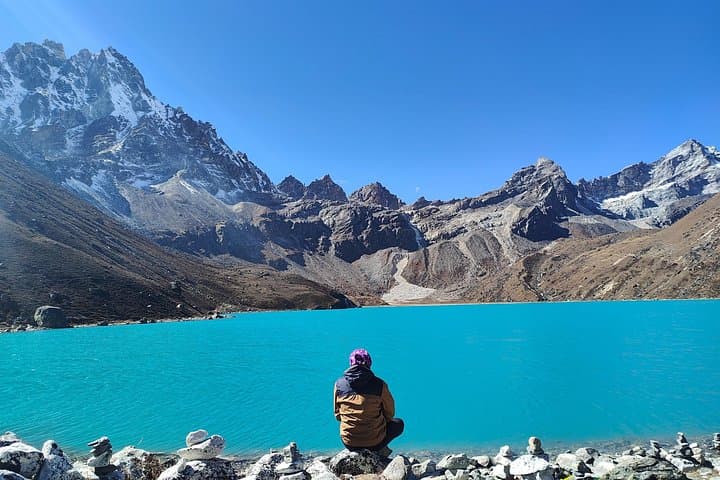
This 13-day itinerary follows the classic route through Sagarmatha National Park, a UNESCO-protected landscape shaped by glacial moraine and uplifted Himalayan bedrock. The Sherpa culture here blends Tibetan Buddhism and mountaineering history; Tengboche monastery is both a spiritual anchor and a photo stop with sweeping views of Ama Dablam. Geologically, you’ll see the Khumbu Glacier’s moraines and rock-strewn moraine fields that mark recent glacial movement.
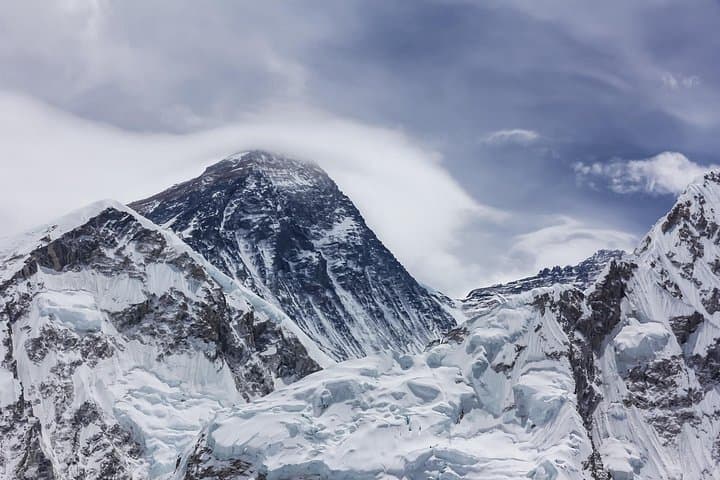
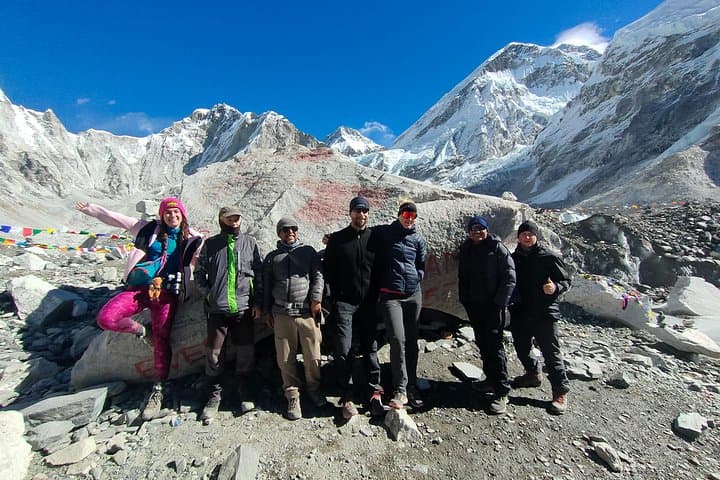
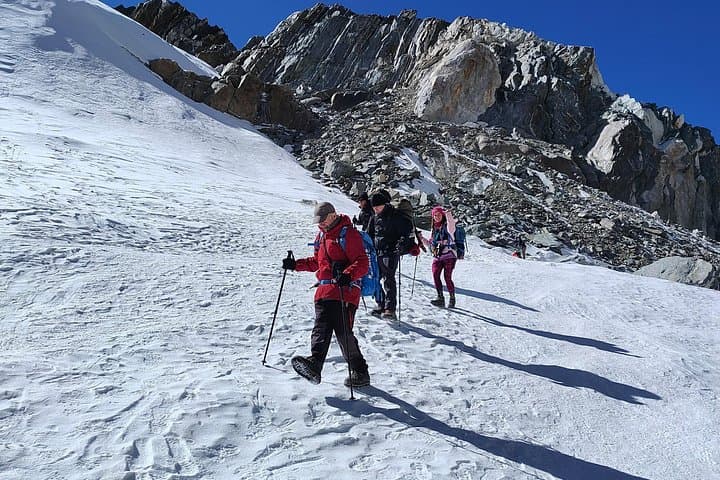
Expect long days on rough, rocky trails, altitude swings that demand respect, and tea houses that are basic but warm. The high point is Kala Patthar (about 5,500 m) for sunrise views of Everest, Lhotse and Nuptse; Everest Base Camp itself sits on a glacial moraine where climbing expeditions stage. Guides will brief you on acclimatization and local customs; this is as much a cultural trek as a physical ascent.
Practical notes: pack layers for temperature swings, carry water and a small first-aid kit, and move slowly on ascent days to reduce altitude risk. Flights to/from Lukla are weather-dependent—plan flexibility. With steady fitness and proper acclimatization, this route rewards effort with some of the planet’s most immediate mountain views and a chance to walk through living high-altitude communities.
Yes—Sagarmatha National Park permit and TIMS card are required; tour operators usually handle them for you.
Spring (March–May) and autumn (September–November) offer the most stable weather, clearer skies and flowering rhododendrons in spring.
You’ll reach around 5,500 m at Kala Patthar and 5,364 m at Gorakshep; altitude sickness is a real risk—proper acclimatization and recognizing symptoms are essential.
Tea houses provide basic private rooms and meals—comfort varies but they offer hot food, simple beds and a warm dining area for evenings.
Trek Around Himalayas Pvt. Ltd. operates guided outdoor trips and adventures with an emphasis on safety, stewardship, and memorable experiences.
You step off the Lukla plane into a thin, crisp air that seems to push at your lungs and invite you forward. The trail immediately threads river valleys and wooden suspension bridges, climbs through rhododendron and pine, and opens into Sherpa villages where prayer flags snap like small warnings in the wind.
You step off the Lukla plane into a thin, crisp air that seems to push at your lungs and invite you forward. The trail immediately threads river valleys and wooden suspension bridges, climbs through rhododendron and pine, and opens into Sherpa villages where prayer flags snap like small warnings in the wind.
This 13-day itinerary follows the classic route through Sagarmatha National Park, a UNESCO-protected landscape shaped by glacial moraine and uplifted Himalayan bedrock. The Sherpa culture here blends Tibetan Buddhism and mountaineering history; Tengboche monastery is both a spiritual anchor and a photo stop with sweeping views of Ama Dablam. Geologically, you’ll see the Khumbu Glacier’s moraines and rock-strewn moraine fields that mark recent glacial movement.
Expect long days on rough, rocky trails, altitude swings that demand respect, and tea houses that are basic but warm. The high point is Kala Patthar (about 5,500 m) for sunrise views of Everest, Lhotse and Nuptse; Everest Base Camp itself sits on a glacial moraine where climbing expeditions stage. Guides will brief you on acclimatization and local customs; this is as much a cultural trek as a physical ascent.
Practical notes: pack layers for temperature swings, carry water and a small first-aid kit, and move slowly on ascent days to reduce altitude risk. Flights to/from Lukla are weather-dependent—plan flexibility. With steady fitness and proper acclimatization, this route rewards effort with some of the planet’s most immediate mountain views and a chance to walk through living high-altitude communities.