THE ADVENTURE COLLECTIVE® · Independent discovery and booking for outdoor travel

Fly into Lukla and follow the classic 13-day route through Namche, Tengboche, and Gorakshep to reach Everest Base Camp and Kala Patthar. This guide covers route character, cultural context, and practical planning tips for a successful high-altitude trek.
Fly into Lukla and follow the classic 13-day route through Namche, Tengboche, and Gorakshep to reach Everest Base Camp and Kala Patthar. This guide covers route character, cultural context, and practical planning tips for a successful high-altitude trek.
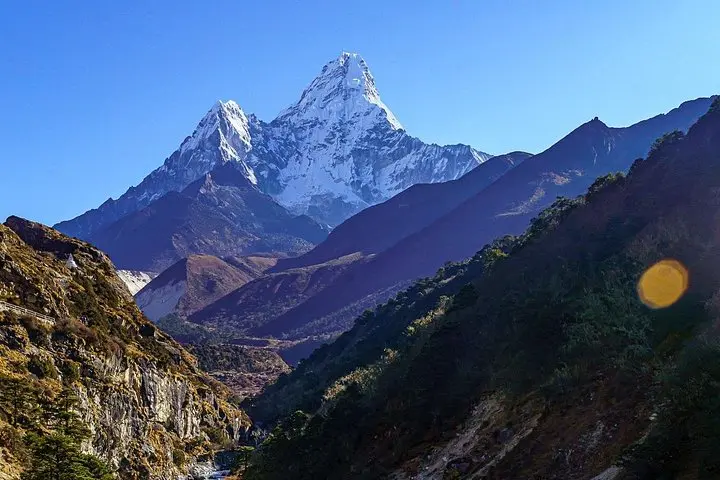
The trail opens before dawn: a small plane drops you into Lukla’s tarmac and the Khumbu valley unfolds—steep terraces, prayer flags snagging the wind, and a white spine of peaks that seem to rearrange with every step.
Verified experiences and guided adventures in the surrounding area.
Operated by Trekking Planner Nepal · Lukla, Province No. 1
The trail opens before dawn: a small plane drops you into Lukla’s tarmac and the Khumbu valley unfolds—steep terraces, prayer flags snagging the wind, and a white spine of peaks that seem to rearrange with every step.
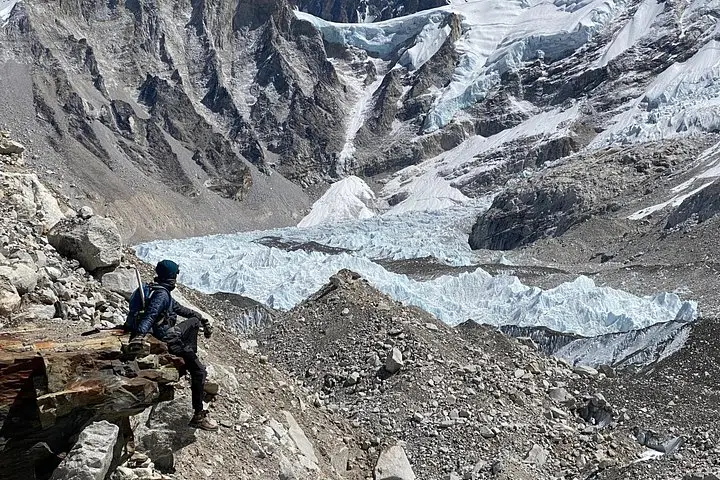
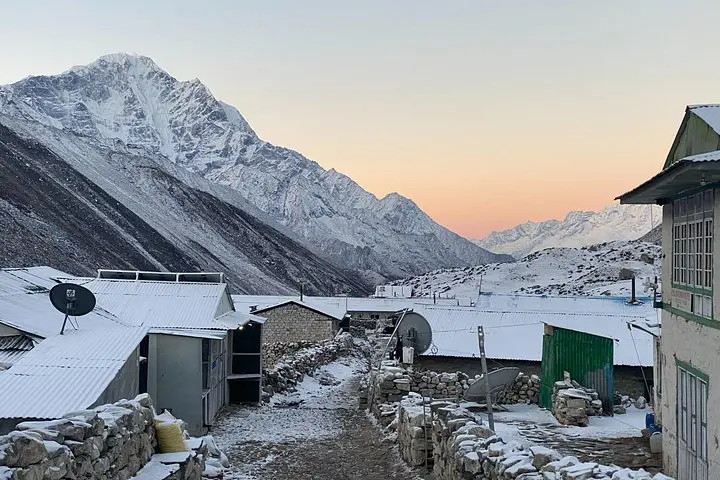
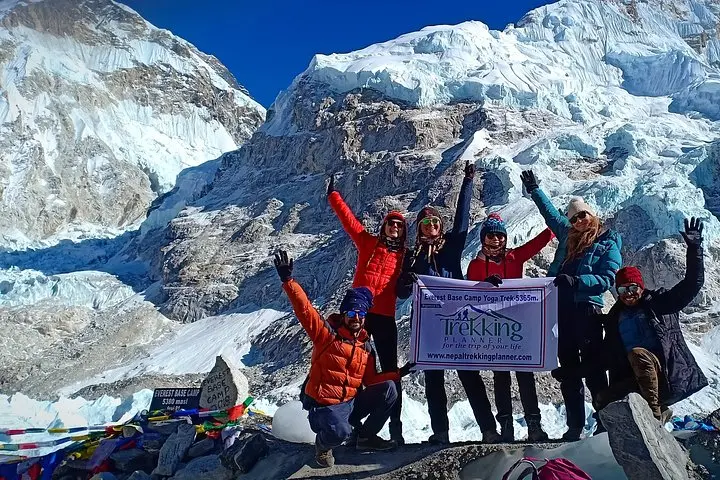
This 13-day itinerary follows the classic Lukla–Namche–Tengboche–Dingboche–Lobuche corridor to Gorakshep and the Everest Base Camp, with a sunrise ascent to Kala Patthar. The route crosses suspension bridges over the Dudh Koshi River, threads rhododendron and juniper forests, and climbs moraine fields left by the Khumbu Glacier. Geologically the region is young: uplifted Himalayan crests, glacial tills and sharp seracs define the high route. Culturally, the trek moves through Sherpa villages—Khumjung, Namche and Tengboche—where monasteries, mani walls and mountaineering history (including Hillary-era schools and hospitals) shape daily life.
Expect a steady mix of long uphill days, acclimatization rests, and exposed glacier-adjacent walking above 4,500 m. Weather is highly seasonal: clear, cold mornings are common in spring and fall; storms can close Lukla’s airstrip in monsoon and winter. Food and lodgings are basic teahouse style above Lukla; hot meals, shared rooms and simple plumbing are standard.
Practical guidance: train with extended hikes and stair work, use a staged pace for acclimatization, and pack layered insulation, a reliable sleeping bag and sun protection. Hydrate early and often, monitor for AMS symptoms, and allow flexibility for a weather-dependent Lukla flight. With preparation, the black slope of Kala Patthar rewards climbers with a close, uncompromising view of Everest’s southeast face.
No—this trek is non-technical; it follows well-established trails to base camp. Glacier travel or summit climbs (Everest, Island Peak) require technical gear and skills.
Late spring (April–May) and autumn (September–November) offer the best combination of weather stability and visibility for views of Everest.
Altitude illness is a real risk above 3,000 m; the itinerary includes acclimatization days and slow ascent—know symptoms, hydrate, and be prepared to descend if they worsen.
Lukla flights are weather-dependent and can be delayed or canceled; plan buffer days and consider Kathmandu-Lukla flight insurance or flexible return plans.
Trekking Planner Nepal operates guided outdoor trips and adventures with an emphasis on safety, stewardship, and memorable experiences.
The trail opens before dawn: a small plane drops you into Lukla’s tarmac and the Khumbu valley unfolds—steep terraces, prayer flags snagging the wind, and a white spine of peaks that seem to rearrange with every step.
The trail opens before dawn: a small plane drops you into Lukla’s tarmac and the Khumbu valley unfolds—steep terraces, prayer flags snagging the wind, and a white spine of peaks that seem to rearrange with every step.
This 13-day itinerary follows the classic Lukla–Namche–Tengboche–Dingboche–Lobuche corridor to Gorakshep and the Everest Base Camp, with a sunrise ascent to Kala Patthar. The route crosses suspension bridges over the Dudh Koshi River, threads rhododendron and juniper forests, and climbs moraine fields left by the Khumbu Glacier. Geologically the region is young: uplifted Himalayan crests, glacial tills and sharp seracs define the high route. Culturally, the trek moves through Sherpa villages—Khumjung, Namche and Tengboche—where monasteries, mani walls and mountaineering history (including Hillary-era schools and hospitals) shape daily life.
Expect a steady mix of long uphill days, acclimatization rests, and exposed glacier-adjacent walking above 4,500 m. Weather is highly seasonal: clear, cold mornings are common in spring and fall; storms can close Lukla’s airstrip in monsoon and winter. Food and lodgings are basic teahouse style above Lukla; hot meals, shared rooms and simple plumbing are standard.
Practical guidance: train with extended hikes and stair work, use a staged pace for acclimatization, and pack layered insulation, a reliable sleeping bag and sun protection. Hydrate early and often, monitor for AMS symptoms, and allow flexibility for a weather-dependent Lukla flight. With preparation, the black slope of Kala Patthar rewards climbers with a close, uncompromising view of Everest’s southeast face.