THE ADVENTURE COLLECTIVE® · Independent discovery and booking for outdoor travel

Follow the classic Khumbu route from Lukla to Kala Patthar and Everest Base Camp over 13–14 days. This practical guide outlines what to expect—altitude, terrain, culture, and the essential gear to carry.
Follow the classic Khumbu route from Lukla to Kala Patthar and Everest Base Camp over 13–14 days. This practical guide outlines what to expect—altitude, terrain, culture, and the essential gear to carry.
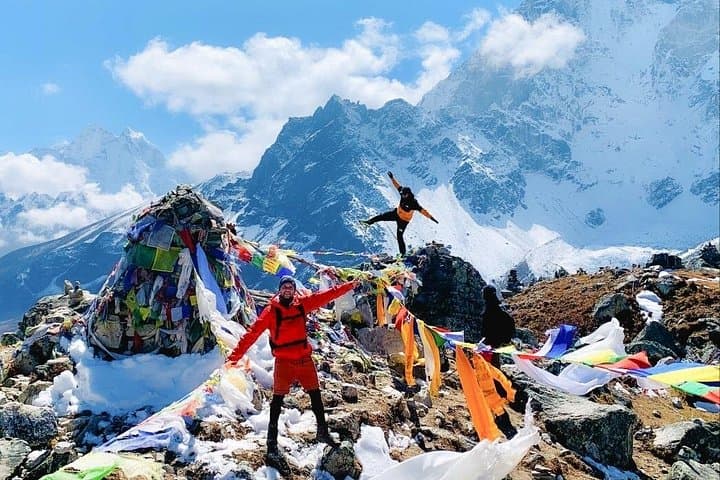
A cold dawn at Lukla feels like the first page of an expedition journal: thin air, bright sky, and a runway that drops away toward the valley. From that small alpine airport the trail threads through pine forests, crosses the Dudh Koshi’s milky rapids on swinging suspension bridges and climbs, step by step, into a landscape of rock, ice and prayer flags.
Verified experiences and guided adventures in the surrounding area.
Operated by Accessible Adventure Pvt. Ltd · Lukla, Province No. 1
A cold dawn at Lukla feels like the first page of an expedition journal: thin air, bright sky, and a runway that drops away toward the valley. From that small alpine airport the trail threads through pine forests, crosses the Dudh Koshi’s milky rapids on swinging suspension bridges and climbs, step by step, into a landscape of rock, ice and prayer flags.
This route follows centuries of Sherpa trade and pilgrimage into Sagarmatha (Everest) National Park, a UNESCO site protected for its unique high‑altitude ecology. Geologically the trail skirts the Khumbu Glacier’s moraine, revealing layered rock faces, glacial polish and the icefall that feeds Everest’s crevassed flanks. Along the way villages—Namche, Tengboche, Dingboche—offer teahouse hospitality and glimpses of Tibetan Buddhist culture: monasteries, mani walls and yak caravans moving like deliberate punctuation on the skyline.
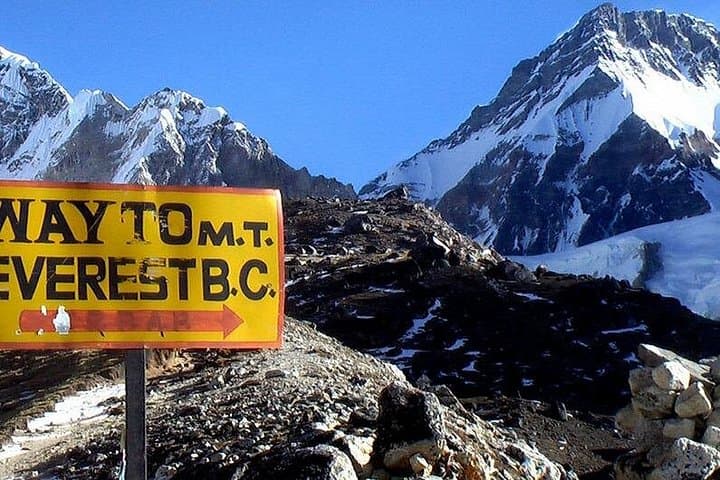
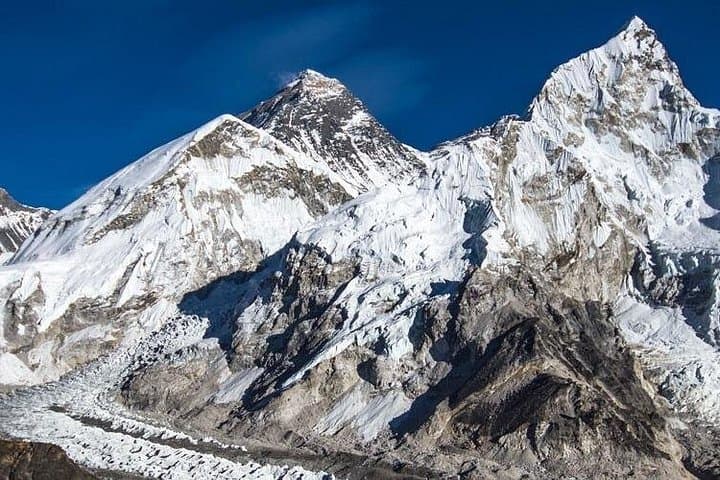
Practically, expect long days at altitude (daily gains and losses of roughly 300–600 m), basic twin-share teahouse accommodation, and unpredictable mountain weather. Kala Patthar (≈5,550 m) provides the classic Everest viewpoint; Everest Base Camp itself sits on the Khumbu Glacier at ~5,364 m. Acclimatization days at Namche and Dingboche are non‑negotiable—your body, not the schedule, decides progress.
Bring layered clothing, quality boots, and plan for slow, steady pacing. Hydrate, monitor oxygen saturation if available, and travel with an experienced guide or company that provides first‑aid and porter support. The trek is not a luxury holiday, but for prepared hikers it delivers unmatched high‑mountain presence and panoramic reward.
Spring (April–May) and autumn (September–November) offer the most stable weather and clear mountain views; spring also brings rhododendron blooms and heavier trekking traffic.
Typical itineraries run 12–14 days from Lukla to EBC and back; the difficulty is challenging mainly because of altitude and long days rather than technical climbing.
No formal climbing experience is required, but prior multi-day trekking and good fitness will improve comfort and reduce risk of altitude-related issues.
A licensed guide is highly recommended for navigation, acclimatization management and emergency care; porters are common and helpful for carrying heavy luggage.
Accessible Adventure Pvt. Ltd operates guided outdoor trips and adventures with an emphasis on safety, stewardship, and memorable experiences.
A cold dawn at Lukla feels like the first page of an expedition journal: thin air, bright sky, and a runway that drops away toward the valley. From that small alpine airport the trail threads through pine forests, crosses the Dudh Koshi’s milky rapids on swinging suspension bridges and climbs, step by step, into a landscape of rock, ice and prayer flags.
A cold dawn at Lukla feels like the first page of an expedition journal: thin air, bright sky, and a runway that drops away toward the valley. From that small alpine airport the trail threads through pine forests, crosses the Dudh Koshi’s milky rapids on swinging suspension bridges and climbs, step by step, into a landscape of rock, ice and prayer flags.
This route follows centuries of Sherpa trade and pilgrimage into Sagarmatha (Everest) National Park, a UNESCO site protected for its unique high‑altitude ecology. Geologically the trail skirts the Khumbu Glacier’s moraine, revealing layered rock faces, glacial polish and the icefall that feeds Everest’s crevassed flanks. Along the way villages—Namche, Tengboche, Dingboche—offer teahouse hospitality and glimpses of Tibetan Buddhist culture: monasteries, mani walls and yak caravans moving like deliberate punctuation on the skyline.
Practically, expect long days at altitude (daily gains and losses of roughly 300–600 m), basic twin-share teahouse accommodation, and unpredictable mountain weather. Kala Patthar (≈5,550 m) provides the classic Everest viewpoint; Everest Base Camp itself sits on the Khumbu Glacier at ~5,364 m. Acclimatization days at Namche and Dingboche are non‑negotiable—your body, not the schedule, decides progress.
Bring layered clothing, quality boots, and plan for slow, steady pacing. Hydrate, monitor oxygen saturation if available, and travel with an experienced guide or company that provides first‑aid and porter support. The trek is not a luxury holiday, but for prepared hikers it delivers unmatched high‑mountain presence and panoramic reward.