THE ADVENTURE COLLECTIVE® · Independent discovery and booking for outdoor travel

A 13-day, non-technical but high-altitude trek from Lukla to Everest Base Camp and Gorak Shep. Expect long days, simple teahouse lodging, and sharp acclimatization needs alongside unforgettable Himalayan panoramas.
A 13-day, non-technical but high-altitude trek from Lukla to Everest Base Camp and Gorak Shep. Expect long days, simple teahouse lodging, and sharp acclimatization needs alongside unforgettable Himalayan panoramas.
Dawn light slices across Everest’s ridgelines as the tiny aircraft banks toward Lukla — the first pulse of an ascent that tightens your breath in more ways than one.
Verified experiences and guided adventures in the surrounding area.
Operated by Adventure White Mountain Pvt.Ltd · Kathmandu, Bagmati Province
Dawn light slices across Everest’s ridgelines as the tiny aircraft banks toward Lukla — the first pulse of an ascent that tightens your breath in more ways than one.
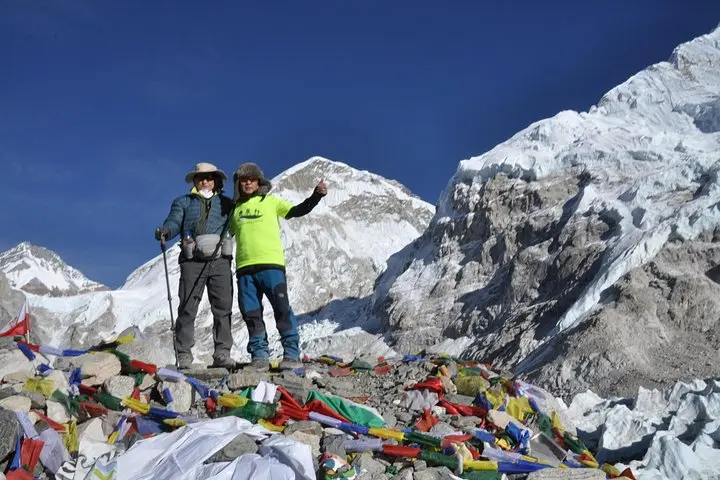
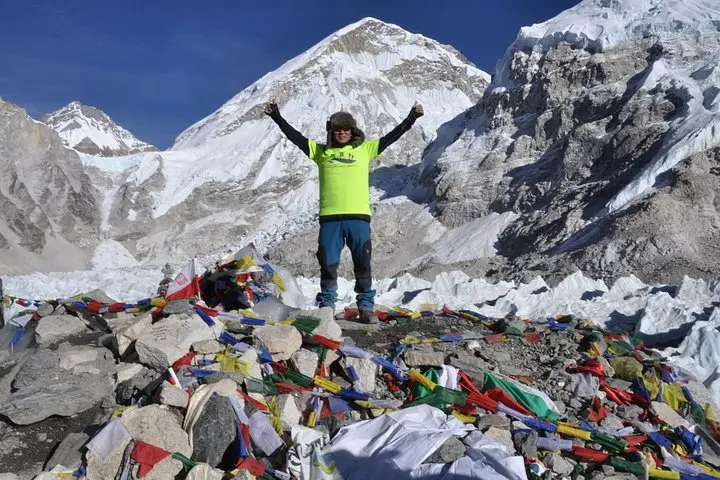
From Lukla the trail drops into rhododendron and pine, follows the Dudh Koshi River and climbs through Sagarmatha National Park toward Namche Bazaar, the Sherpa hub. Days alternate between steady uphill marches and acclimatization pauses at villages like Tengboche and Dingboche, where prayer flags flap against a hard, blue sky and the air gets noticeably thinner.
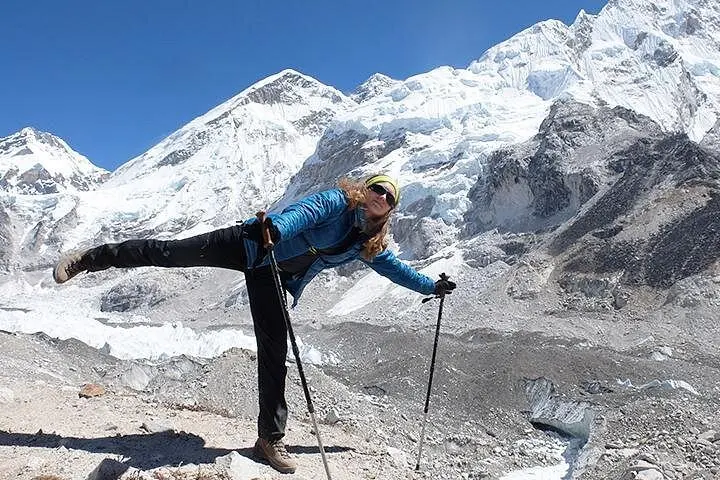
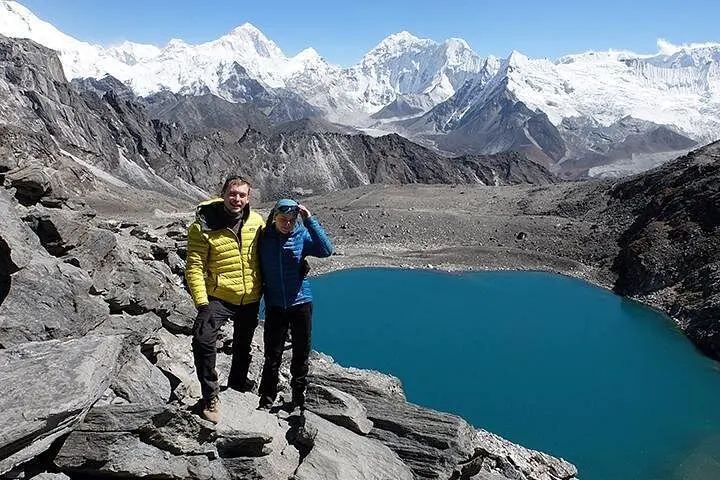
Geology here is raw: glacial moraines, exposed rock faces and the Khumbu Icefall’s braided ice speak of active uplift and relentless freeze–thaw. Culturally the route threads Sherpa communities, Buddhist monasteries and tea houses that grew around trade and mountaineering support over the last century.
Practical details matter: this is a multi-day, high-altitude trek of roughly 12–13 days on the standard itinerary with daily walking that ranges from 4–8 hours, at elevations topping around 5,364 m at Kalapatthar viewpoint and 5,364 m for the highest viewpoints near Gorak Shep and EBC access.
Expect basic tea-house accommodations, limited hot water, and flights to Lukla that are weather dependent. Hydration, steady pacing, and staged acclimatization days are essential to reduce altitude illness risk. Carry layered clothing, a reliable down jacket, solid boots and cash for permits and tips.
When the clouds part, Everest and its neighbors command attention — a stark, immediate reminder that this trek is as much about endurance and logistics as it is about the view.
No technical climbing skills are required for the standard trek to EBC; the route is a high-altitude walk on marked trails and moraine.
Vital — scheduled rest days in Namche and Dingboche lower altitude illness risk by allowing physiological adjustment before higher elevations.
Most nights are in tea houses with dorm-style rooms, shared bathrooms, basic hot meals and limited hot water; bring a sleeping liner for hygiene and warmth.
Early morning flights in spring and fall are generally most reliable; weather-dependent cancellations are still common, so build buffer days into your itinerary.
Adventure White Mountain Pvt.Ltd operates guided outdoor trips and adventures with an emphasis on safety, stewardship, and memorable experiences.
Dawn light slices across Everest’s ridgelines as the tiny aircraft banks toward Lukla — the first pulse of an ascent that tightens your breath in more ways than one.
Dawn light slices across Everest’s ridgelines as the tiny aircraft banks toward Lukla — the first pulse of an ascent that tightens your breath in more ways than one.
From Lukla the trail drops into rhododendron and pine, follows the Dudh Koshi River and climbs through Sagarmatha National Park toward Namche Bazaar, the Sherpa hub. Days alternate between steady uphill marches and acclimatization pauses at villages like Tengboche and Dingboche, where prayer flags flap against a hard, blue sky and the air gets noticeably thinner.
Geology here is raw: glacial moraines, exposed rock faces and the Khumbu Icefall’s braided ice speak of active uplift and relentless freeze–thaw. Culturally the route threads Sherpa communities, Buddhist monasteries and tea houses that grew around trade and mountaineering support over the last century.
Practical details matter: this is a multi-day, high-altitude trek of roughly 12–13 days on the standard itinerary with daily walking that ranges from 4–8 hours, at elevations topping around 5,364 m at Kalapatthar viewpoint and 5,364 m for the highest viewpoints near Gorak Shep and EBC access.
Expect basic tea-house accommodations, limited hot water, and flights to Lukla that are weather dependent. Hydration, steady pacing, and staged acclimatization days are essential to reduce altitude illness risk. Carry layered clothing, a reliable down jacket, solid boots and cash for permits and tips.
When the clouds part, Everest and its neighbors command attention — a stark, immediate reminder that this trek is as much about endurance and logistics as it is about the view.