THE ADVENTURE COLLECTIVE® · Independent discovery and booking for outdoor travel

A classic 14-day route from Kathmandu to Everest Base Camp and Kala Patthar, this trek moves through Sherpa villages, high passes, and glacial landscapes. Expect suspension bridges, teahouse nights, and demanding high-altitude days with unforgettable mountain panoramas.
A classic 14-day route from Kathmandu to Everest Base Camp and Kala Patthar, this trek moves through Sherpa villages, high passes, and glacial landscapes. Expect suspension bridges, teahouse nights, and demanding high-altitude days with unforgettable mountain panoramas.
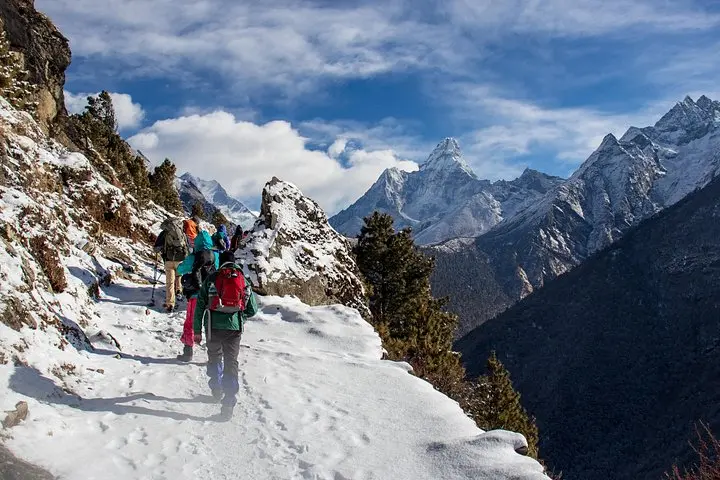
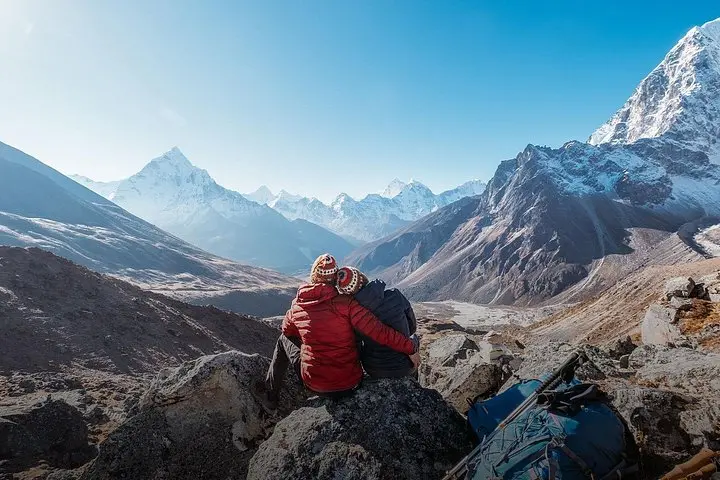
You step off a short, heart-stirring flight into Lukla and the mountains rush forward like an old friend nudging you onward. Packed paths lead up through villages where prayer flags snap like small, stubborn banners; terraced fields give way to stony moraine and the glacier’s slow, grinding voice. Each day the air thins and the peaks take on a severe, honest clarity.
Verified experiences and guided adventures in the surrounding area.
Operated by Travel Pinto · Lukla, Province No. 1
You step off a short, heart-stirring flight into Lukla and the mountains rush forward like an old friend nudging you onward. Packed paths lead up through villages where prayer flags snap like small, stubborn banners; terraced fields give way to stony moraine and the glacier’s slow, grinding voice. Each day the air thins and the peaks take on a severe, honest clarity.
The route follows the Dudh Kosi and the Khumbu Glacier through Sagarmatha National Park, a UNESCO-protected landscape established in the 1970s. Geology here reads like a slow-motion drama: uplifted rock, glacial scours, and terminal moraine. Sherpa culture is present at every tea house and monastery—Tengboche’s chants and the Sherpa Museum in Namche Bazaar provide context for the people who live with these mountains.
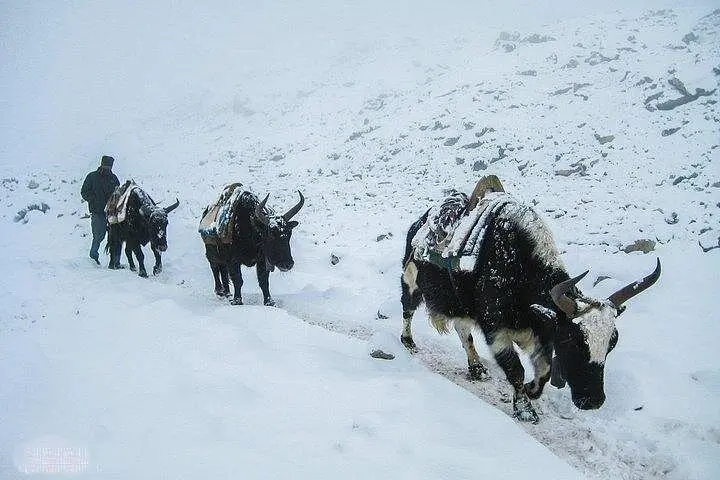
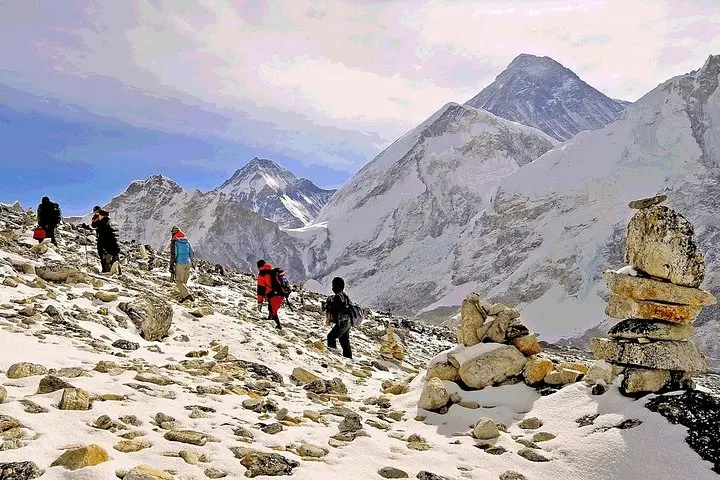
Expect steep villages, suspension bridges, and long, high-altitude marches culminating at Everest Base Camp (5,365 m) and Kala Patthar (5,555 m) for the best panoramas. Weather shifts fast: sun can be bright one hour and wind-lashed the next. Acclimatization days and a steady pace are non-negotiable; the itinerary builds in rest days in Namche and Dingboche for that reason.
Practical tips: travel in spring or autumn for the clearest views; carry layered insulation, a reliable down jacket and a warm sleeping liner for teahouse nights. Hydrate constantly and use a water filter or treated water. Book the Lukla flight window early in the morning and plan contingency days—flights and schedules change with mountain weather. The trek is challenging but imminently doable with steady fitness and respect for altitude.
Yes—Sagarmatha National Park entry permit and a local Pasang Lhamu Rural Municipality fee are required and usually handled by operators.
Everest Base Camp sits around 5,365 m; Kala Patthar summit is about 5,555 m and offers the best panoramic view of Everest.
Physically fit beginners with high-altitude awareness and proper acclimatization can complete it, but it’s not a casual walk—prepare with multi-day hikes and cardio training.
Guides carry first-aid kits and operators arrange evacuation if needed; immediate descent is the primary treatment for serious altitude illness.
Travel Pinto operates guided outdoor trips and adventures with an emphasis on safety, stewardship, and memorable experiences.
You step off a short, heart-stirring flight into Lukla and the mountains rush forward like an old friend nudging you onward. Packed paths lead up through villages where prayer flags snap like small, stubborn banners; terraced fields give way to stony moraine and the glacier’s slow, grinding voice. Each day the air thins and the peaks take on a severe, honest clarity.
You step off a short, heart-stirring flight into Lukla and the mountains rush forward like an old friend nudging you onward. Packed paths lead up through villages where prayer flags snap like small, stubborn banners; terraced fields give way to stony moraine and the glacier’s slow, grinding voice. Each day the air thins and the peaks take on a severe, honest clarity.
The route follows the Dudh Kosi and the Khumbu Glacier through Sagarmatha National Park, a UNESCO-protected landscape established in the 1970s. Geology here reads like a slow-motion drama: uplifted rock, glacial scours, and terminal moraine. Sherpa culture is present at every tea house and monastery—Tengboche’s chants and the Sherpa Museum in Namche Bazaar provide context for the people who live with these mountains.
Expect steep villages, suspension bridges, and long, high-altitude marches culminating at Everest Base Camp (5,365 m) and Kala Patthar (5,555 m) for the best panoramas. Weather shifts fast: sun can be bright one hour and wind-lashed the next. Acclimatization days and a steady pace are non-negotiable; the itinerary builds in rest days in Namche and Dingboche for that reason.
Practical tips: travel in spring or autumn for the clearest views; carry layered insulation, a reliable down jacket and a warm sleeping liner for teahouse nights. Hydrate constantly and use a water filter or treated water. Book the Lukla flight window early in the morning and plan contingency days—flights and schedules change with mountain weather. The trek is challenging but imminently doable with steady fitness and respect for altitude.