THE ADVENTURE COLLECTIVE® · Independent discovery and booking for outdoor travel

Fly into Lukla, walk through Sherpa villages and rhododendron forests, and stand on the moraine above the Khumbu Glacier at Everest Base Camp. This 14-day guided trek balances acclimatization, culture, and big-mountain views for seasoned hikers.
Fly into Lukla, walk through Sherpa villages and rhododendron forests, and stand on the moraine above the Khumbu Glacier at Everest Base Camp. This 14-day guided trek balances acclimatization, culture, and big-mountain views for seasoned hikers.
A thin, cold light at dawn spills across prayer flags as the small Tenzing–Hillary airstrip in Lukla hums with the day’s first flights. You step off the plane into a high, dry air that sharpens every ridge; yak trains rattle past and the trail drops toward the Dudh Kosi, pulling you into village life where stone houses and mani walls mark the path.
Verified experiences and guided adventures in the surrounding area.
Operated by Alpine Ramble Treks · Lukla, Province No. 1
A thin, cold light at dawn spills across prayer flags as the small Tenzing–Hillary airstrip in Lukla hums with the day’s first flights. You step off the plane into a high, dry air that sharpens every ridge; yak trains rattle past and the trail drops toward the Dudh Kosi, pulling you into village life where stone houses and mani walls mark the path.
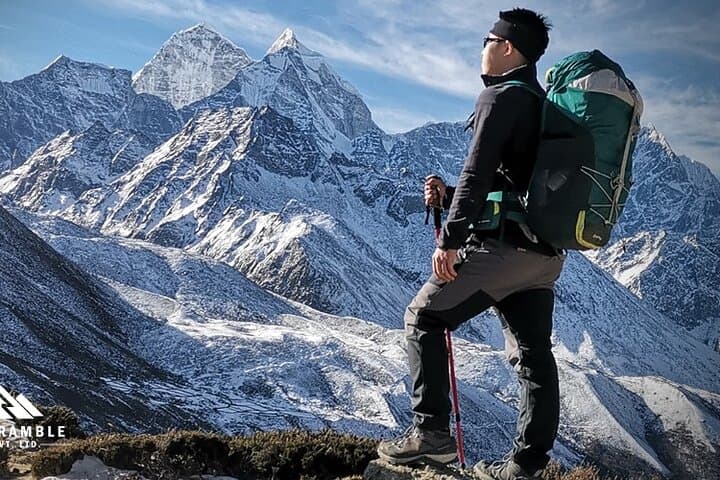
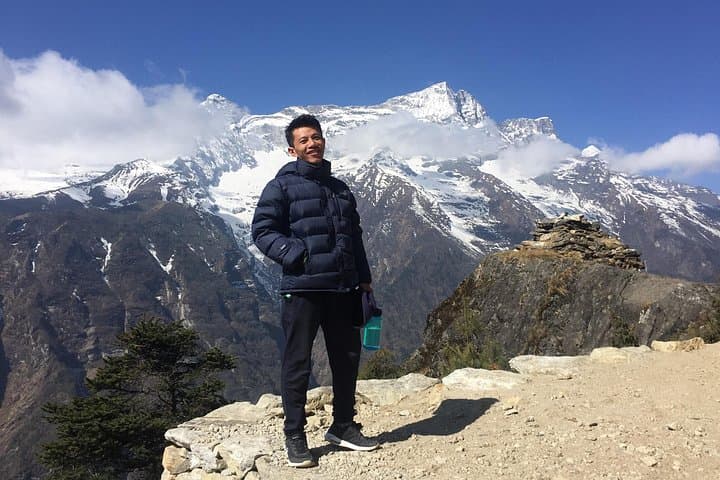
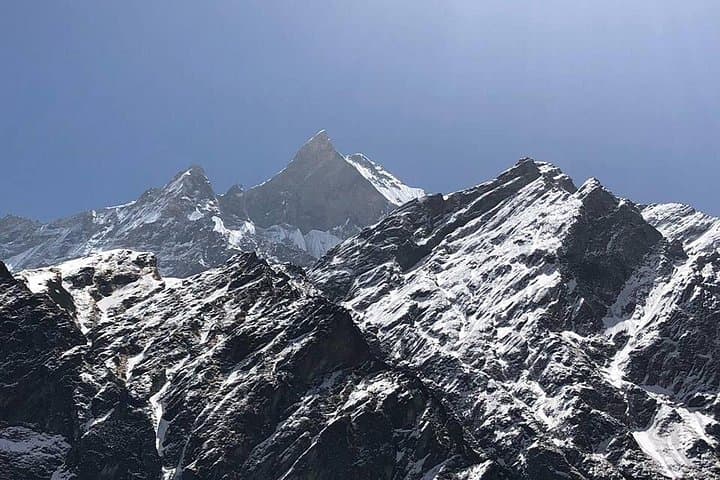
The route follows routes used for trade and pilgrimage and climbs through the heart of Sagarmatha National Park, a UNESCO-protected landscape carved by glaciation and uplift. Geology here is raw: moraines, blue ice, and the Khumbu Glacier channeling meltwater down toward lower valleys. Sherpa culture is visible at every turn—chortens, prayer wheels, and monasteries like Tengboche that have been spiritual anchors for generations. The flight into Lukla, the trading hub of Namche Bazaar, and the viewpoints at Syangboche and Kala Patthar are part of the region’s living history tied to early mountaineering and the 1953 Everest ascent.
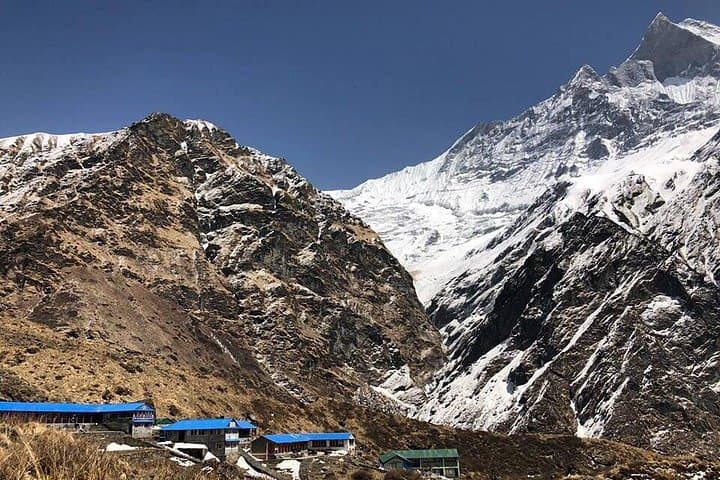
Practical guidance: expect long days of walking (4–8 hours most days), steep altitude gain, and basic lodge accommodations. Acclimatization days in Namche and Dingboche reduce AMS risk; Diamox may be recommended. Pack layered insulation, waterproof outerwear, sturdy boots, and a reliable sleeping liner. Flights to and from Lukla are weather-dependent—allow buffer days. Hydration, steady pacing, and listening to your guide are the best defenses against altitude and cold.
This trek is logistical and physical: prepare, respect the mountain systems and Sherpa communities, and you’ll return with high, clear views and a true sense of Himalayan scale.
Yes—Sagarmatha National Park permits and a TIMS card are required; tour operators typically arrange these before your trek.
The Lukla flight is short (about 35 minutes) but weather-sensitive and can be bumpy; pilots are experienced; flights may be delayed or canceled for safety.
Basic tea houses provide a bed, shared bathrooms, and full-board meals—expect simple cooking fuel-based kitchens and limited hot water at higher elevations.
AMS risk increases above 3,000 m; following the itinerary’s acclimatization days, staying hydrated, ascending slowly, and consulting guides about symptoms lowers risk.
Alpine Ramble Treks operates guided outdoor trips and adventures with an emphasis on safety, stewardship, and memorable experiences.
A thin, cold light at dawn spills across prayer flags as the small Tenzing–Hillary airstrip in Lukla hums with the day’s first flights. You step off the plane into a high, dry air that sharpens every ridge; yak trains rattle past and the trail drops toward the Dudh Kosi, pulling you into village life where stone houses and mani walls mark the path.
A thin, cold light at dawn spills across prayer flags as the small Tenzing–Hillary airstrip in Lukla hums with the day’s first flights. You step off the plane into a high, dry air that sharpens every ridge; yak trains rattle past and the trail drops toward the Dudh Kosi, pulling you into village life where stone houses and mani walls mark the path.
The route follows routes used for trade and pilgrimage and climbs through the heart of Sagarmatha National Park, a UNESCO-protected landscape carved by glaciation and uplift. Geology here is raw: moraines, blue ice, and the Khumbu Glacier channeling meltwater down toward lower valleys. Sherpa culture is visible at every turn—chortens, prayer wheels, and monasteries like Tengboche that have been spiritual anchors for generations. The flight into Lukla, the trading hub of Namche Bazaar, and the viewpoints at Syangboche and Kala Patthar are part of the region’s living history tied to early mountaineering and the 1953 Everest ascent.
Practical guidance: expect long days of walking (4–8 hours most days), steep altitude gain, and basic lodge accommodations. Acclimatization days in Namche and Dingboche reduce AMS risk; Diamox may be recommended. Pack layered insulation, waterproof outerwear, sturdy boots, and a reliable sleeping liner. Flights to and from Lukla are weather-dependent—allow buffer days. Hydration, steady pacing, and listening to your guide are the best defenses against altitude and cold.
This trek is logistical and physical: prepare, respect the mountain systems and Sherpa communities, and you’ll return with high, clear views and a true sense of Himalayan scale.