THE ADVENTURE COLLECTIVE® · Independent discovery and booking for outdoor travel

A 14–15 day guided trek from Lukla to Everest Base Camp that combines high‑altitude landscapes, Sherpa culture and progressive acclimatization. Expect lodge stays, variable terrain and possible flight delays into Lukla.
A 14–15 day guided trek from Lukla to Everest Base Camp that combines high‑altitude landscapes, Sherpa culture and progressive acclimatization. Expect lodge stays, variable terrain and possible flight delays into Lukla.
A cold, thin light pours over the ridgeline as the trail narrows and the rope-flecked prayer flags begin to flutter. You feel altitude with every step — the air is thinner, the yak bells louder — and the world compresses into stone, sky and the steady breath of the trail.
Verified experiences and guided adventures in the surrounding area.
Operated by Explore Himalaya Travel and Adventure · Lukla, Province No. 1
A cold, thin light pours over the ridgeline as the trail narrows and the rope-flecked prayer flags begin to flutter. You feel altitude with every step — the air is thinner, the yak bells louder — and the world compresses into stone, sky and the steady breath of the trail.
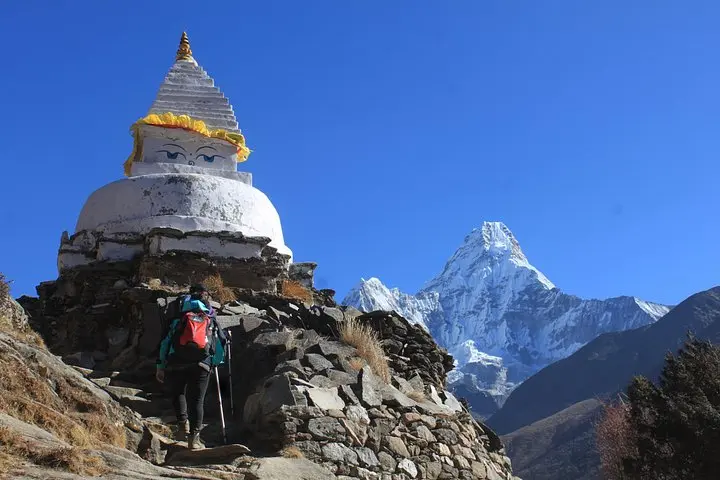
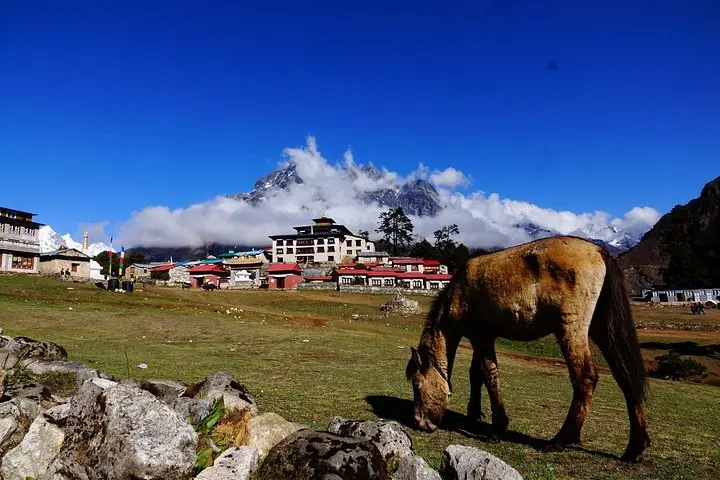
This 14‑15 day trek traces a route first traveled by Sherpa caravans and later by climbers preparing for the world’s highest summit. The path crosses Sagarmatha National Park, a rugged mosaic of glacial moraines, carved valleys and exposed granite shaped by the collision of the Indian and Eurasian plates. Cultural waypoints — mani walls, teahouses and monasteries such as Tengboche — mark centuries of Sherpa Buddhist life and hospitality.
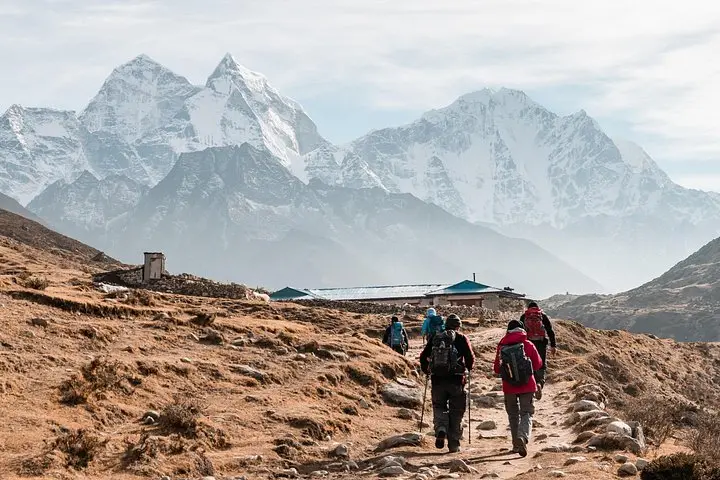
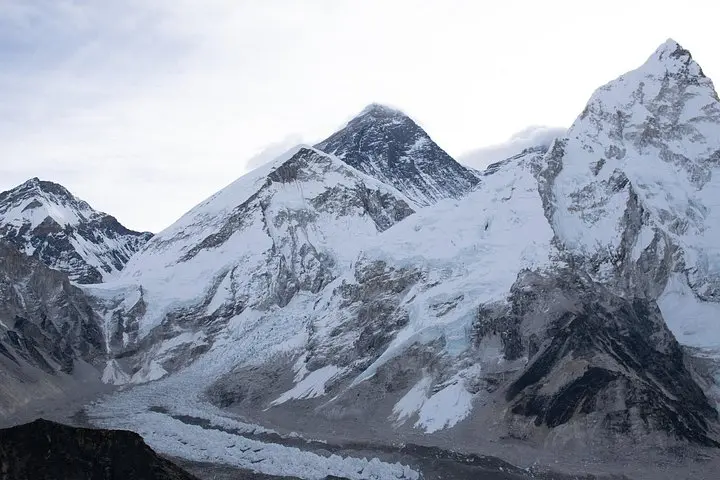
Expect multi‑day lodge-to-lodge trekking, morning flights into Lukla (weather permitting), and progressive acclimatization: Namche Bazaar, Tengboche and Dingboche are the classic stops before the final push toward Gorak Shep and Everest Base Camp. Terrain alternates dusty trail, stone steps and occasional icy patches; elevation gain is steady, topping near 5,364 m at Kala Patthar for the best viewpoints.
Practical edge: build buffer days for Lukla flight delays, hydrate and follow a conservative ascent profile, and pack for wide temperature swings — days can be mild while nights freeze. Local guides handle permits and logistics (TIMS and Sagarmatha NP entry). On-trail comforts are basic: shared rooms, hearty meals and hot tea. The payoff is uncomplicated: a close, raw view of Everest’s lower flanks and a vivid immersion into high‑Himalaya life.
Late September–November and March–May offer the most stable weather and clear views; spring brings warmer temps and rhododendron blooms.
No technical climbing skills are required, but prior multi-day trekking experience and good cardiovascular fitness are highly recommended.
Most itineraries include a morning flight from Kathmandu to Lukla (Tenzing–Hillary Airport); flights are weather-dependent and can be delayed.
Altitude sickness is a real risk—follow acclimatization days, hydrate, avoid overexertion and consult a physician about medications like acetazolamide if concerned.
Explore Himalaya Travel and Adventure operates guided outdoor trips and adventures with an emphasis on safety, stewardship, and memorable experiences.
A cold, thin light pours over the ridgeline as the trail narrows and the rope-flecked prayer flags begin to flutter. You feel altitude with every step — the air is thinner, the yak bells louder — and the world compresses into stone, sky and the steady breath of the trail.
A cold, thin light pours over the ridgeline as the trail narrows and the rope-flecked prayer flags begin to flutter. You feel altitude with every step — the air is thinner, the yak bells louder — and the world compresses into stone, sky and the steady breath of the trail.
This 14‑15 day trek traces a route first traveled by Sherpa caravans and later by climbers preparing for the world’s highest summit. The path crosses Sagarmatha National Park, a rugged mosaic of glacial moraines, carved valleys and exposed granite shaped by the collision of the Indian and Eurasian plates. Cultural waypoints — mani walls, teahouses and monasteries such as Tengboche — mark centuries of Sherpa Buddhist life and hospitality.
Expect multi‑day lodge-to-lodge trekking, morning flights into Lukla (weather permitting), and progressive acclimatization: Namche Bazaar, Tengboche and Dingboche are the classic stops before the final push toward Gorak Shep and Everest Base Camp. Terrain alternates dusty trail, stone steps and occasional icy patches; elevation gain is steady, topping near 5,364 m at Kala Patthar for the best viewpoints.
Practical edge: build buffer days for Lukla flight delays, hydrate and follow a conservative ascent profile, and pack for wide temperature swings — days can be mild while nights freeze. Local guides handle permits and logistics (TIMS and Sagarmatha NP entry). On-trail comforts are basic: shared rooms, hearty meals and hot tea. The payoff is uncomplicated: a close, raw view of Everest’s lower flanks and a vivid immersion into high‑Himalaya life.