THE ADVENTURE COLLECTIVE® · Independent discovery and booking for outdoor travel

A 14‑day guided trek from Lukla to Everest Base Camp and Kala Patthar, this route combines Sherpa culture, high‑altitude geology and glacier views. Expect sustained elevation gain, teahouse nights, and weather‑dependent flights to Lukla.
A 14‑day guided trek from Lukla to Everest Base Camp and Kala Patthar, this route combines Sherpa culture, high‑altitude geology and glacier views. Expect sustained elevation gain, teahouse nights, and weather‑dependent flights to Lukla.
You step out of the tiny Lukla airport into thin air and a sun that seems closer to the earth. Prayer flags snap at every teahouse and the Dudh Koshi river keeps a steady, insistent pace, daring you onward as you climb from birch and rhododendron into wind-scoured alpine rock.
Verified experiences and guided adventures in the surrounding area.
Operated by Hiking Himalayas Trek and Expedition Private Day Tours · Lukla, Province No. 1
You step out of the tiny Lukla airport into thin air and a sun that seems closer to the earth. Prayer flags snap at every teahouse and the Dudh Koshi river keeps a steady, insistent pace, daring you onward as you climb from birch and rhododendron into wind-scoured alpine rock.
This 14‑day route follows the Khumbu Valley into Sagarmatha National Park, a UNESCO site established to protect the high Himalaya’s fragile ecosystems and Sherpa cultural landscape. Geologically, you move from young valley river deposits into moraine fields and the cold, creaking expanse of the Khumbu Glacier; peaks like Ama Dablam and Lhotse appear as living maps of tectonic uplift and glacial sculpting.
Along the way, you’ll pass Sherpa monasteries, mani walls and teahouse communities that rely on trekking seasons. Local history is shaped by trade routes over the Nangpa La and Sir Edmund Hillary’s post‑1950s development of Himalayan rescue and health services.
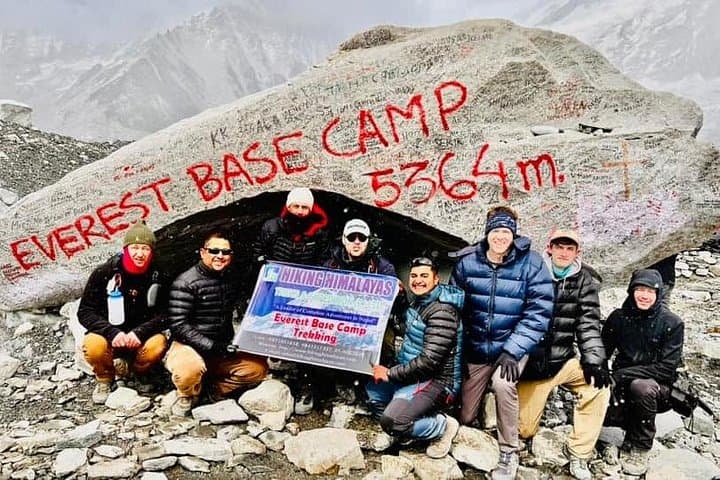
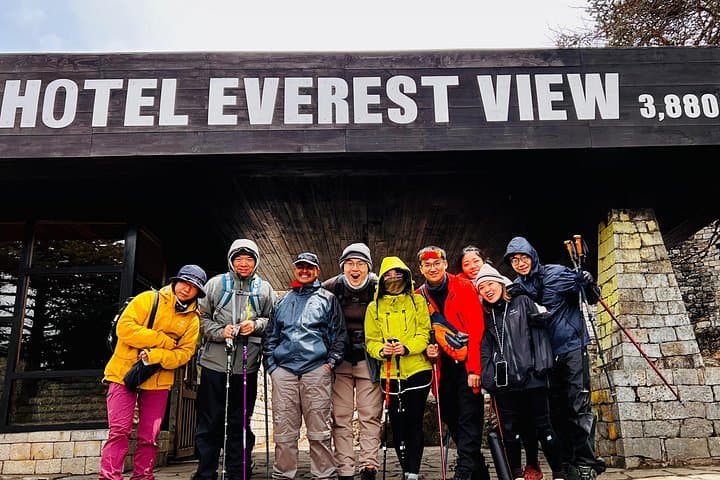
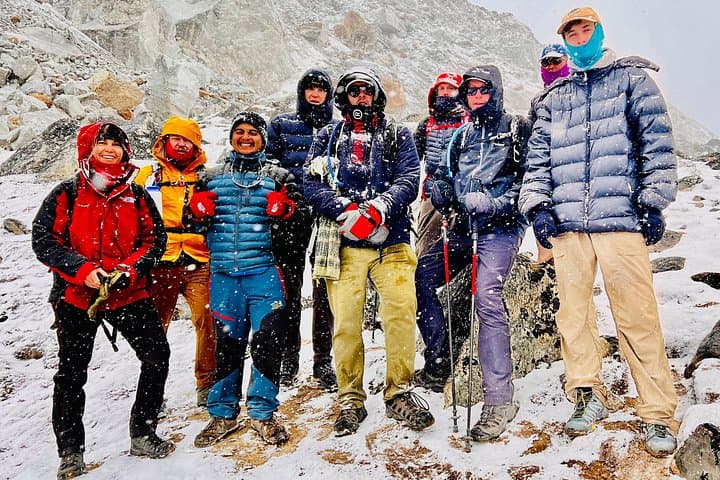
Practical guide: expect 4–6 hour walking days with several longer summit pushes (Kala Patthar dawn trek). Altitude is the primary challenge—follow the itinerary’s acclimatization days and watch for headaches, nausea or shortness of breath. Layers are essential: mornings are frigid, middays can be warm, nights cold. Hydrate constantly and carry a basic first‑aid kit and water purification tablets. Flights to/from Lukla are weather dependent; plan contingency days in Kathmandu. Lodges provide twin-share rooms and hot meals but limited electricity and fuel—charge devices in town, bring spare batteries, and pack lightweight, high‑calorie snacks. With steady pacing, good boots, and respect for the mountains’ weather, this trek delivers glacier views, high‑altitude perspective, and the stark reward of standing near Everest’s base.
This is demanding due to altitude rather than technical difficulty; beginners can succeed with good fitness, the guided itinerary’s acclimatization days, and conservative pacing.
Not strictly, but prior multi‑day hiking helps; serious training for endurance and cardiovascular fitness is highly recommended.
Flights to Lukla depart from Kathmandu’s domestic airport and take ~35 minutes; schedules are weather dependent so plan buffer days before international flights.
Mild symptoms are common—headache, nausea or fatigue; guides monitor groups, use descent and rest, and evacuation to Kathmandu may be necessary for severe cases; bring a pulse oximeter if desired.
Hiking Himalayas Trek and Expedition Private Day Tours operates guided outdoor trips and adventures with an emphasis on safety, stewardship, and memorable experiences.

You step out of the tiny Lukla airport into thin air and a sun that seems closer to the earth. Prayer flags snap at every teahouse and the Dudh Koshi river keeps a steady, insistent pace, daring you onward as you climb from birch and rhododendron into wind-scoured alpine rock.
You step out of the tiny Lukla airport into thin air and a sun that seems closer to the earth. Prayer flags snap at every teahouse and the Dudh Koshi river keeps a steady, insistent pace, daring you onward as you climb from birch and rhododendron into wind-scoured alpine rock.
This 14‑day route follows the Khumbu Valley into Sagarmatha National Park, a UNESCO site established to protect the high Himalaya’s fragile ecosystems and Sherpa cultural landscape. Geologically, you move from young valley river deposits into moraine fields and the cold, creaking expanse of the Khumbu Glacier; peaks like Ama Dablam and Lhotse appear as living maps of tectonic uplift and glacial sculpting.
Along the way, you’ll pass Sherpa monasteries, mani walls and teahouse communities that rely on trekking seasons. Local history is shaped by trade routes over the Nangpa La and Sir Edmund Hillary’s post‑1950s development of Himalayan rescue and health services.
Practical guide: expect 4–6 hour walking days with several longer summit pushes (Kala Patthar dawn trek). Altitude is the primary challenge—follow the itinerary’s acclimatization days and watch for headaches, nausea or shortness of breath. Layers are essential: mornings are frigid, middays can be warm, nights cold. Hydrate constantly and carry a basic first‑aid kit and water purification tablets. Flights to/from Lukla are weather dependent; plan contingency days in Kathmandu. Lodges provide twin-share rooms and hot meals but limited electricity and fuel—charge devices in town, bring spare batteries, and pack lightweight, high‑calorie snacks. With steady pacing, good boots, and respect for the mountains’ weather, this trek delivers glacier views, high‑altitude perspective, and the stark reward of standing near Everest’s base.