THE ADVENTURE COLLECTIVE® · Independent discovery and booking for outdoor travel

A demanding 14-day trek from Lukla to Everest Base Camp and Kala Patthar that combines high-altitude alpine scenery, Sherpa culture, and glacial landscapes. Expect long days, thin air, and unforgettable summit views at sunrise.
A demanding 14-day trek from Lukla to Everest Base Camp and Kala Patthar that combines high-altitude alpine scenery, Sherpa culture, and glacial landscapes. Expect long days, thin air, and unforgettable summit views at sunrise.
A thin morning wind pushes across the trail as you break from Lukla and enter the khumbu valley, prayer flags snapping like small flags of insistence. The path climbs through rhododendron and fir, threads villages of stone and tin, and opens to views that demand you stop—Ama Dablam’s knife, Lhotse’s broad flank, Everest rising like an unignorable horizon.
Verified experiences and guided adventures in the surrounding area.
Operated by Dream Heaven Adventure Pvt. Ltd. · Kathmandu, Bagmati Province
A thin morning wind pushes across the trail as you break from Lukla and enter the khumbu valley, prayer flags snapping like small flags of insistence. The path climbs through rhododendron and fir, threads villages of stone and tin, and opens to views that demand you stop—Ama Dablam’s knife, Lhotse’s broad flank, Everest rising like an unignorable horizon.
The trek follows routes used for generations by Sherpa traders and pilgrims; it traverses glacial moraines and the Khumbu Glacier’s terminal ice, inside Sagarmatha National Park (est. 1976), a landscape shaped by uplift and relentless freeze-thaw. Cultural waypoints—Tengboche and Pangboche monasteries—offer insight into Tibetan-Buddhist practice and the Sherpa way of life, while mani walls and chortens mark routes with local devotion.
Expect long days on rocky, often icy trails and steady altitude gains—classic high-altitude trekking rather than technical mountaineering. Key moments are Gorakshep’s windswept plain, Base Camp’s tent city, and the predawn climb to Kala Patthar (≈5,550 m) for an unobstructed sunrise on Everest.
Practical edge: acclimatize, carry layers and a quality sleeping bag for chilly teahouses, and budget extra time for weather delays—Lukla flights are weather-dependent. Hydrate, watch for early signs of AMS, and use a certified guide and porter system to spread load and support local economy.
This is a compact, demanding Himalayan rite of passage: physically testing, culturally rich, and geometrically breathtaking—prepare your legs, your lungs and your patience, and the mountains will repay you with views few places on Earth can match.
No; the standard route to Base Camp and Kala Patthar is non-technical trekking, but it requires good fitness and acclimatization.
You need TIMS (Trekkers’ Information Management System) and Sagarmatha National Park permit; operators usually arrange these before departure.
Flights are frequently delayed or canceled due to weather; itineraries build in flexibility and operators may rebook flights or arrange overland alternatives when possible.
Ascend slowly, hydrate, rest on acclimatization days, and notify your guide at any symptoms; descent is the primary treatment for moderate-to-severe AMS.
Dream Heaven Adventure Pvt. Ltd. operates guided outdoor trips and adventures with an emphasis on safety, stewardship, and memorable experiences.
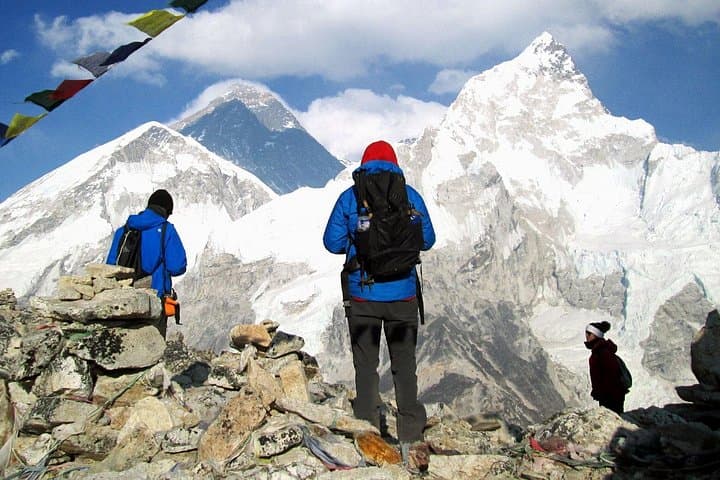
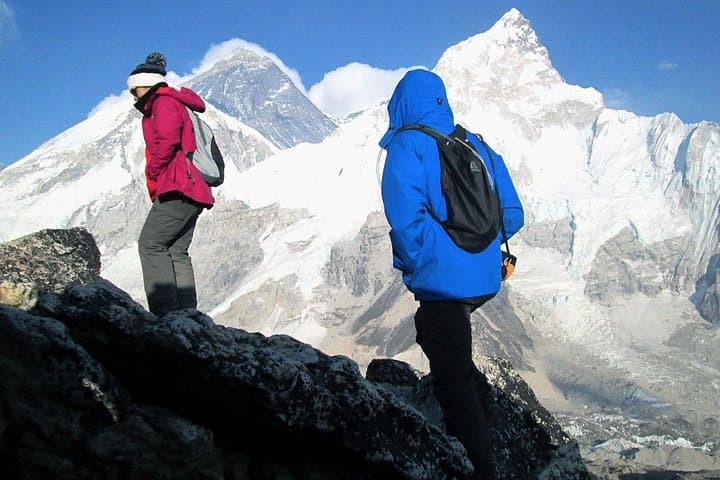

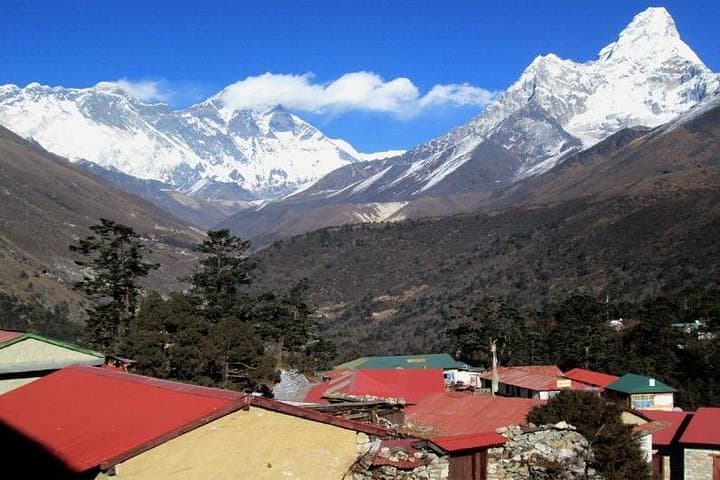
A thin morning wind pushes across the trail as you break from Lukla and enter the khumbu valley, prayer flags snapping like small flags of insistence. The path climbs through rhododendron and fir, threads villages of stone and tin, and opens to views that demand you stop—Ama Dablam’s knife, Lhotse’s broad flank, Everest rising like an unignorable horizon.
A thin morning wind pushes across the trail as you break from Lukla and enter the khumbu valley, prayer flags snapping like small flags of insistence. The path climbs through rhododendron and fir, threads villages of stone and tin, and opens to views that demand you stop—Ama Dablam’s knife, Lhotse’s broad flank, Everest rising like an unignorable horizon.
The trek follows routes used for generations by Sherpa traders and pilgrims; it traverses glacial moraines and the Khumbu Glacier’s terminal ice, inside Sagarmatha National Park (est. 1976), a landscape shaped by uplift and relentless freeze-thaw. Cultural waypoints—Tengboche and Pangboche monasteries—offer insight into Tibetan-Buddhist practice and the Sherpa way of life, while mani walls and chortens mark routes with local devotion.
Expect long days on rocky, often icy trails and steady altitude gains—classic high-altitude trekking rather than technical mountaineering. Key moments are Gorakshep’s windswept plain, Base Camp’s tent city, and the predawn climb to Kala Patthar (≈5,550 m) for an unobstructed sunrise on Everest.
Practical edge: acclimatize, carry layers and a quality sleeping bag for chilly teahouses, and budget extra time for weather delays—Lukla flights are weather-dependent. Hydrate, watch for early signs of AMS, and use a certified guide and porter system to spread load and support local economy.
This is a compact, demanding Himalayan rite of passage: physically testing, culturally rich, and geometrically breathtaking—prepare your legs, your lungs and your patience, and the mountains will repay you with views few places on Earth can match.