THE ADVENTURE COLLECTIVE® · Independent discovery and booking for outdoor travel

A 14‑day trek from Lukla to Everest Base Camp and Kala Patthar that balances acclimatization, Sherpa culture, and glacier‑scaped panoramas. Ideal for seasoned hikers who prepare for high altitude and variable mountain weather.
A 14‑day trek from Lukla to Everest Base Camp and Kala Patthar that balances acclimatization, Sherpa culture, and glacier‑scaped panoramas. Ideal for seasoned hikers who prepare for high altitude and variable mountain weather.
A thin, cold light edges the ridgelines as walkers tighten bootlaces in Lukla and step onto a path flanked by prayer flags and chortens. Day by day the air thins, rhododendron woods give way to alpine meadows, and the Khumbu Glacier’s moraines begin to dominate the horizon. By the time the group reaches Gorak Shep, Everest looms like a living wall—white, jagged, uncompromising.
Verified experiences and guided adventures in the surrounding area.
Operated by Eco Nepal Trekkers · Lukla, Province No. 1
A thin, cold light edges the ridgelines as walkers tighten bootlaces in Lukla and step onto a path flanked by prayer flags and chortens. Day by day the air thins, rhododendron woods give way to alpine meadows, and the Khumbu Glacier’s moraines begin to dominate the horizon. By the time the group reaches Gorak Shep, Everest looms like a living wall—white, jagged, uncompromising.
This 14‑day itinerary moves through the heart of Sagarmatha National Park (a UNESCO site since 1979), tracing geological drama carved by tectonic uplift and glacial flow. Trails run along lateral moraines, cross braided glacial streams, and climb toward viewpoints such as Kala Patthar (≈5,545 m) that deliver unrivaled sunrises on Everest, Lhotse and Nuptse. Along the route, Sherpa villages—Namche Bazaar, Tengboche, Dingboche—offer cultural pauses: monasteries, butter‑lamp rituals, and markets stocked with local tea and barley flour staples.
Practical planning is decisive: acclimatization days in Namche and Dingboche are non‑negotiable, permits (TIMS and Sagarmatha NP) are required, and flights to/from Lukla are weather‑dependent. Expect daily hikes of 4–6 hours on rocky, steep terrain; thin air amplifies effort. Hydrate, eat often, layer for large diurnal swings, and respect turnaround decisions for altitude sickness. Porters are commonly used to carry luggage; still carry a daypack with essentials. This is an expedition‑style trek that rewards careful preparation with some of the most direct, raw mountain encounters on Earth.
Yes—TIMS and Sagarmatha National Park permits are required and typically handled by your operator.
Expect 4–6 hours of trekking per day, with some longer acclimatization or summit‑view mornings.
Acute Mountain Sickness is the primary concern—symptoms include headache, nausea, and dizziness; descent is the treatment.
Teahouses provide basic twin rooms and hot meals; comfort decreases above 4,500 m, so expect rustic facilities.
Eco Nepal Trekkers operates guided outdoor trips and adventures with an emphasis on safety, stewardship, and memorable experiences.
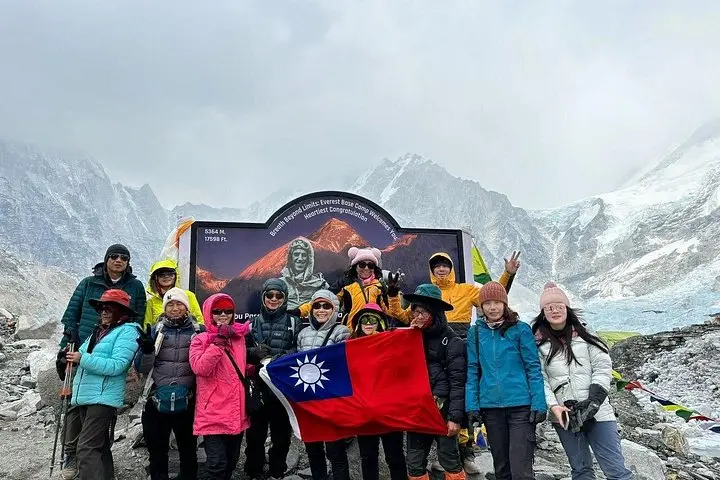
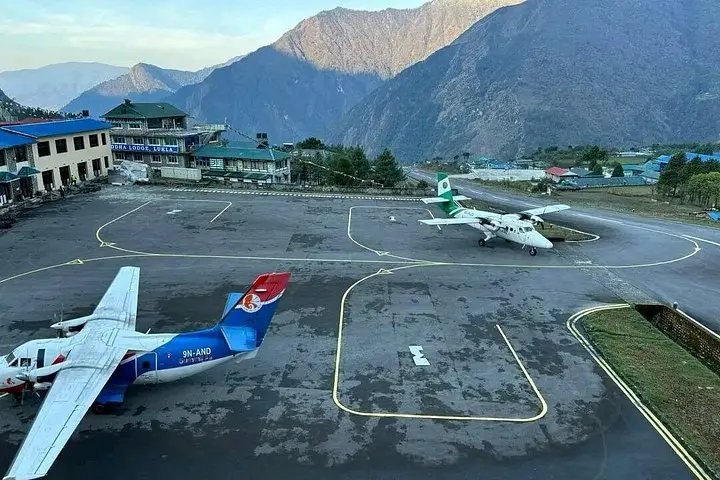
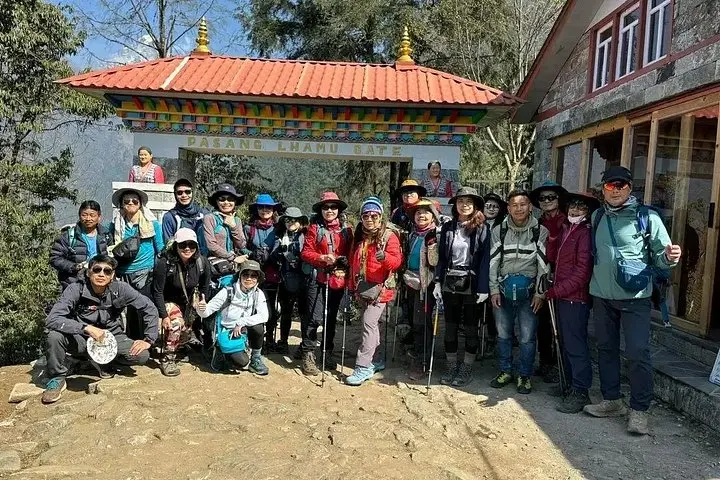
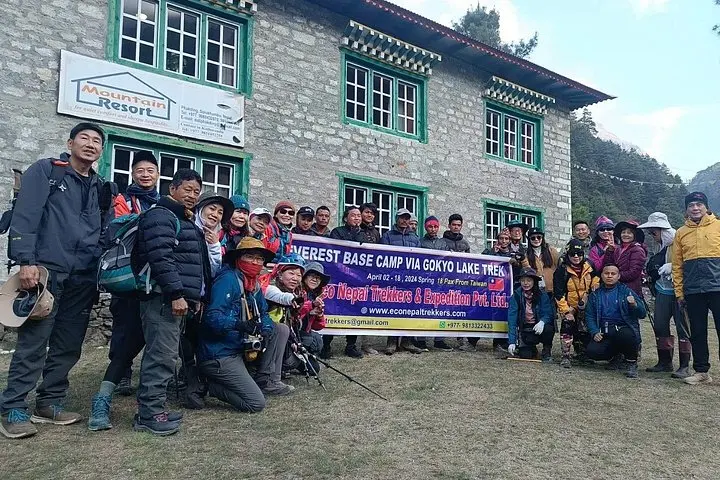
A thin, cold light edges the ridgelines as walkers tighten bootlaces in Lukla and step onto a path flanked by prayer flags and chortens. Day by day the air thins, rhododendron woods give way to alpine meadows, and the Khumbu Glacier’s moraines begin to dominate the horizon. By the time the group reaches Gorak Shep, Everest looms like a living wall—white, jagged, uncompromising.
A thin, cold light edges the ridgelines as walkers tighten bootlaces in Lukla and step onto a path flanked by prayer flags and chortens. Day by day the air thins, rhododendron woods give way to alpine meadows, and the Khumbu Glacier’s moraines begin to dominate the horizon. By the time the group reaches Gorak Shep, Everest looms like a living wall—white, jagged, uncompromising.
This 14‑day itinerary moves through the heart of Sagarmatha National Park (a UNESCO site since 1979), tracing geological drama carved by tectonic uplift and glacial flow. Trails run along lateral moraines, cross braided glacial streams, and climb toward viewpoints such as Kala Patthar (≈5,545 m) that deliver unrivaled sunrises on Everest, Lhotse and Nuptse. Along the route, Sherpa villages—Namche Bazaar, Tengboche, Dingboche—offer cultural pauses: monasteries, butter‑lamp rituals, and markets stocked with local tea and barley flour staples.
Practical planning is decisive: acclimatization days in Namche and Dingboche are non‑negotiable, permits (TIMS and Sagarmatha NP) are required, and flights to/from Lukla are weather‑dependent. Expect daily hikes of 4–6 hours on rocky, steep terrain; thin air amplifies effort. Hydrate, eat often, layer for large diurnal swings, and respect turnaround decisions for altitude sickness. Porters are commonly used to carry luggage; still carry a daypack with essentials. This is an expedition‑style trek that rewards careful preparation with some of the most direct, raw mountain encounters on Earth.