THE ADVENTURE COLLECTIVE® · Independent discovery and booking for outdoor travel

A classic high-altitude itinerary from Kathmandu to Kala Patthar and Everest Base Camp, this 14-day trek combines Sherpa culture, glacial landscapes and demanding day hikes. Plan for acclimatization days, weather-dependent Lukla flights, and basic teahouse accommodations.
A classic high-altitude itinerary from Kathmandu to Kala Patthar and Everest Base Camp, this 14-day trek combines Sherpa culture, glacial landscapes and demanding day hikes. Plan for acclimatization days, weather-dependent Lukla flights, and basic teahouse accommodations.
Dawn light slices across slate ridgelines as you step off the tiny Lukla airstrip and the Himalaya immediately takes the lead — a sharp, white chorus of peaks that demand attention. The trail follows the Dudh Kosi through rhododendron forests, crosses suspension bridges threaded with prayer flags, and climbs into the thin, bright air where each breath is a small victory.
Verified experiences and guided adventures in the surrounding area.
Operated by Ace the Himalaya · Lukla, Province No. 1
Dawn light slices across slate ridgelines as you step off the tiny Lukla airstrip and the Himalaya immediately takes the lead — a sharp, white chorus of peaks that demand attention. The trail follows the Dudh Kosi through rhododendron forests, crosses suspension bridges threaded with prayer flags, and climbs into the thin, bright air where each breath is a small victory.
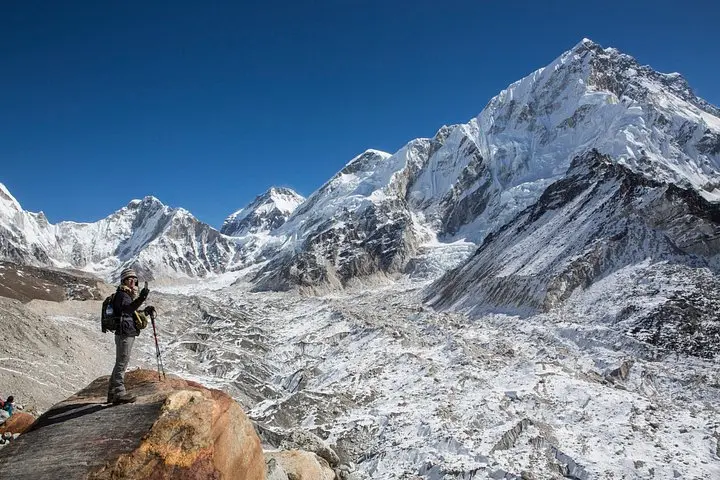
This route retraces the approaches used by early expeditions and the Sherpa communities who guided them; Sir Edmund Hillary and Tenzing Norgay put this landscape on the map in 1953. Geologically the trek skirts the Khumbu Glacier and climbs moraines and glacial outwash, giving close-up views of Everest, Lhotse and Nuptse. Cultural markers — mani stones, chortens, and monastery bells at Tengboche — punctuate the ascent and reflect deep Buddhist practice and Sherpa hospitality.
Expect long days of uphill walking, built-in acclimatization stops in Namche and Dingboche, and basic twin-share guesthouses along the route. The toughest efforts come at Lobuche and the summit-like push to Everest Base Camp and Kala Patthar; both require steady pacing and respect for altitude. Practicalities: permits for Sagarmatha National Park, a 15 kg domestic luggage limit, and the Lukla flight window that’s weather-dependent. Bring layered clothing for wide daily temperature swings, quality boots for rocky moraine and occasional icy patches, and carry cash — card access is limited. Guides, porters and village teahouse systems make the logistics manageable, but good conditioning and altitude awareness are non-negotiable.
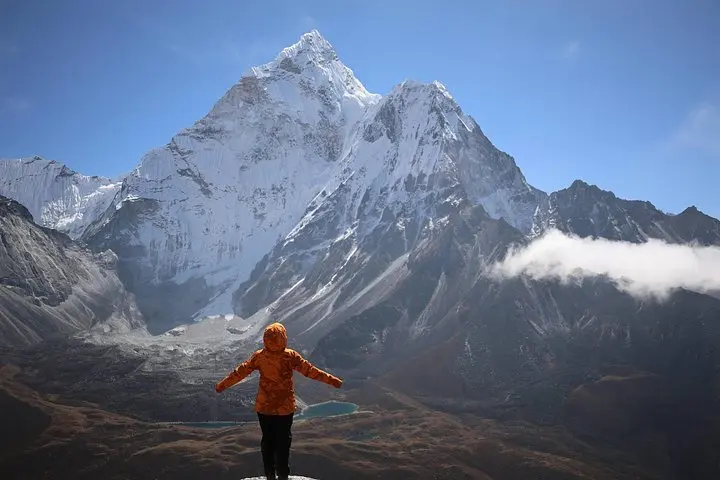
When planned well, the trek delivers uncompromised mountain panoramas, cultural encounters, and a clear sense of how raw and alive the high Himalaya can feel.
No technical climbing skills are required for the standard trek to Base Camp; the route is strenuous and high-altitude but non-technical.
Pre-monsoon (March–May) and post-monsoon (late September–November) offer the most stable weather and clear mountain views.
You need a Sagarmatha National Park permit and a TIMS card; your operator typically arranges these before or on arrival in Kathmandu.
Lukla flights are scenic but weather-dependent; backups include a drive to Manthali and alternate schedules — expect possible delays and flexible plans.
Ace the Himalaya operates guided outdoor trips and adventures with an emphasis on safety, stewardship, and memorable experiences.
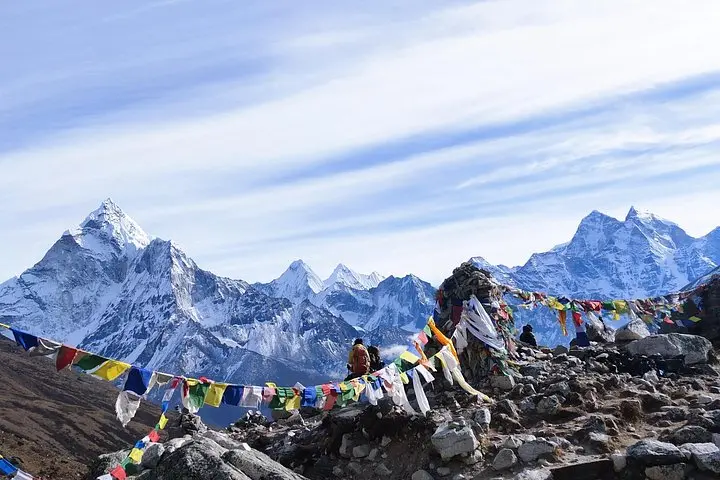
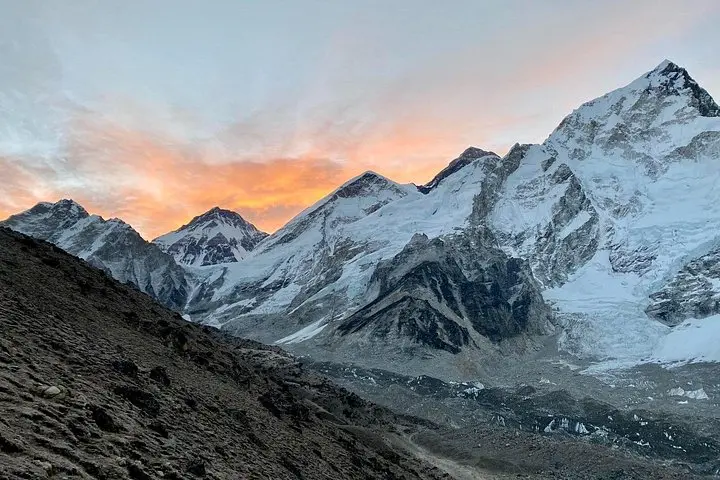
Dawn light slices across slate ridgelines as you step off the tiny Lukla airstrip and the Himalaya immediately takes the lead — a sharp, white chorus of peaks that demand attention. The trail follows the Dudh Kosi through rhododendron forests, crosses suspension bridges threaded with prayer flags, and climbs into the thin, bright air where each breath is a small victory.
Dawn light slices across slate ridgelines as you step off the tiny Lukla airstrip and the Himalaya immediately takes the lead — a sharp, white chorus of peaks that demand attention. The trail follows the Dudh Kosi through rhododendron forests, crosses suspension bridges threaded with prayer flags, and climbs into the thin, bright air where each breath is a small victory.
This route retraces the approaches used by early expeditions and the Sherpa communities who guided them; Sir Edmund Hillary and Tenzing Norgay put this landscape on the map in 1953. Geologically the trek skirts the Khumbu Glacier and climbs moraines and glacial outwash, giving close-up views of Everest, Lhotse and Nuptse. Cultural markers — mani stones, chortens, and monastery bells at Tengboche — punctuate the ascent and reflect deep Buddhist practice and Sherpa hospitality.
Expect long days of uphill walking, built-in acclimatization stops in Namche and Dingboche, and basic twin-share guesthouses along the route. The toughest efforts come at Lobuche and the summit-like push to Everest Base Camp and Kala Patthar; both require steady pacing and respect for altitude. Practicalities: permits for Sagarmatha National Park, a 15 kg domestic luggage limit, and the Lukla flight window that’s weather-dependent. Bring layered clothing for wide daily temperature swings, quality boots for rocky moraine and occasional icy patches, and carry cash — card access is limited. Guides, porters and village teahouse systems make the logistics manageable, but good conditioning and altitude awareness are non-negotiable.
When planned well, the trek delivers uncompromised mountain panoramas, cultural encounters, and a clear sense of how raw and alive the high Himalaya can feel.