THE ADVENTURE COLLECTIVE® · Independent discovery and booking for outdoor travel

Walk from Lukla to Everest Base Camp over 14 days, crossing suspension bridges and high alpine villages while acclimatizing in Namche and Dingboche. This route mixes Sherpa culture, Sagarmatha National Park geology and panoramic summit views from Kala Patthar.
Walk from Lukla to Everest Base Camp over 14 days, crossing suspension bridges and high alpine villages while acclimatizing in Namche and Dingboche. This route mixes Sherpa culture, Sagarmatha National Park geology and panoramic summit views from Kala Patthar.
The morning flight into Lukla drops you onto a short runway carved from the hillside, and within minutes the trail pulls you into a world of prayer flags, river-thunder and rock-streaked glaciers. You walk with the Dudh Kosi at your side, cross suspension bridges that sway like searching hands, and climb through trading villages where yak bells mark time.
Verified experiences and guided adventures in the surrounding area.
Operated by Nepal Hiking Trek · Lukla, Province No. 1
The morning flight into Lukla drops you onto a short runway carved from the hillside, and within minutes the trail pulls you into a world of prayer flags, river-thunder and rock-streaked glaciers. You walk with the Dudh Kosi at your side, cross suspension bridges that sway like searching hands, and climb through trading villages where yak bells mark time.
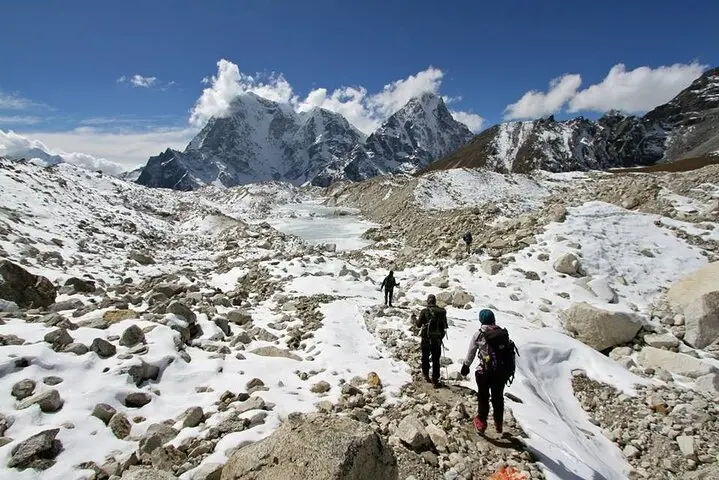
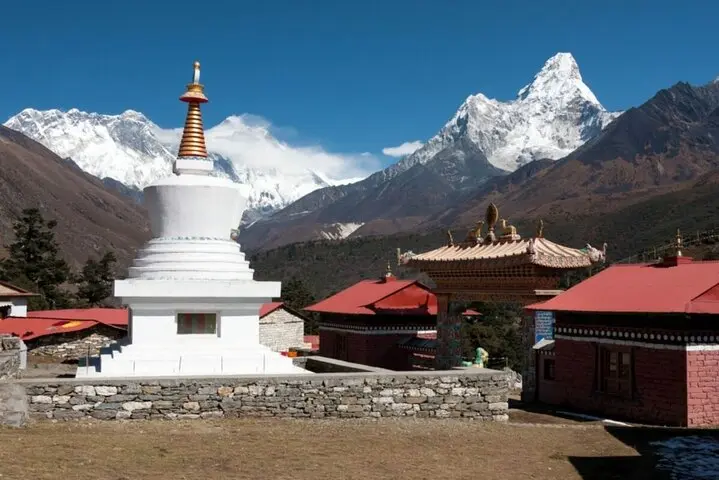
This route threads through Sagarmatha National Park, a UNESCO-protected swath of the high Himalayas shaped by the collision of the Indian and Eurasian plates. Sherpa communities and Buddhist monasteries punctuate the journey; Tengboche and Pangboche offer ritual, home baking and local craft. Geology is visible at every step: moraine-scarred valleys, glacier-fed streams and vertical flanks that point to the region’s tectonic fury.
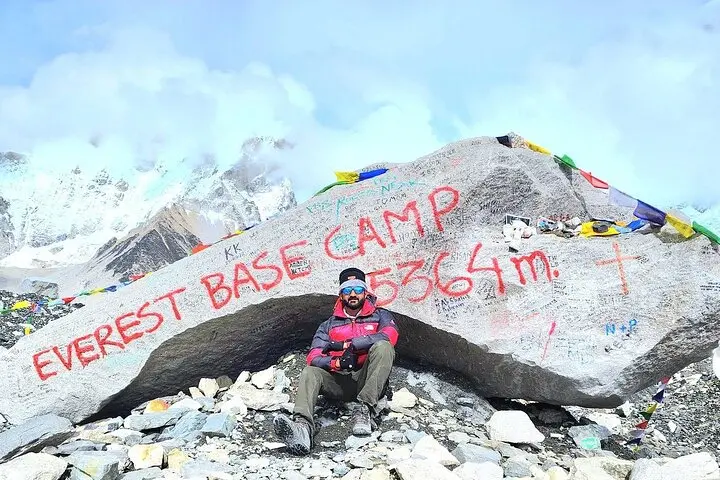
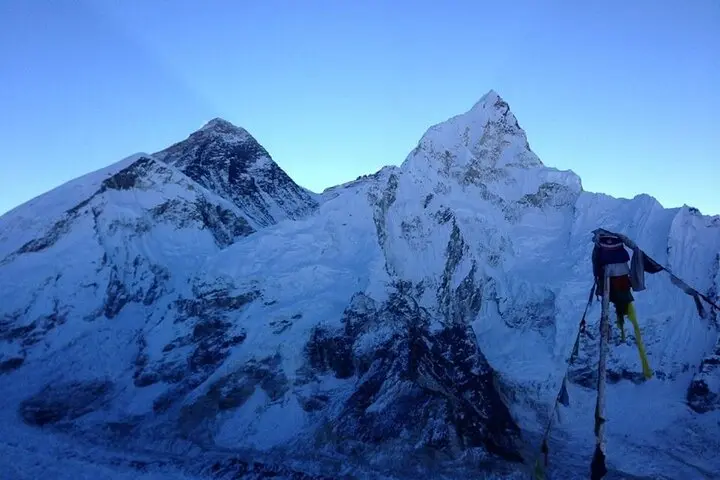
Expect a practical rhythm: short, steady days (3–6 hours walking) to aid acclimatization, with key rests in Namche Bazaar and Dingboche. The highlight is a slow approach to Everest Base Camp (≈5,280 m) and an early-morning ascent of Kala Patthar (≈5,545 m) for uncompromising summit views.
Plan for altitude first — hydration, conservative pacing and an extra rest day if needed. Footwear should be broken in, and layers are essential: temperatures swing wildly between sun and wind. Travel in pre-monsoon spring or autumn for clearer skies; winter is cold and quieter, monsoon brings snow and reduced visibility.
Logistics: flights to/from Lukla are weather-dependent, permits for Sagarmatha are required, teahouse stays are the norm, and local guides and porters reduce risk and support acclimatization. This is a demanding, deeply rewarding high-altitude trek that asks for patience as much as stamina.
Yes—Sagarmatha National Park permit and TIMS card are required; guides or agencies typically arrange them prior to departure.
Pre-monsoon spring (March–May) and autumn (September–November) provide the most stable skies and milder weather; winter is colder and monsoon brings heavy precipitation and clouds.
The route is physically demanding due to elevation gain—expect altitude-related symptoms; acclimatization, slow ascent and awareness of AMS signs are critical.
No—flights are weather-dependent; operators recommend buffer days in Kathmandu for potential delays or reroutes via Ramechap.
Nepal Hiking Trek operates guided outdoor trips and adventures with an emphasis on safety, stewardship, and memorable experiences.
The morning flight into Lukla drops you onto a short runway carved from the hillside, and within minutes the trail pulls you into a world of prayer flags, river-thunder and rock-streaked glaciers. You walk with the Dudh Kosi at your side, cross suspension bridges that sway like searching hands, and climb through trading villages where yak bells mark time.
The morning flight into Lukla drops you onto a short runway carved from the hillside, and within minutes the trail pulls you into a world of prayer flags, river-thunder and rock-streaked glaciers. You walk with the Dudh Kosi at your side, cross suspension bridges that sway like searching hands, and climb through trading villages where yak bells mark time.
This route threads through Sagarmatha National Park, a UNESCO-protected swath of the high Himalayas shaped by the collision of the Indian and Eurasian plates. Sherpa communities and Buddhist monasteries punctuate the journey; Tengboche and Pangboche offer ritual, home baking and local craft. Geology is visible at every step: moraine-scarred valleys, glacier-fed streams and vertical flanks that point to the region’s tectonic fury.
Expect a practical rhythm: short, steady days (3–6 hours walking) to aid acclimatization, with key rests in Namche Bazaar and Dingboche. The highlight is a slow approach to Everest Base Camp (≈5,280 m) and an early-morning ascent of Kala Patthar (≈5,545 m) for uncompromising summit views.
Plan for altitude first — hydration, conservative pacing and an extra rest day if needed. Footwear should be broken in, and layers are essential: temperatures swing wildly between sun and wind. Travel in pre-monsoon spring or autumn for clearer skies; winter is cold and quieter, monsoon brings snow and reduced visibility.
Logistics: flights to/from Lukla are weather-dependent, permits for Sagarmatha are required, teahouse stays are the norm, and local guides and porters reduce risk and support acclimatization. This is a demanding, deeply rewarding high-altitude trek that asks for patience as much as stamina.