THE ADVENTURE COLLECTIVE® · Independent discovery and booking for outdoor travel

A classic high-altitude trek through Sherpa country to Everest Base Camp and Kala Patthar. This 14-day Khumbu route combines glacier views, monastery culture and careful acclimatization for a challenging, unforgettable ascent of experience rather than summit.
A classic high-altitude trek through Sherpa country to Everest Base Camp and Kala Patthar. This 14-day Khumbu route combines glacier views, monastery culture and careful acclimatization for a challenging, unforgettable ascent of experience rather than summit.
You step off the short, dramatic flight into Lukla and the air seems to thin with purpose—prayer flags snap overhead and the trail drops away into a series of ridgelines that lead you toward Everest itself.
Verified experiences and guided adventures in the surrounding area.
Operated by Welcome Nepal Treks P.ltd · Lukla, Province No. 1
You step off the short, dramatic flight into Lukla and the air seems to thin with purpose—prayer flags snap overhead and the trail drops away into a series of ridgelines that lead you toward Everest itself.
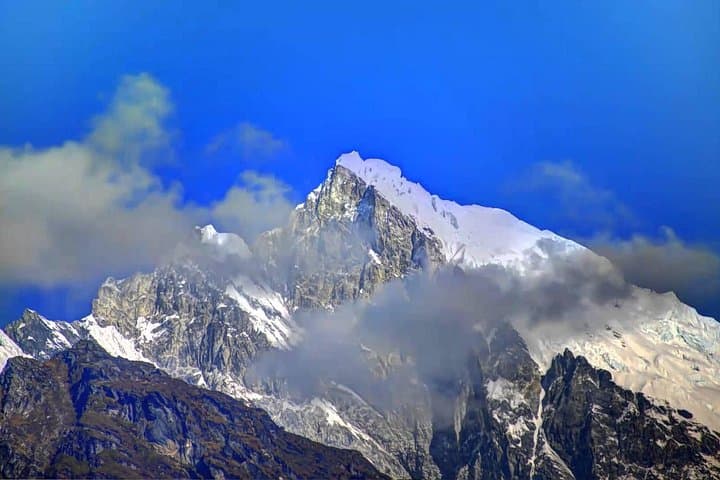
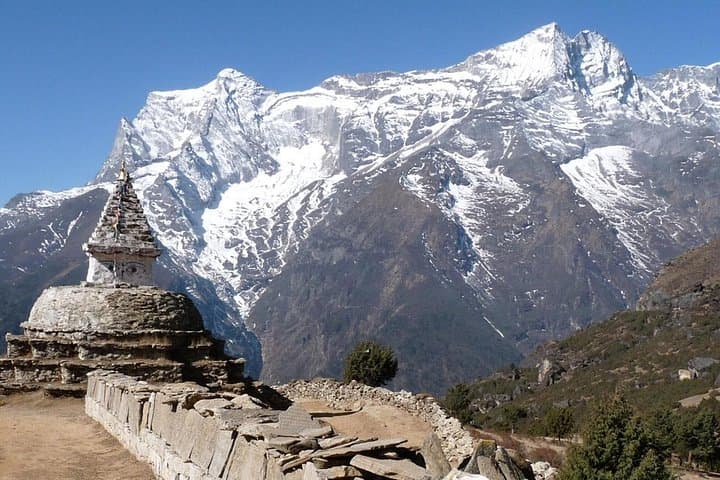
The route threads Sherpa villages, mani walls and high alpine basins. Historically the Khumbu became a corridor for trade between Tibet and Nepal and later the world’s climbers; the modern trek follows stone steps and glacier-polished moraine left by the Himalaya’s slow, powerful sculpting. Tengboche Monastery, perched on a ridge, keeps watch; the glaciers below push forward like slow machines, revealing moraine, icefalls and the Khumbu Glacier at the base of the upper route.
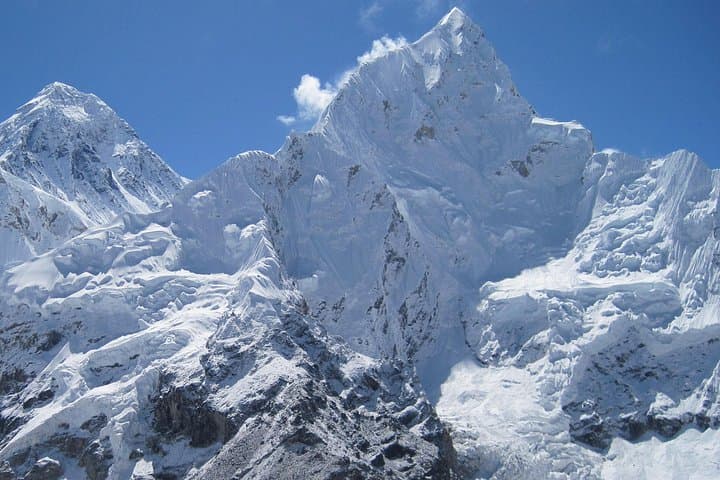
Culture is tangible: tea-house hospitality, Buddhist prayer wheels, and the patient economy of porters and lodges that service walkers. Expect sweeping views from Kala Patthar at sunrise, a rocky outcrop that offers the clearest silhouette of Everest and its neighboring summits.
Practical guidance: this is a 14-day itinerary with multiple acclimatization stops (Namche, Dingboche) and daily walking that ranges from short, steep pushes to long, rocky stretches—expect 4–7 hours on many days and a high-point at 5,545m (Kala Patthar). Hydration, layered insulation and pacing are essential; altitude, not distance, is the primary challenge. Carry a reliable water treatment method, warm down layers for pre-dawn summits, and sturdy waterproof boots with good ankle support. Permits (TIMS and Sagarmatha National Park) are required; flights to/from Lukla are weather-dependent, so allow buffer days. Respect local waste guidelines and tip support staff fairly—their steady work makes the journey possible.
Yes—Trekkers need a TIMS card and a Sagarmatha National Park permit; these are typically arranged by your outfitter or obtainable in Kathmandu.
This itinerary is 14 days with a high point of roughly 5,545 m at Kala Patthar; Everest Base Camp itself sits around 5,364 m.
No—flights are weather-dependent; cancellations are common and operators may reschedule, add buffer days, or (at extra cost) arrange helicopter transfers.
Acute Mountain Sickness is a real risk—use staged acclimatization, recognize symptoms early, descend if they worsen, and consider medication like acetazolamide under medical advice.
Welcome Nepal Treks P.ltd operates guided outdoor trips and adventures with an emphasis on safety, stewardship, and memorable experiences.
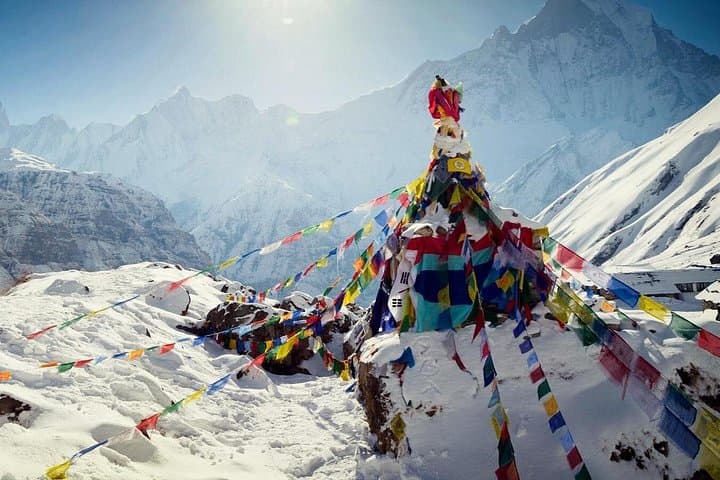
You step off the short, dramatic flight into Lukla and the air seems to thin with purpose—prayer flags snap overhead and the trail drops away into a series of ridgelines that lead you toward Everest itself.
You step off the short, dramatic flight into Lukla and the air seems to thin with purpose—prayer flags snap overhead and the trail drops away into a series of ridgelines that lead you toward Everest itself.
The route threads Sherpa villages, mani walls and high alpine basins. Historically the Khumbu became a corridor for trade between Tibet and Nepal and later the world’s climbers; the modern trek follows stone steps and glacier-polished moraine left by the Himalaya’s slow, powerful sculpting. Tengboche Monastery, perched on a ridge, keeps watch; the glaciers below push forward like slow machines, revealing moraine, icefalls and the Khumbu Glacier at the base of the upper route.
Culture is tangible: tea-house hospitality, Buddhist prayer wheels, and the patient economy of porters and lodges that service walkers. Expect sweeping views from Kala Patthar at sunrise, a rocky outcrop that offers the clearest silhouette of Everest and its neighboring summits.
Practical guidance: this is a 14-day itinerary with multiple acclimatization stops (Namche, Dingboche) and daily walking that ranges from short, steep pushes to long, rocky stretches—expect 4–7 hours on many days and a high-point at 5,545m (Kala Patthar). Hydration, layered insulation and pacing are essential; altitude, not distance, is the primary challenge. Carry a reliable water treatment method, warm down layers for pre-dawn summits, and sturdy waterproof boots with good ankle support. Permits (TIMS and Sagarmatha National Park) are required; flights to/from Lukla are weather-dependent, so allow buffer days. Respect local waste guidelines and tip support staff fairly—their steady work makes the journey possible.