THE ADVENTURE COLLECTIVE® · Independent discovery and booking for outdoor travel

Walk from Lukla to Kala Patthar and Everest Base Camp over 12–14 days, crossing Sagarmatha National Park and Sherpa villages. This high-altitude trek mixes geological drama, living mountain culture, and carefully paced acclimatization.
Walk from Lukla to Kala Patthar and Everest Base Camp over 12–14 days, crossing Sagarmatha National Park and Sherpa villages. This high-altitude trek mixes geological drama, living mountain culture, and carefully paced acclimatization.
You step off the tiny plane at Lukla and the world tilts: prayer flags snap in a thin air that already tastes of rock and snow. The trail follows the Dudh Kosi, threading through villages built on terraces and forests that open suddenly to glaciers and teeth of granite. Each morning the peaks push the horizon farther; each evening tea-house lamps pull the valley back into human scale.
Verified experiences and guided adventures in the surrounding area.
Operated by Well Plan Trekking · Namche Bazaar, Solukhumbu District
You step off the tiny plane at Lukla and the world tilts: prayer flags snap in a thin air that already tastes of rock and snow. The trail follows the Dudh Kosi, threading through villages built on terraces and forests that open suddenly to glaciers and teeth of granite. Each morning the peaks push the horizon farther; each evening tea-house lamps pull the valley back into human scale.
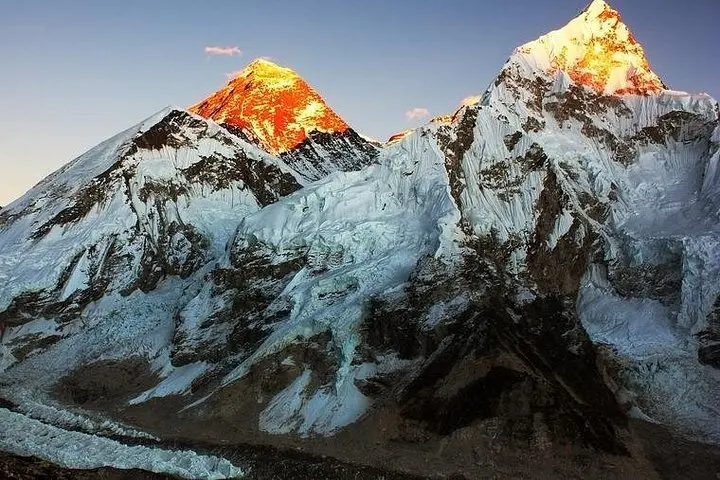
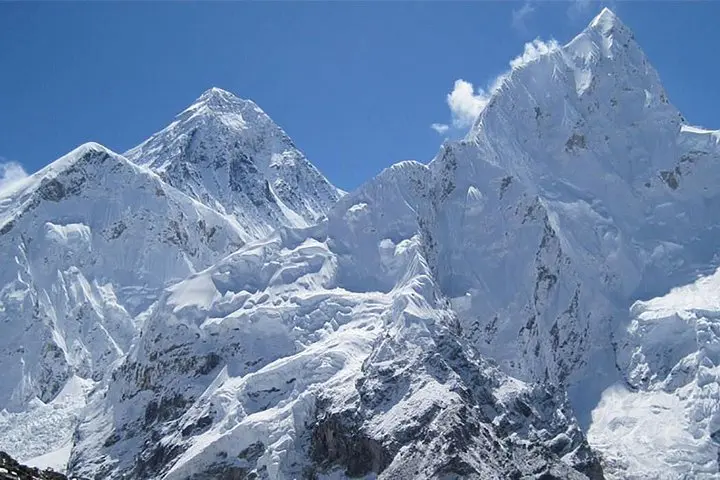
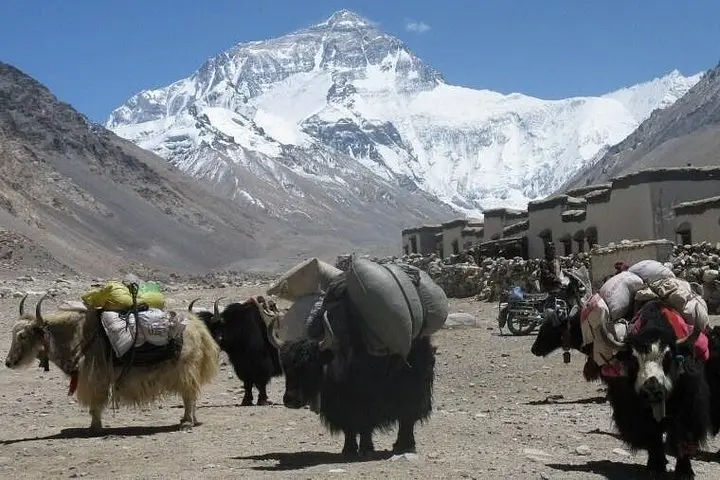
The route runs through Sagarmatha National Park, a protected landscape created to conserve high-altitude ecosystems and Sherpa culture. Geological forces pushed these summits skyward over millions of years; you walk moraine, river terraces, and rocky switchbacks shaped by glacial melt. Namche Bazaar, a Sherpa market and acclimatization hub, keeps the human side of the route lively—markets, monasteries and the occasional yak caravan animate the trail.
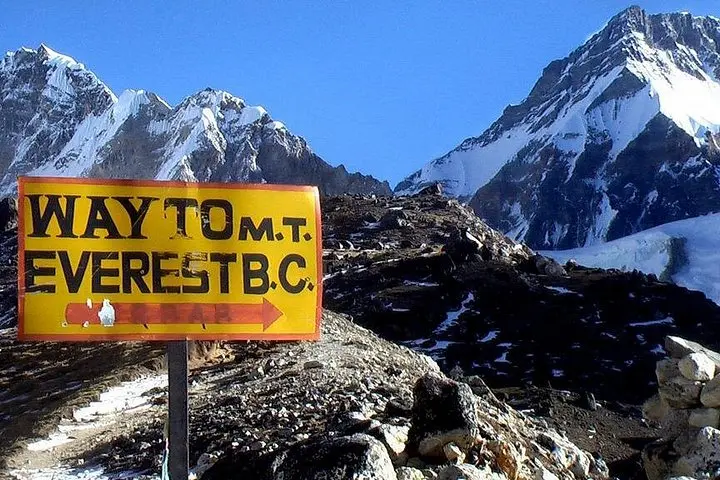
Expect 12–14 days of walking with two scheduled acclimatization days (Namche, Dingboche). Elevation climbs from Lukla (~2,830 m) to Kala Patthar (~5,545 m) and Everest Base Camp (~5,364 m) involve long uphill days, loose rock near the glacier, and moraine travel on the final approach. Weather changes fast: early flights to Lukla are common and afternoons can blow in with snow.
Practical edge: pace your ascent—short, frequent breaks and 3–4 liters of daily hydration help. Sturdy leather boots, layered insulation, a warm sleeping bag, and a headlamp make the nights comfortable. Book buffer days for flight delays and carry cash for lodges, permit fees, and tea-house extras.
Yes—Sagarmatha National Park entry and TIMS trekking permits are required and usually arranged by your operator.
Lukla has a short uphill runway and variable weather; operators schedule early flights when conditions are safest and include buffer days for cancellations.
Fit beginners can complete the route with guided support and proper acclimatization, but expect challenging days above 4,000 m.
Acute mountain sickness is the primary risk; ascend slowly, hydrate, avoid alcohol, and descend immediately if symptoms worsen.
Well Plan Trekking operates guided outdoor trips and adventures with an emphasis on safety, stewardship, and memorable experiences.
You step off the tiny plane at Lukla and the world tilts: prayer flags snap in a thin air that already tastes of rock and snow. The trail follows the Dudh Kosi, threading through villages built on terraces and forests that open suddenly to glaciers and teeth of granite. Each morning the peaks push the horizon farther; each evening tea-house lamps pull the valley back into human scale.
You step off the tiny plane at Lukla and the world tilts: prayer flags snap in a thin air that already tastes of rock and snow. The trail follows the Dudh Kosi, threading through villages built on terraces and forests that open suddenly to glaciers and teeth of granite. Each morning the peaks push the horizon farther; each evening tea-house lamps pull the valley back into human scale.
The route runs through Sagarmatha National Park, a protected landscape created to conserve high-altitude ecosystems and Sherpa culture. Geological forces pushed these summits skyward over millions of years; you walk moraine, river terraces, and rocky switchbacks shaped by glacial melt. Namche Bazaar, a Sherpa market and acclimatization hub, keeps the human side of the route lively—markets, monasteries and the occasional yak caravan animate the trail.
Expect 12–14 days of walking with two scheduled acclimatization days (Namche, Dingboche). Elevation climbs from Lukla (~2,830 m) to Kala Patthar (~5,545 m) and Everest Base Camp (~5,364 m) involve long uphill days, loose rock near the glacier, and moraine travel on the final approach. Weather changes fast: early flights to Lukla are common and afternoons can blow in with snow.
Practical edge: pace your ascent—short, frequent breaks and 3–4 liters of daily hydration help. Sturdy leather boots, layered insulation, a warm sleeping bag, and a headlamp make the nights comfortable. Book buffer days for flight delays and carry cash for lodges, permit fees, and tea-house extras.