THE ADVENTURE COLLECTIVE® · Independent discovery and booking for outdoor travel

A 14-day, high-altitude trek from Kathmandu to Everest Base Camp that combines steep ascents, Sherpa culture, glacier views and essential acclimatization days. Expect long hiking days, a Lukla flight, and rustic teahouse stays.
A 14-day, high-altitude trek from Kathmandu to Everest Base Camp that combines steep ascents, Sherpa culture, glacier views and essential acclimatization days. Expect long hiking days, a Lukla flight, and rustic teahouse stays.
The trail begins before dawn in Lukla, where a short, heart-steadying flight drops you into the high Khumbu. From the jolt of the aircraft to the hush of rhododendron forests and the crunch of moraine underfoot, the landscape keeps shifting — from river-stepped valleys to wind-scoured, glacial plains.
Verified experiences and guided adventures in the surrounding area.
Operated by Nepal Nirvana Trails · Lukla, Province No. 1
The trail begins before dawn in Lukla, where a short, heart-steadying flight drops you into the high Khumbu. From the jolt of the aircraft to the hush of rhododendron forests and the crunch of moraine underfoot, the landscape keeps shifting — from river-stepped valleys to wind-scoured, glacial plains.
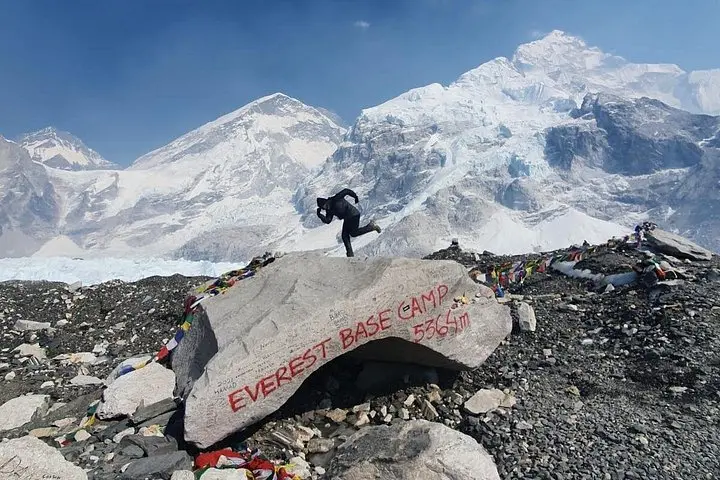
The route follows the Dudh Koshi and climbs through Sherpa villages like Namche Bazaar and Tengboche, passing monasteries and mani walls that mark local faith and history. Geologically, the region is young: uplifted Himalayan strata, active glaciers and the Khumbu Icefall carve the route and create the dramatic peaks that dominate the skyline, including Everest, Lhotse and Ama Dablam.
Sherpa culture is visible in stone teahouses, prayer flags, and the rhythms of yak caravans. Expect simple lodgings, communal dinners and days paced for acclimatization — crucial above 3,000 m.
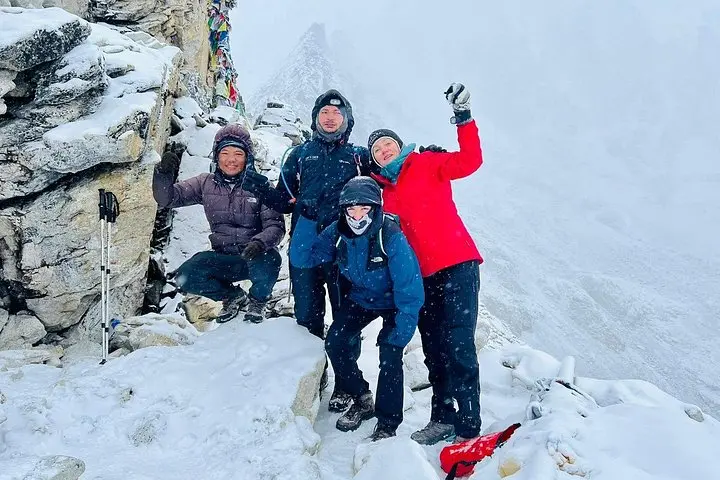
Practically, the trek is a high-altitude, multi-day expedition that requires steady fitness, layered clothing and careful hydration. Key logistical points: a short domestic flight to Lukla, four to six hours of hiking on many days, two acclimatization stops (Namche and Dingboche), an early morning ascent to Kala Patthar for summit views, and return via Lukla to Kathmandu.
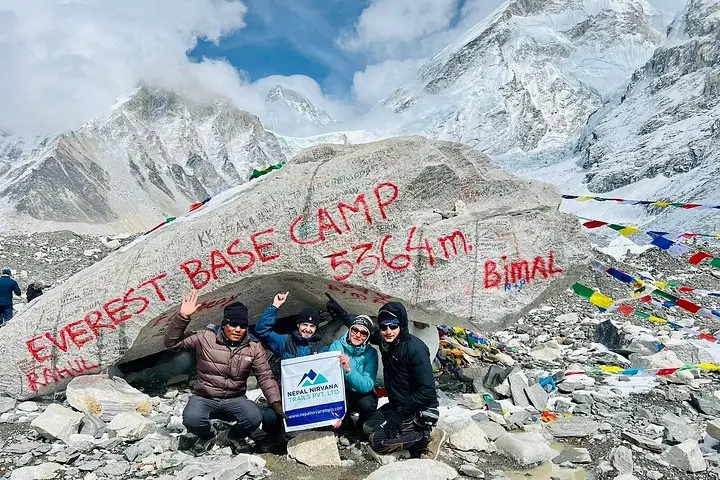
Bring sun protection, rigid walking poles, gaiters for rocky sections and patience: weather and flights to/from Lukla can shift plans. The reward is close-up glacier views, culturally rich villages and the rare achievement of standing in the shadow of the world's highest mountain.
It’s demanding but achievable with prior fitness training, strict acclimatization, and a reputable guide; medical screening is recommended.
Flights cancel in poor visibility, high winds or heavy snowfall; operators usually rebook the next flyable day and you should budget extra time in Kathmandu.
Teahouses provide basic private rooms or dorms, shared facilities, and simple meals — expect rustic comfort focused on warmth and rest.
Yes — TIMS card and Sagarmatha National Park entry permit are required and typically arranged by the operator.
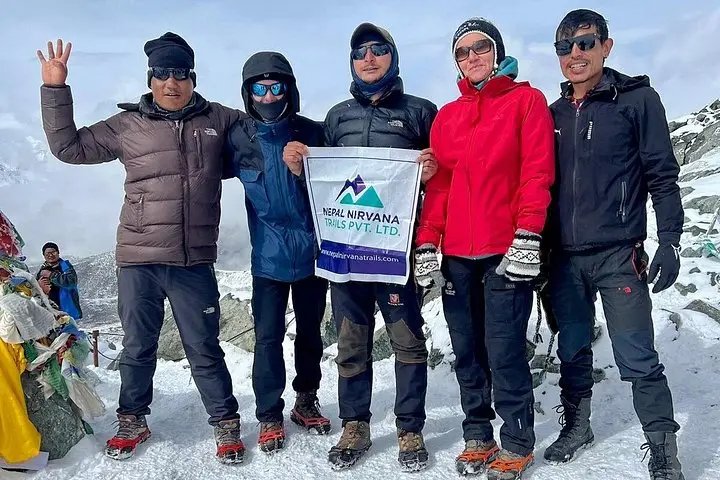
Nepal Nirvana Trails operates guided outdoor trips and adventures with an emphasis on safety, stewardship, and memorable experiences.
The trail begins before dawn in Lukla, where a short, heart-steadying flight drops you into the high Khumbu. From the jolt of the aircraft to the hush of rhododendron forests and the crunch of moraine underfoot, the landscape keeps shifting — from river-stepped valleys to wind-scoured, glacial plains.
The trail begins before dawn in Lukla, where a short, heart-steadying flight drops you into the high Khumbu. From the jolt of the aircraft to the hush of rhododendron forests and the crunch of moraine underfoot, the landscape keeps shifting — from river-stepped valleys to wind-scoured, glacial plains.
The route follows the Dudh Koshi and climbs through Sherpa villages like Namche Bazaar and Tengboche, passing monasteries and mani walls that mark local faith and history. Geologically, the region is young: uplifted Himalayan strata, active glaciers and the Khumbu Icefall carve the route and create the dramatic peaks that dominate the skyline, including Everest, Lhotse and Ama Dablam.
Sherpa culture is visible in stone teahouses, prayer flags, and the rhythms of yak caravans. Expect simple lodgings, communal dinners and days paced for acclimatization — crucial above 3,000 m.
Practically, the trek is a high-altitude, multi-day expedition that requires steady fitness, layered clothing and careful hydration. Key logistical points: a short domestic flight to Lukla, four to six hours of hiking on many days, two acclimatization stops (Namche and Dingboche), an early morning ascent to Kala Patthar for summit views, and return via Lukla to Kathmandu.
Bring sun protection, rigid walking poles, gaiters for rocky sections and patience: weather and flights to/from Lukla can shift plans. The reward is close-up glacier views, culturally rich villages and the rare achievement of standing in the shadow of the world's highest mountain.