THE ADVENTURE COLLECTIVE® · Independent discovery and booking for outdoor travel

A high-altitude classic: the 14-night Everest Base Camp trek links Lukla’s cliffside runway to the raw moraine and prayer flags at Everest’s foothills. Plan for significant elevation gain, unpredictable Lukla flights and essential acclimatization days.
A high-altitude classic: the 14-night Everest Base Camp trek links Lukla’s cliffside runway to the raw moraine and prayer flags at Everest’s foothills. Plan for significant elevation gain, unpredictable Lukla flights and essential acclimatization days.
You step out of Lukla’s thin-air morning into a trail that pushes upward through rhododendron groves and prayer-flagged bridges. Wind and river conspire: the Dudh Koshi dares you across suspension spans as the path carves higher, and the mountains—Everest, Lhotse, Ama Dablam—loom like patient giants watching each step.
Verified experiences and guided adventures in the surrounding area.
Operated by Explore Himalaya Travel and Adventure · Lukla, Province No. 1
You step out of Lukla’s thin-air morning into a trail that pushes upward through rhododendron groves and prayer-flagged bridges. Wind and river conspire: the Dudh Koshi dares you across suspension spans as the path carves higher, and the mountains—Everest, Lhotse, Ama Dablam—loom like patient giants watching each step.
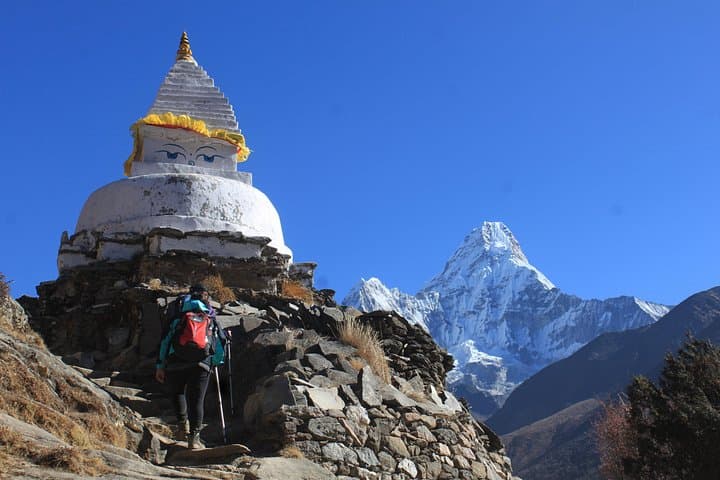
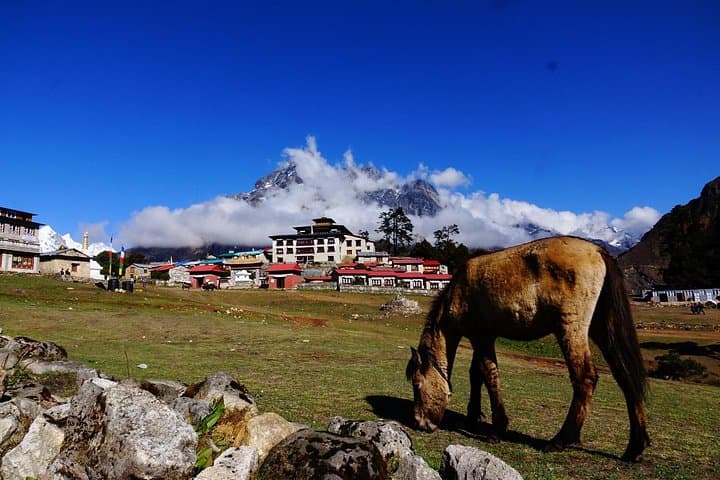
The route threads through Sagarmatha National Park, a UNESCO-protected landscape shaped by glacial moraine and high-altitude geology. Sherpa culture is constant company—stone mani walls, remote monasteries, and villages where teahouses double as social hubs. Historically this corridor became a global route after the 1953 ascent of Everest by Edmund Hillary and Tenzing Norgay; today it’s both pilgrimage and expedition support trail.
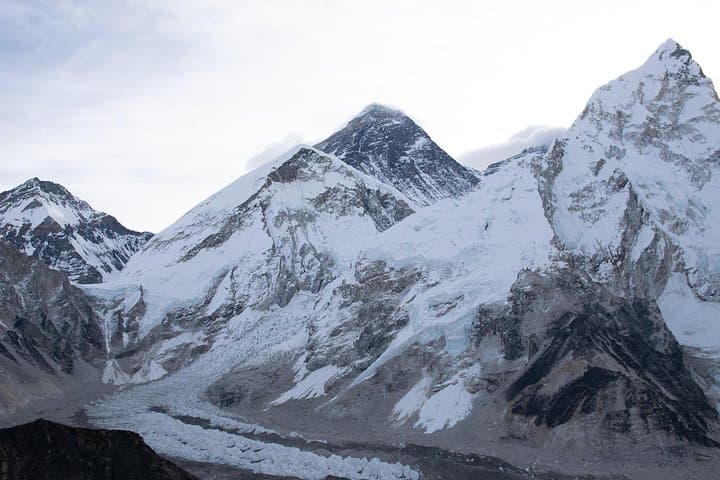
Expect mixed terrain: forested switchbacks (2,800–3,500 m), exposed high pass approaches, and rocky moraine near Base Camp. Cumulative distance for the classic Lukla–EBC round trip is roughly 130 km with net elevation gain from ~2,860 m (Lukla) to 5,364 m (Everest Base Camp) and maximum day-to-day altitude changes that demand careful pacing.
Practical guidance: build acclimatization days into your schedule, hydrate early and often, and prioritize footwear with good ankle support for wet, rocky trails. Morning flights to/from Lukla are weather-dependent—allow buffer days or plan alternatives if air travel is delayed. Carry layered clothing, a warm sleeping bag, and basic first-aid for altitude symptoms; rely on experienced guides and porters for logistics.
This trek is an exercise in slow altitude gain, cultural exchange, and elemental terrain—rewarding for those who prepare for its physical and logistical challenges.
Typical itineraries are 13–16 days from Kathmandu including Lukla flights; this product runs 15 days (14 nights) to allow acclimatization and buffer for weather delays.
No technical climbing skills or equipment are required—the route is a high-altitude hike, not a glacier climb, though local guides manage route details.
Acute Mountain Sickness can occur; reputable operators schedule acclimatization days, monitor symptoms, and can evacuate by helicopter if needed.
Most packages include teahouse lodges during the trek with three meals a day; bring snacks and cash for drinks, tips, and hot showers.
Explore Himalaya Travel and Adventure operates guided outdoor trips and adventures with an emphasis on safety, stewardship, and memorable experiences.

You step out of Lukla’s thin-air morning into a trail that pushes upward through rhododendron groves and prayer-flagged bridges. Wind and river conspire: the Dudh Koshi dares you across suspension spans as the path carves higher, and the mountains—Everest, Lhotse, Ama Dablam—loom like patient giants watching each step.
You step out of Lukla’s thin-air morning into a trail that pushes upward through rhododendron groves and prayer-flagged bridges. Wind and river conspire: the Dudh Koshi dares you across suspension spans as the path carves higher, and the mountains—Everest, Lhotse, Ama Dablam—loom like patient giants watching each step.
The route threads through Sagarmatha National Park, a UNESCO-protected landscape shaped by glacial moraine and high-altitude geology. Sherpa culture is constant company—stone mani walls, remote monasteries, and villages where teahouses double as social hubs. Historically this corridor became a global route after the 1953 ascent of Everest by Edmund Hillary and Tenzing Norgay; today it’s both pilgrimage and expedition support trail.
Expect mixed terrain: forested switchbacks (2,800–3,500 m), exposed high pass approaches, and rocky moraine near Base Camp. Cumulative distance for the classic Lukla–EBC round trip is roughly 130 km with net elevation gain from ~2,860 m (Lukla) to 5,364 m (Everest Base Camp) and maximum day-to-day altitude changes that demand careful pacing.
Practical guidance: build acclimatization days into your schedule, hydrate early and often, and prioritize footwear with good ankle support for wet, rocky trails. Morning flights to/from Lukla are weather-dependent—allow buffer days or plan alternatives if air travel is delayed. Carry layered clothing, a warm sleeping bag, and basic first-aid for altitude symptoms; rely on experienced guides and porters for logistics.
This trek is an exercise in slow altitude gain, cultural exchange, and elemental terrain—rewarding for those who prepare for its physical and logistical challenges.