THE ADVENTURE COLLECTIVE® · Independent discovery and booking for outdoor travel

Fly into Lukla, follow classic Sherpa trails through Namche and Dingboche, and climb to Everest Base Camp and Kala Patthar with a local Sherpa guide. This 15–18 day trek balances acclimatization, cultural stops and high-altitude views.
Fly into Lukla, follow classic Sherpa trails through Namche and Dingboche, and climb to Everest Base Camp and Kala Patthar with a local Sherpa guide. This 15–18 day trek balances acclimatization, cultural stops and high-altitude views.
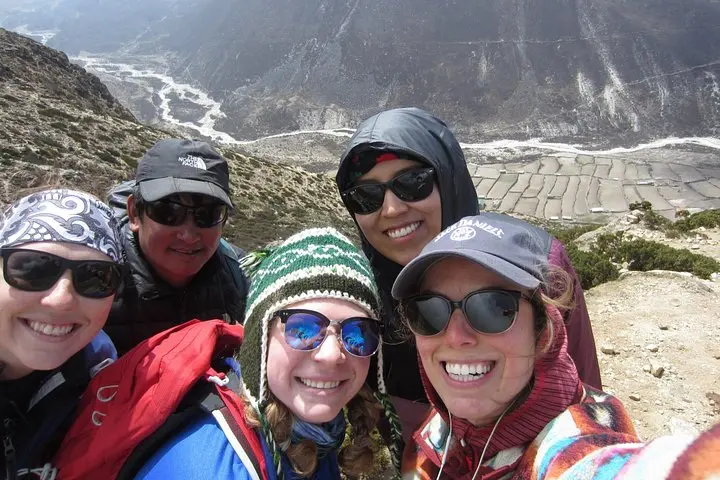
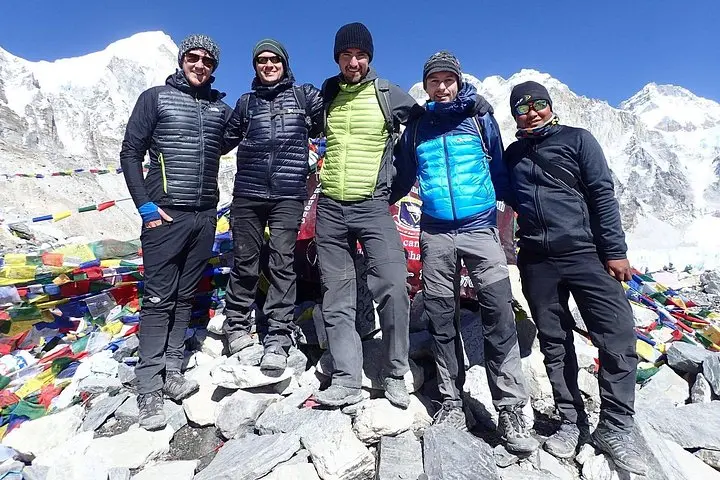
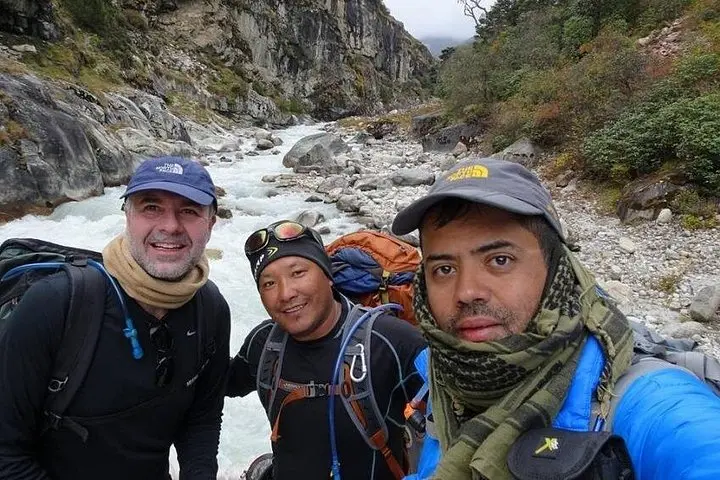
The single-engine plane drops you into a pocket of altitude and prayer flags — Lukla's runway is the first sharp breath of this journey, and the trail immediately pulls you into steep switchbacks, rhododendron forests and the steady rhythm of Sherpa villages. Days alternate between wooded climbs and open ridgelines where the range asserts itself: glaciers grind and the south face of Everest looms like weathered stone reaching for sky. Rivers dare you to cross on suspension bridges; winds push you toward higher camps.
Verified experiences and guided adventures in the surrounding area.
Operated by Mountain Sherpa Trekking & Expeditions · Lukla, Solukhumbu District
The single-engine plane drops you into a pocket of altitude and prayer flags — Lukla's runway is the first sharp breath of this journey, and the trail immediately pulls you into steep switchbacks, rhododendron forests and the steady rhythm of Sherpa villages. Days alternate between wooded climbs and open ridgelines where the range asserts itself: glaciers grind and the south face of Everest looms like weathered stone reaching for sky. Rivers dare you to cross on suspension bridges; winds push you toward higher camps.
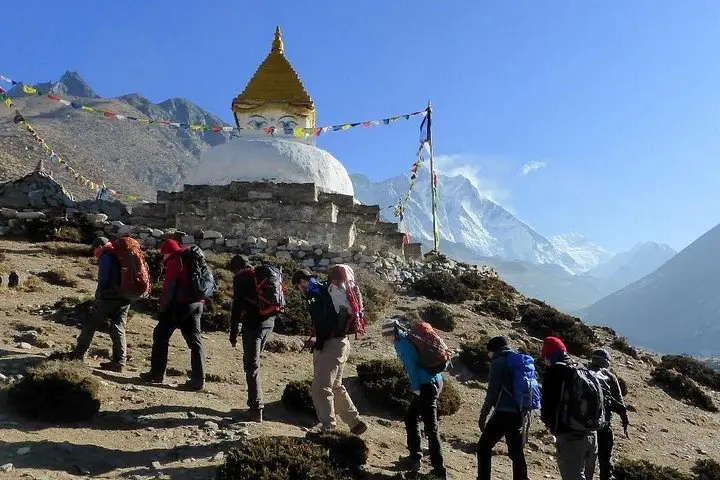
This route follows the same trails that supported early expeditions in the 1950s and runs through Solu-Khumbu, a landscape created by the collision of the Indian and Eurasian plates. The Sherpa culture here is central — monasteries like Tengboche are active, high-altitude hubs of prayer and community. Local teahouses offer basic lodgings and hot meals, and many conservation initiatives now manage waste and trekking permits to protect fragile alpine zones.
Practically: allow 2–3 acclimatization days (Namche Bazaar, Dingboche), plan for 5,000+ m altitude, and expect 5–8 hours walking on typical trekking days. Flights to/from Lukla are weather-dependent — build buffer days. Carry layered insulation, sun protection, a reliable water-treatment method and small-denomination Nepalese rupees for teahouses. Guides and porters make the logistics manageable, but altitude remains the primary risk: recognize symptoms early, prioritize acclimatization, and be prepared to turn back for safety. Follow local guidance, leave no trace, and the trail will deliver one of the most direct encounters with Everest’s scale and Sherpa life.
No—EBC is a trekking route that requires fitness and acclimatization but not technical mountaineering skills; guides handle logistics.
You need the TIMS card and the Sagarmatha National Park permit, both arranged by your operator or obtainable in Kathmandu/Lukla checkpoints.
Pre-monsoon (March–May) and post-monsoon (late September–November) offer the most stable weather and clear views.
Acute mountain sickness is a real risk above 3,000 m; gradual ascent, hydration, and planned acclimatization days reduce risk—descend immediately if symptoms worsen.
Mountain Sherpa Trekking & Expeditions operates guided outdoor trips and adventures with an emphasis on safety, stewardship, and memorable experiences.
The single-engine plane drops you into a pocket of altitude and prayer flags — Lukla's runway is the first sharp breath of this journey, and the trail immediately pulls you into steep switchbacks, rhododendron forests and the steady rhythm of Sherpa villages. Days alternate between wooded climbs and open ridgelines where the range asserts itself: glaciers grind and the south face of Everest looms like weathered stone reaching for sky. Rivers dare you to cross on suspension bridges; winds push you toward higher camps.
The single-engine plane drops you into a pocket of altitude and prayer flags — Lukla's runway is the first sharp breath of this journey, and the trail immediately pulls you into steep switchbacks, rhododendron forests and the steady rhythm of Sherpa villages. Days alternate between wooded climbs and open ridgelines where the range asserts itself: glaciers grind and the south face of Everest looms like weathered stone reaching for sky. Rivers dare you to cross on suspension bridges; winds push you toward higher camps.
This route follows the same trails that supported early expeditions in the 1950s and runs through Solu-Khumbu, a landscape created by the collision of the Indian and Eurasian plates. The Sherpa culture here is central — monasteries like Tengboche are active, high-altitude hubs of prayer and community. Local teahouses offer basic lodgings and hot meals, and many conservation initiatives now manage waste and trekking permits to protect fragile alpine zones.
Practically: allow 2–3 acclimatization days (Namche Bazaar, Dingboche), plan for 5,000+ m altitude, and expect 5–8 hours walking on typical trekking days. Flights to/from Lukla are weather-dependent — build buffer days. Carry layered insulation, sun protection, a reliable water-treatment method and small-denomination Nepalese rupees for teahouses. Guides and porters make the logistics manageable, but altitude remains the primary risk: recognize symptoms early, prioritize acclimatization, and be prepared to turn back for safety. Follow local guidance, leave no trace, and the trail will deliver one of the most direct encounters with Everest’s scale and Sherpa life.