THE ADVENTURE COLLECTIVE® · Independent discovery and booking for outdoor travel

Fly into Lukla, follow the Sherpa trail through Namche and Tengboche, and stand at Everest Base Camp before climbing Kala Patthar for sunrise views of Everest. This 15-day tea-house trek balances acclimatization with unforgettable Himalayan scenery.
Fly into Lukla, follow the Sherpa trail through Namche and Tengboche, and stand at Everest Base Camp before climbing Kala Patthar for sunrise views of Everest. This 15-day tea-house trek balances acclimatization with unforgettable Himalayan scenery.
The trail opens with the crack of a Lukla runway and a rush of mountain air that seems to push you forward. From Kathmandu’s bustle you fly into a raw highland: rice terraces give way to rhododendron stands, suspension bridges whistle over the Dudh Koshi, and the path climbs through Sherpa villages that line the doorway to the world’s highest peaks.
Verified experiences and guided adventures in the surrounding area.
Operated by Life Himalaya Trekking · Gorak Shep, Province No. 1
The trail opens with the crack of a Lukla runway and a rush of mountain air that seems to push you forward. From Kathmandu’s bustle you fly into a raw highland: rice terraces give way to rhododendron stands, suspension bridges whistle over the Dudh Koshi, and the path climbs through Sherpa villages that line the doorway to the world’s highest peaks.
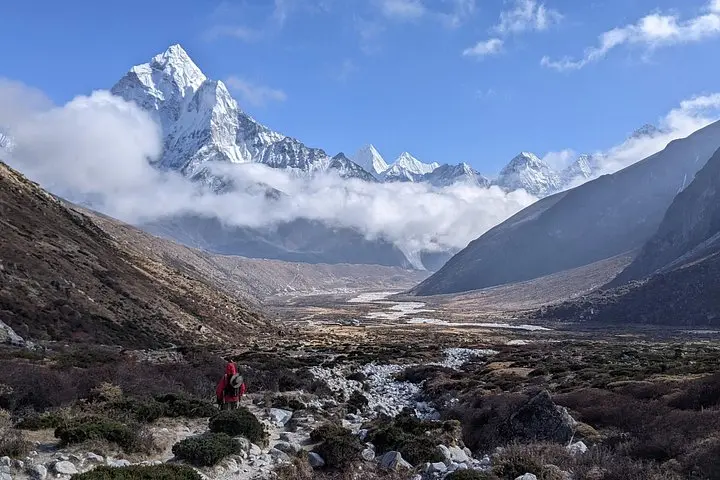
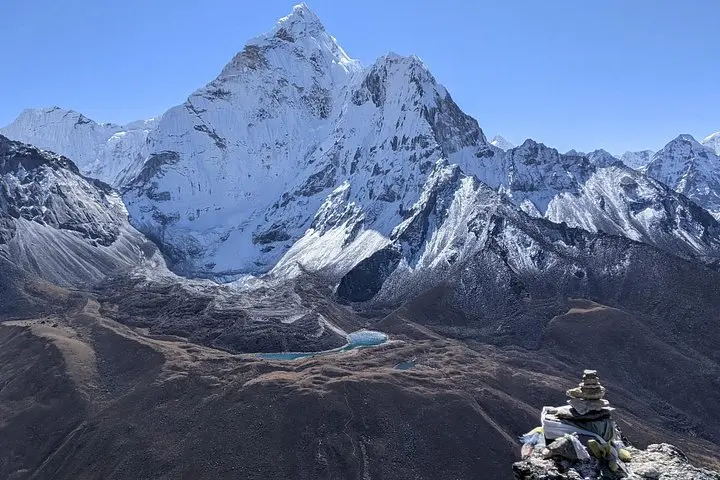
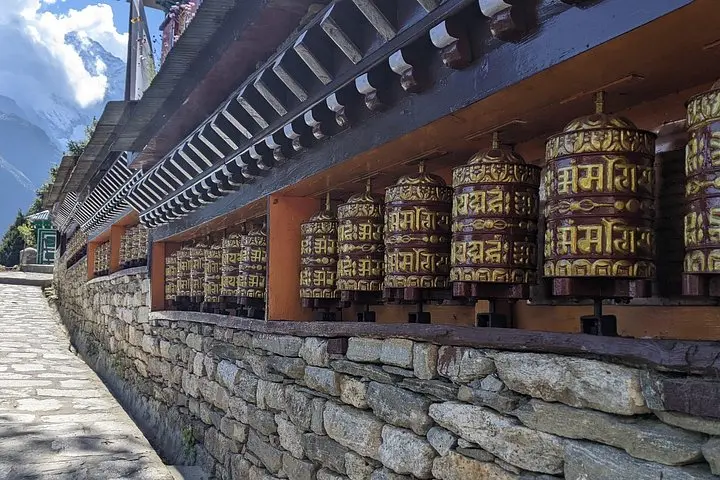
That doorway sits inside Sagarmatha National Park, a UNESCO World Heritage Site established to protect the Khumbu’s glacial valleys and unique alpine ecology. Geology here is dramatic—folded metamorphic rock, moraine-carved valleys and the grinding tongue of the Khumbu Glacier shape trails and viewpoints. Sherpa culture is visible in mani walls, prayer flags, and monasteries like Tengboche, where morning prayers frame Ama Dablam and Everest itself.
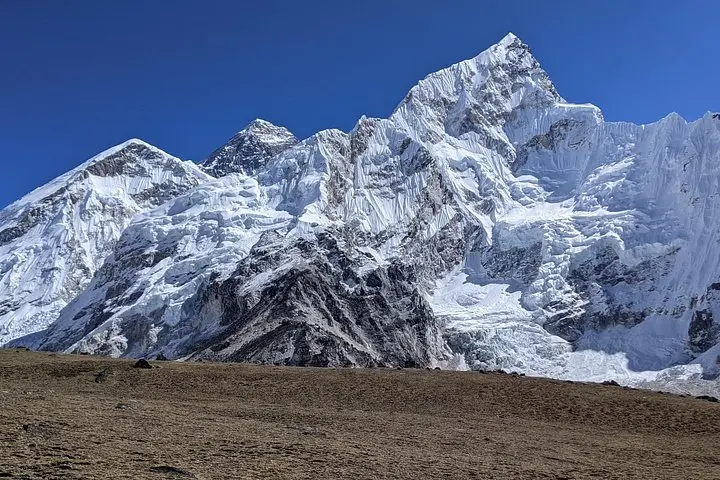
On this 14–15 day tea-house trek, expect steady ascents, two planned acclimatization days (Namche, Dingboche), a flight into Lukla, and a final push to Gorak Shep before the walk out to Everest Base Camp (5,364 m). The pre-dawn hike to Kala Patthar (≈5,545 m) rewards walkers with the clearest panoramas of Everest, Lhotse and Nuptse.
Practical guidance: pace yourself, follow the itinerary’s acclimatization schedule, and keep daily hydration and calories high. Lodges provide simple cooked meals and a bed, but nights are cold—layering and a good sleeping bag matter. Weather turns fast above 4,000 m; plan flexible return flights and travel insurance that covers high-altitude evacuation. With the right preparation, the trek is demanding yet immensely attainable for fit, altitude-aware hikers.
No specialized mountaineering gear is required for the standard EBC tea-house trek; the route is trekking terrain, not a technical climb.
Expect 4–7 hours of walking on main trekking days, with shorter acclimatization hikes on rest days; distances vary between 8–18 km depending on the stage.
Most villages have intermittent cellular coverage and paid charging stations in lodges; service improves at larger stops like Namche but is limited in higher settlements.
You need Sagarmatha National Park permit and TIMS; the operator arranges these, but carry passport copies and printed permits while trekking.
Life Himalaya Trekking operates guided outdoor trips and adventures with an emphasis on safety, stewardship, and memorable experiences.
The trail opens with the crack of a Lukla runway and a rush of mountain air that seems to push you forward. From Kathmandu’s bustle you fly into a raw highland: rice terraces give way to rhododendron stands, suspension bridges whistle over the Dudh Koshi, and the path climbs through Sherpa villages that line the doorway to the world’s highest peaks.
The trail opens with the crack of a Lukla runway and a rush of mountain air that seems to push you forward. From Kathmandu’s bustle you fly into a raw highland: rice terraces give way to rhododendron stands, suspension bridges whistle over the Dudh Koshi, and the path climbs through Sherpa villages that line the doorway to the world’s highest peaks.
That doorway sits inside Sagarmatha National Park, a UNESCO World Heritage Site established to protect the Khumbu’s glacial valleys and unique alpine ecology. Geology here is dramatic—folded metamorphic rock, moraine-carved valleys and the grinding tongue of the Khumbu Glacier shape trails and viewpoints. Sherpa culture is visible in mani walls, prayer flags, and monasteries like Tengboche, where morning prayers frame Ama Dablam and Everest itself.
On this 14–15 day tea-house trek, expect steady ascents, two planned acclimatization days (Namche, Dingboche), a flight into Lukla, and a final push to Gorak Shep before the walk out to Everest Base Camp (5,364 m). The pre-dawn hike to Kala Patthar (≈5,545 m) rewards walkers with the clearest panoramas of Everest, Lhotse and Nuptse.
Practical guidance: pace yourself, follow the itinerary’s acclimatization schedule, and keep daily hydration and calories high. Lodges provide simple cooked meals and a bed, but nights are cold—layering and a good sleeping bag matter. Weather turns fast above 4,000 m; plan flexible return flights and travel insurance that covers high-altitude evacuation. With the right preparation, the trek is demanding yet immensely attainable for fit, altitude-aware hikers.