THE ADVENTURE COLLECTIVE® · Independent discovery and booking for outdoor travel

Traverse Sherpa villages, glacier moraines and high alpine ridges on a 15-day guided trek to Everest Base Camp and Kala Patthar. This route combines cultural immersion, careful acclimatization, and unforgettable high-mountain viewpoints.
Traverse Sherpa villages, glacier moraines and high alpine ridges on a 15-day guided trek to Everest Base Camp and Kala Patthar. This route combines cultural immersion, careful acclimatization, and unforgettable high-mountain viewpoints.
A raw dawn in the Khumbu paints prayer flags silver as a short, jittery flight from Kathmandu drops you into Lukla’s tiny airstrip. Cold, thin air carries the scent of yak butter and wood smoke; the trail immediately threads rivers, suspension bridges, and Sherpa villages that seem to climb toward the sky.
Verified experiences and guided adventures in the surrounding area.
Operated by Adventure Great Himalaya Trek and Expedition · Lukla, Province No. 1
A raw dawn in the Khumbu paints prayer flags silver as a short, jittery flight from Kathmandu drops you into Lukla’s tiny airstrip. Cold, thin air carries the scent of yak butter and wood smoke; the trail immediately threads rivers, suspension bridges, and Sherpa villages that seem to climb toward the sky.
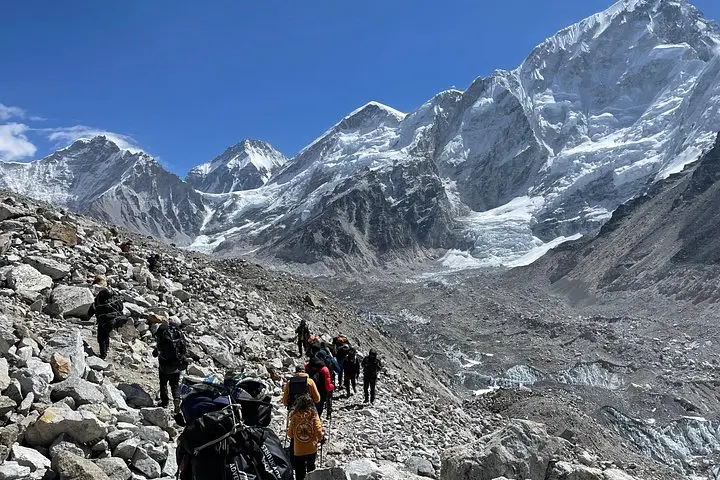
This 15-day itinerary moves through Sagarmatha National Park—Nepal’s high-altitude reserve and a UNESCO World Heritage site—following the Dudh Koshi and Imja Khola valleys. Geologically, you’ll pass moraine fields and the Khumbu Glacier, a living river of ice carved by millennia of uplift. Sherpa culture is present at every teahouse and monastery: mani walls, prayer wheels, and the warm pragmatism of people adapted to life above 3,000 meters.
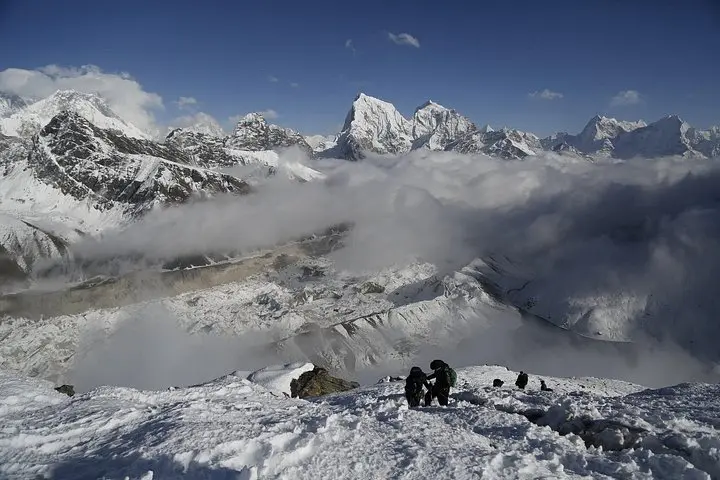
Expect steady ascents with daily gains of 300–700 meters on rough, rocky trails; the itinerary tops out at Kala Patthar (5,545 m) and reaches Base Camp (5,364 m). Lodges and tea-houses provide three meals daily and a chance to rest—porters carry heavier loads, and basic sleeping bags are supplied.
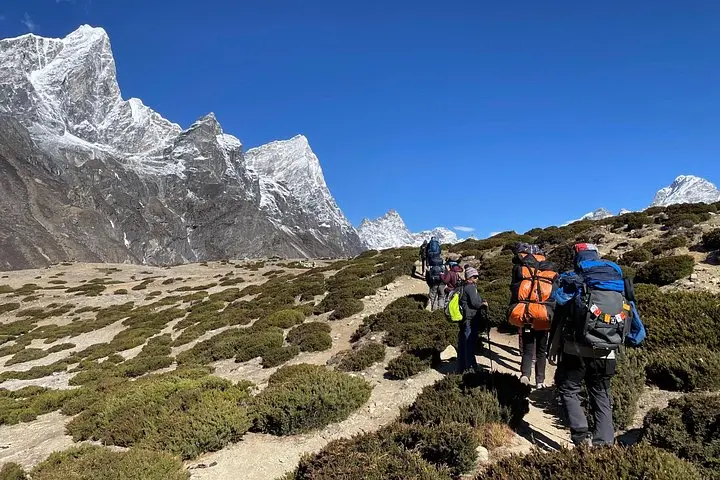
Practical guidance: slow your pace and prioritize acclimatization days in Namche and Dingboche; hydration and salt intake matter. Footwear should be broken-in, with crampon-compatible boots for icy patches in shoulder seasons. Morning flights to and from Lukla are weather-dependent—plan buffer days. Respect local customs and pack out what you bring in where lodges ask you to.
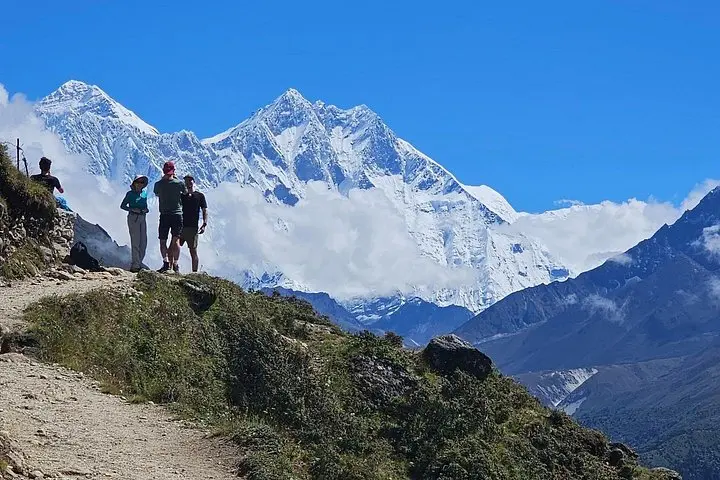
This trek is as much about rhythm as reward: measured steps, high-altitude patience, and the sudden, uncompromising view of Everest when the clouds part.
No—this is a non-technical trekking route; crampons can help in icy conditions but rope, harness, and glacier-travel gear are not required for the standard EBC trek.
Lukla flights are weather-dependent; the itinerary includes a contingency day in Kathmandu to accommodate delays or cancellations.
Ascend slowly, hydrate, avoid alcohol, use rest days for acclimatization, and carry basic meds like acetazolamide after consulting a physician.
Teahouse standards vary—expect shared dining rooms, basic private rooms with shared bathrooms, and limited heating; bring warm sleeping layers.
Adventure Great Himalaya Trek and Expedition operates guided outdoor trips and adventures with an emphasis on safety, stewardship, and memorable experiences.
A raw dawn in the Khumbu paints prayer flags silver as a short, jittery flight from Kathmandu drops you into Lukla’s tiny airstrip. Cold, thin air carries the scent of yak butter and wood smoke; the trail immediately threads rivers, suspension bridges, and Sherpa villages that seem to climb toward the sky.
A raw dawn in the Khumbu paints prayer flags silver as a short, jittery flight from Kathmandu drops you into Lukla’s tiny airstrip. Cold, thin air carries the scent of yak butter and wood smoke; the trail immediately threads rivers, suspension bridges, and Sherpa villages that seem to climb toward the sky.
This 15-day itinerary moves through Sagarmatha National Park—Nepal’s high-altitude reserve and a UNESCO World Heritage site—following the Dudh Koshi and Imja Khola valleys. Geologically, you’ll pass moraine fields and the Khumbu Glacier, a living river of ice carved by millennia of uplift. Sherpa culture is present at every teahouse and monastery: mani walls, prayer wheels, and the warm pragmatism of people adapted to life above 3,000 meters.
Expect steady ascents with daily gains of 300–700 meters on rough, rocky trails; the itinerary tops out at Kala Patthar (5,545 m) and reaches Base Camp (5,364 m). Lodges and tea-houses provide three meals daily and a chance to rest—porters carry heavier loads, and basic sleeping bags are supplied.
Practical guidance: slow your pace and prioritize acclimatization days in Namche and Dingboche; hydration and salt intake matter. Footwear should be broken-in, with crampon-compatible boots for icy patches in shoulder seasons. Morning flights to and from Lukla are weather-dependent—plan buffer days. Respect local customs and pack out what you bring in where lodges ask you to.
This trek is as much about rhythm as reward: measured steps, high-altitude patience, and the sudden, uncompromising view of Everest when the clouds part.