THE ADVENTURE COLLECTIVE® · Independent discovery and booking for outdoor travel

A classic 15-day trek from Lukla to Everest Base Camp and Kala Patthar, this route pairs demanding altitude with world-class mountain views and Sherpa cultural stops. Read on for what to expect, how to prepare, and on-the-trail tips.
A classic 15-day trek from Lukla to Everest Base Camp and Kala Patthar, this route pairs demanding altitude with world-class mountain views and Sherpa cultural stops. Read on for what to expect, how to prepare, and on-the-trail tips.
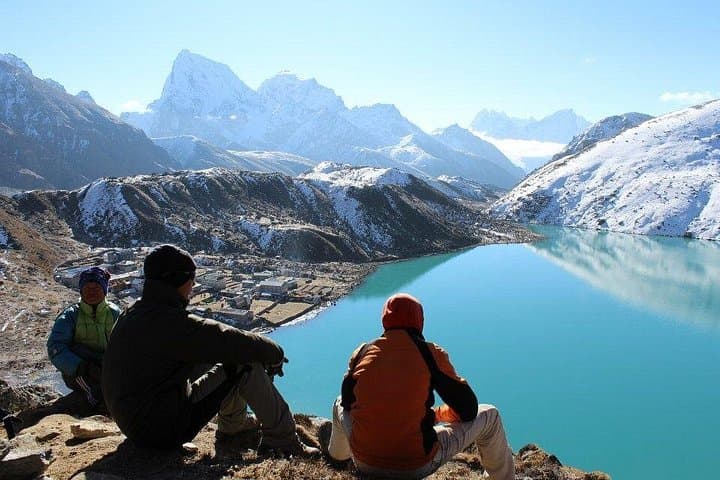
The plane drops you into Lukla and the valley exhales—cold, thin air that sharpens every sense. Trails thread along the Dudh Koshi, crossing swinging bridges and climbing through rhododendron forests until stone teahouses in Namche Bazaar appear like relief stations in an otherworldly landscape.
Verified experiences and guided adventures in the surrounding area.
Operated by Welcome Nepal Treks P.ltd · Lukla, Province No. 1
The plane drops you into Lukla and the valley exhales—cold, thin air that sharpens every sense. Trails thread along the Dudh Koshi, crossing swinging bridges and climbing through rhododendron forests until stone teahouses in Namche Bazaar appear like relief stations in an otherworldly landscape.
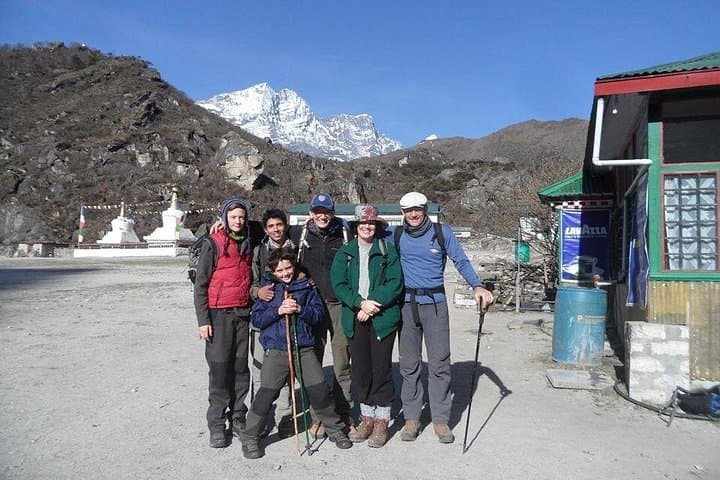
This route follows routes used by Sherpa traders and mountaineering expeditions for generations. Geologically, you walk on rocks lifted by the ongoing collision of the Indian and Eurasian plates; the Khumbu Glacier carves the valley below and leaves moraines that change shape year by year. Culturally, the trek is dominated by Sherpa villages and Buddhist monasteries—Tengboche and Khumjung are living hubs of prayer flags, mani stones and Himalayan hospitality.
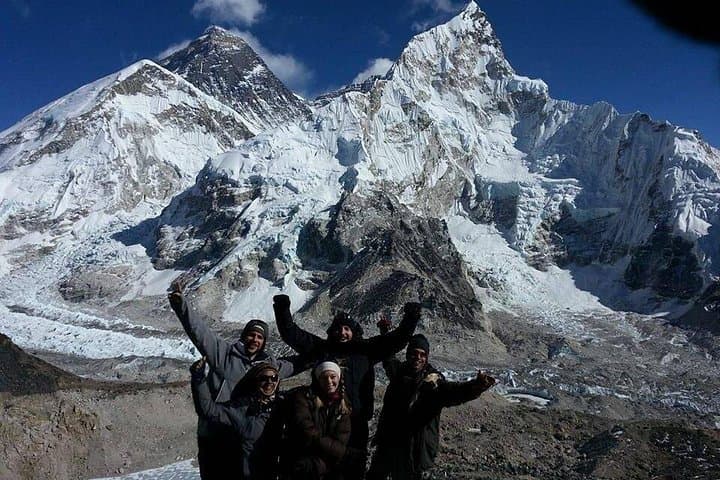
Expect long days of steady walking, sudden views of Everest, Lhotse and Ama Dablam, and the rhythmic life of lodge-to-lodge trekking where hot tea is currency and stove-heated dining rooms are social centers.
Practical guidance: allow strict acclimatization days in Namche and Dingboche, hydrate often (1–2 liters between stops), and favor layered insulation over a single heavy jacket. Start pre-dawn walks to avoid wind and to catch sunrise from Kala Patthar. Permits (Sagarmatha NP and TIMS) are mandatory and commonly handled by operators; bring cash for tea houses, tips and park fees. Footwear with rigid support and crampon-compatible boots are useful if you plan side excursions on icy ground. Finally, travel with a guide or porter—altitude and logistics are easier to manage with experienced local support.
Yes—Sagarmatha National Park permit and TIMS card are required; reputable operators typically arrange them before departure.
Daily treks vary from 3–7 hours; typical elevation gains are 300–800m on harder days with high-altitude sections above 4,000m.
No—EBC is a high-altitude trek without glacier travel technical requirements, but fitness and acclimatization are essential.
Guides monitor symptoms; descent is the primary treatment and many teams carry oxygen and have evacuation plans through the Himalayan Rescue Association network.
Welcome Nepal Treks P.ltd operates guided outdoor trips and adventures with an emphasis on safety, stewardship, and memorable experiences.

The plane drops you into Lukla and the valley exhales—cold, thin air that sharpens every sense. Trails thread along the Dudh Koshi, crossing swinging bridges and climbing through rhododendron forests until stone teahouses in Namche Bazaar appear like relief stations in an otherworldly landscape.
The plane drops you into Lukla and the valley exhales—cold, thin air that sharpens every sense. Trails thread along the Dudh Koshi, crossing swinging bridges and climbing through rhododendron forests until stone teahouses in Namche Bazaar appear like relief stations in an otherworldly landscape.
This route follows routes used by Sherpa traders and mountaineering expeditions for generations. Geologically, you walk on rocks lifted by the ongoing collision of the Indian and Eurasian plates; the Khumbu Glacier carves the valley below and leaves moraines that change shape year by year. Culturally, the trek is dominated by Sherpa villages and Buddhist monasteries—Tengboche and Khumjung are living hubs of prayer flags, mani stones and Himalayan hospitality.
Expect long days of steady walking, sudden views of Everest, Lhotse and Ama Dablam, and the rhythmic life of lodge-to-lodge trekking where hot tea is currency and stove-heated dining rooms are social centers.
Practical guidance: allow strict acclimatization days in Namche and Dingboche, hydrate often (1–2 liters between stops), and favor layered insulation over a single heavy jacket. Start pre-dawn walks to avoid wind and to catch sunrise from Kala Patthar. Permits (Sagarmatha NP and TIMS) are mandatory and commonly handled by operators; bring cash for tea houses, tips and park fees. Footwear with rigid support and crampon-compatible boots are useful if you plan side excursions on icy ground. Finally, travel with a guide or porter—altitude and logistics are easier to manage with experienced local support.