THE ADVENTURE COLLECTIVE® · Independent discovery and booking for outdoor travel

Follow the classic Khumbu corridor from Kathmandu to Everest Base Camp in 16 days, passing Sherpa villages, Tengboche Monastery and the moraine of the Khumbu Glacier. This guide covers what to expect on trail, cultural context, and practical planning notes for a high-altitude trek.
Follow the classic Khumbu corridor from Kathmandu to Everest Base Camp in 16 days, passing Sherpa villages, Tengboche Monastery and the moraine of the Khumbu Glacier. This guide covers what to expect on trail, cultural context, and practical planning notes for a high-altitude trek.
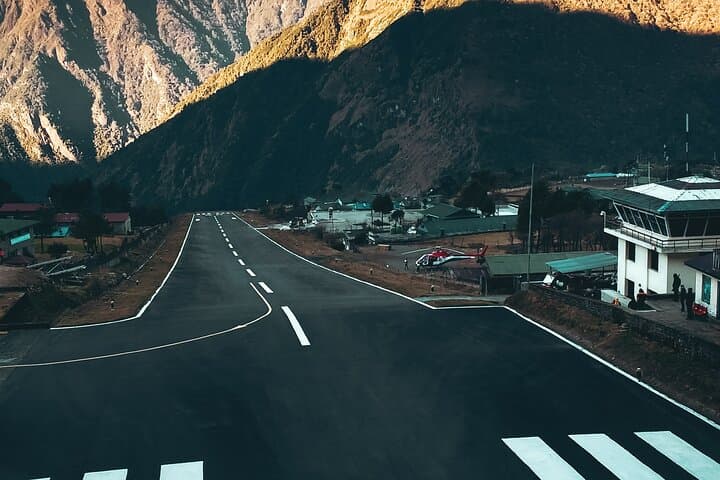
You step off a 40-minute hilltop flight into Lukla and the wind immediately reminds you who’s in charge — the mountains press close and the trail narrows into a sequence of climbs, bridges and high-ridge viewpoints.
Verified experiences and guided adventures in the surrounding area.
Operated by Vyas Treks & Expedition · Namche Bazaar, Province No. 1
You step off a 40-minute hilltop flight into Lukla and the wind immediately reminds you who’s in charge — the mountains press close and the trail narrows into a sequence of climbs, bridges and high-ridge viewpoints.
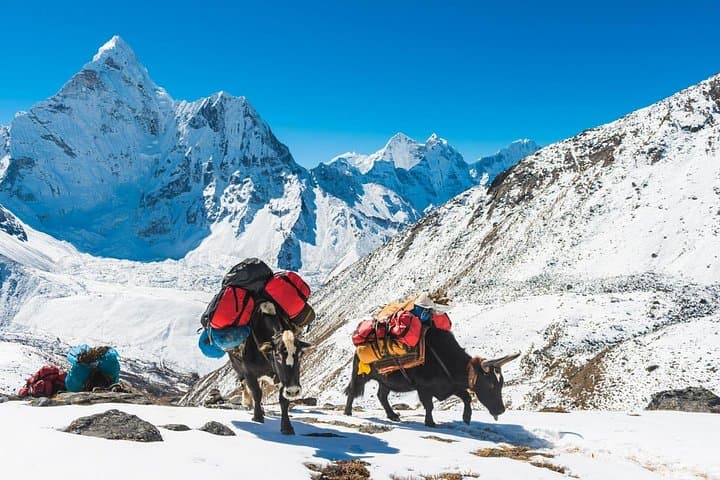
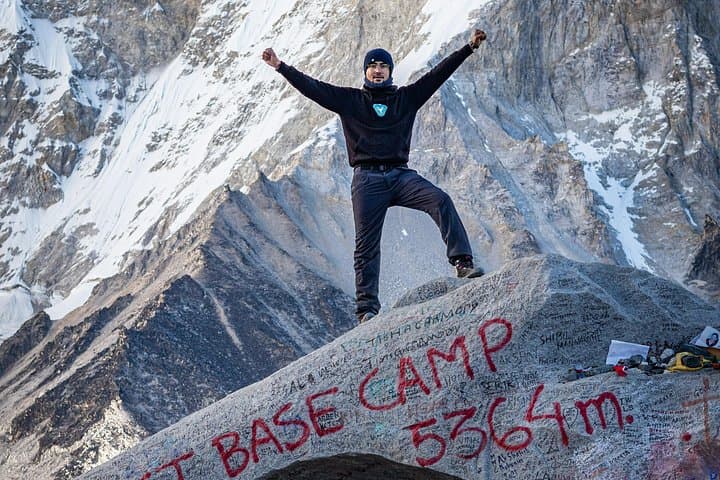
This 16-day itinerary threads the classic Khumbu route: Kathmandu to Lukla, through Phakding and Namche Bazaar, up to Tengboche and Dingboche, then on to Lobuche, Gorak Shep, Everest Base Camp and the dawn summit view from Kala Patthar. The route crosses ancient glacial moraines and rhododendron forests and runs through Sagarmatha (Everest) National Park, a UNESCO World Heritage Site established to protect high-altitude ecosystems and Sherpa culture.
Geology here is raw — uplifted metamorphic rock and terminal moraines reveal the glacier's slow work, while sacred peaks such as Khumbila remain unclimbed in local Sherpa belief. Villages along the way are hubs of Himalayan trade and Buddhism; Tengboche Monastery offers ritual and refuge between long trekking days.
Practical guidance: the trek is a slow climb in altitude rather than technical climbing. Expect 4–7 hour walking days on rocky, sometimes icy trails with total trekking sections spaced for acclimatization. Hydrate intentionally (aim for 3–4 L/day), layer for wide temperature swings, and budget extra time for weather and acclimatization hikes in Namche and Dingboche.
Guides and experienced Sherpas are recommended for route-finding, altitude management and logistics; if you want the sunrise Everest panorama from Kala Patthar, plan a pre-dawn ascent and warm clothing for temperatures frequently below -10°C at high points.
No technical climbing experience is required, but prior multi-day trekking and good fitness are strongly recommended; acclimatization days are built into the itinerary.
Very likely—Lukla flights are weather-dependent and commonly delayed or canceled; factor an extra buffer day in Kathmandu on arrival and departure.
Ascend slowly, hydrate, avoid alcohol, recognize symptoms (headache, nausea), and descend immediately if symptoms worsen; guides may carry supplemental oxygen.
Yes—trekkers need TIMS cards and Sagarmatha National Park permits; your operator typically obtains these before or on arrival in Lukla/Namche.
Vyas Treks & Expedition operates guided outdoor trips and adventures with an emphasis on safety, stewardship, and memorable experiences.

You step off a 40-minute hilltop flight into Lukla and the wind immediately reminds you who’s in charge — the mountains press close and the trail narrows into a sequence of climbs, bridges and high-ridge viewpoints.
You step off a 40-minute hilltop flight into Lukla and the wind immediately reminds you who’s in charge — the mountains press close and the trail narrows into a sequence of climbs, bridges and high-ridge viewpoints.
This 16-day itinerary threads the classic Khumbu route: Kathmandu to Lukla, through Phakding and Namche Bazaar, up to Tengboche and Dingboche, then on to Lobuche, Gorak Shep, Everest Base Camp and the dawn summit view from Kala Patthar. The route crosses ancient glacial moraines and rhododendron forests and runs through Sagarmatha (Everest) National Park, a UNESCO World Heritage Site established to protect high-altitude ecosystems and Sherpa culture.
Geology here is raw — uplifted metamorphic rock and terminal moraines reveal the glacier's slow work, while sacred peaks such as Khumbila remain unclimbed in local Sherpa belief. Villages along the way are hubs of Himalayan trade and Buddhism; Tengboche Monastery offers ritual and refuge between long trekking days.
Practical guidance: the trek is a slow climb in altitude rather than technical climbing. Expect 4–7 hour walking days on rocky, sometimes icy trails with total trekking sections spaced for acclimatization. Hydrate intentionally (aim for 3–4 L/day), layer for wide temperature swings, and budget extra time for weather and acclimatization hikes in Namche and Dingboche.
Guides and experienced Sherpas are recommended for route-finding, altitude management and logistics; if you want the sunrise Everest panorama from Kala Patthar, plan a pre-dawn ascent and warm clothing for temperatures frequently below -10°C at high points.