THE ADVENTURE COLLECTIVE® · Independent discovery and booking for outdoor travel

A classic high‑altitude lodge trek from Lukla to Everest Base Camp and Kala Patthar, this 16‑day itinerary pairs cultural stops in Sherpa villages with rigorous acclimatization and skyline views of the world’s highest peaks. Read on for what to expect, how to prepare, and practical on‑trail advice.
A classic high‑altitude lodge trek from Lukla to Everest Base Camp and Kala Patthar, this 16‑day itinerary pairs cultural stops in Sherpa villages with rigorous acclimatization and skyline views of the world’s highest peaks. Read on for what to expect, how to prepare, and practical on‑trail advice.
Heft of wind, stinging altitude and a horizon serrated with ice — the approach to Everest Base Camp immediately recalibrates pace. The trail climbs out of Lukla's thin-air airstrip (≈2,860 m) and threads Sherpa villages, rhododendron forests and turquoise glacier rivers before opening onto the raw, stony amphitheater of the Khumbu.
Verified experiences and guided adventures in the surrounding area.
Operated by Alliance Adventure Pvt. Ltd · Everest Base Camp, Province No. 1
Heft of wind, stinging altitude and a horizon serrated with ice — the approach to Everest Base Camp immediately recalibrates pace. The trail climbs out of Lukla's thin-air airstrip (≈2,860 m) and threads Sherpa villages, rhododendron forests and turquoise glacier rivers before opening onto the raw, stony amphitheater of the Khumbu.
This route follows the paths walked by early mountaineers after Sir Edmund Hillary and Tenzing Norgay’s 1953 ascent and runs through Sagarmatha National Park, a UNESCO World Heritage Site recognized for its high‑altitude ecology and Sherpa culture. Geology here is dramatic: uplifted metamorphic rock and active glacial moraine feed the Khumbu Glacier that guards Base Camp. Villages like Namche Bazaar (≈3,440 m) and Dingboche (≈4,360 m) are living waypoints where Buddhist monasteries and mani walls mark local life.
Expect single‑track trails, frequent stone steps, and several suspension bridges; daily gains average 300–900 m on exposed, rocky terrain. Acclimatization days in Namche and Dingboche are built into most itineraries; Kalapattar (≈5,545 m) offers the classic sunrise view of Everest, while Gorak Shep and EBC sit around 5,160–5,364 m.
Practical guidance: train with long days and loaded pack, prioritize slow ascents, and plan for weather variability—Lukla flights can be delayed. Carry layered insulation, a reliable sleeping bag, sun protection and backup batteries. Permits (TIMS, Sagarmatha entry) are mandatory; lodges provide meals and basic comforts but bring cash. Respect local customs, hydrate, and treat altitude with seriousness — the mountain rewards patience.
No—EBC is a trekking destination, not a technical climb; it requires endurance and altitude management but not ropes or crampon skills.
Trek permits include the TIMS card and Sagarmatha National Park entry permit; guides or operators typically handle processing before departure.
Most days are 4–7 hours of walking, with some longer days when gaining altitude; expected elevation gains vary from a few hundred to nearly 1,000 m on some transitions.
Lukla flights are weather‑dependent and commonly delayed or canceled; build buffer time into your itinerary and keep flexible plans.
Alliance Adventure Pvt. Ltd operates guided outdoor trips and adventures with an emphasis on safety, stewardship, and memorable experiences.
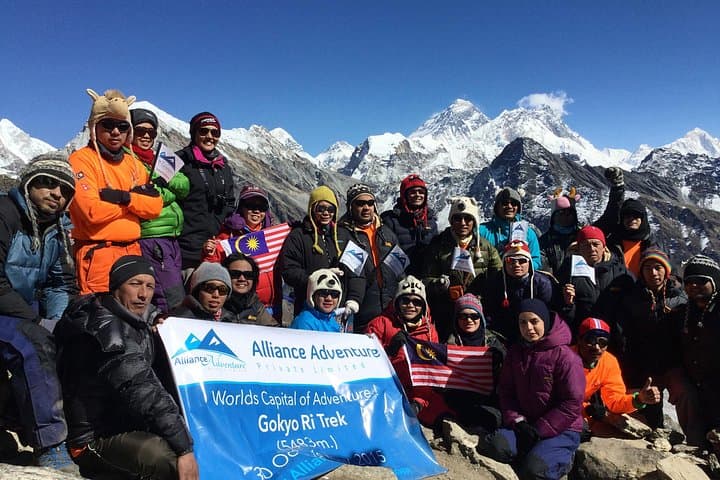
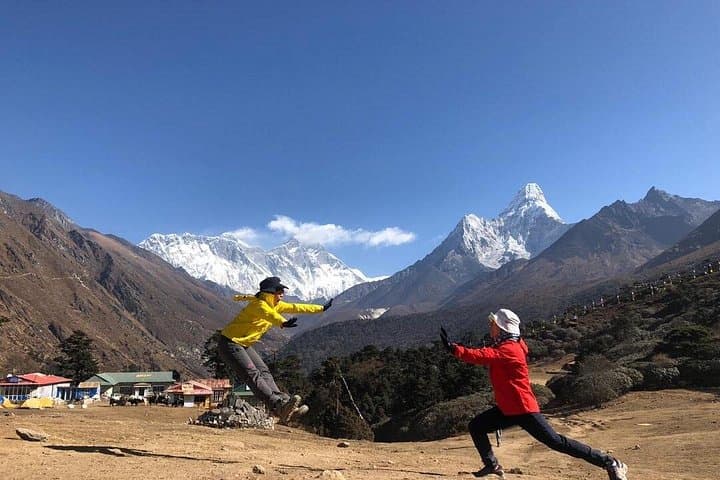

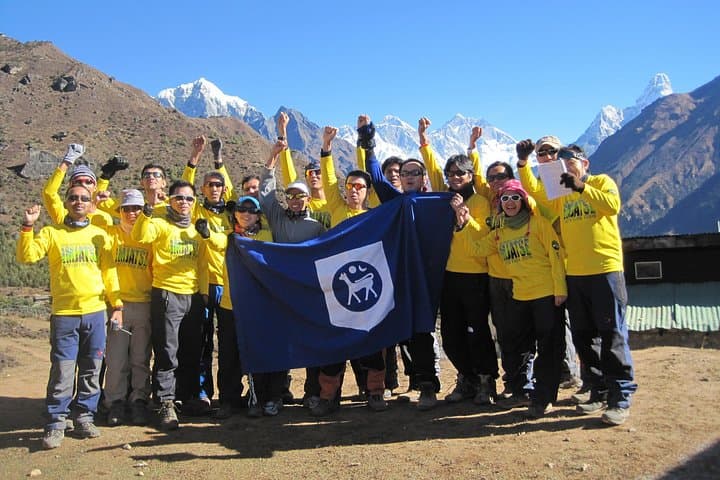
Heft of wind, stinging altitude and a horizon serrated with ice — the approach to Everest Base Camp immediately recalibrates pace. The trail climbs out of Lukla's thin-air airstrip (≈2,860 m) and threads Sherpa villages, rhododendron forests and turquoise glacier rivers before opening onto the raw, stony amphitheater of the Khumbu.
Heft of wind, stinging altitude and a horizon serrated with ice — the approach to Everest Base Camp immediately recalibrates pace. The trail climbs out of Lukla's thin-air airstrip (≈2,860 m) and threads Sherpa villages, rhododendron forests and turquoise glacier rivers before opening onto the raw, stony amphitheater of the Khumbu.
This route follows the paths walked by early mountaineers after Sir Edmund Hillary and Tenzing Norgay’s 1953 ascent and runs through Sagarmatha National Park, a UNESCO World Heritage Site recognized for its high‑altitude ecology and Sherpa culture. Geology here is dramatic: uplifted metamorphic rock and active glacial moraine feed the Khumbu Glacier that guards Base Camp. Villages like Namche Bazaar (≈3,440 m) and Dingboche (≈4,360 m) are living waypoints where Buddhist monasteries and mani walls mark local life.
Expect single‑track trails, frequent stone steps, and several suspension bridges; daily gains average 300–900 m on exposed, rocky terrain. Acclimatization days in Namche and Dingboche are built into most itineraries; Kalapattar (≈5,545 m) offers the classic sunrise view of Everest, while Gorak Shep and EBC sit around 5,160–5,364 m.
Practical guidance: train with long days and loaded pack, prioritize slow ascents, and plan for weather variability—Lukla flights can be delayed. Carry layered insulation, a reliable sleeping bag, sun protection and backup batteries. Permits (TIMS, Sagarmatha entry) are mandatory; lodges provide meals and basic comforts but bring cash. Respect local customs, hydrate, and treat altitude with seriousness — the mountain rewards patience.