THE ADVENTURE COLLECTIVE® · Independent discovery and booking for outdoor travel

Walk from Lukla to Everest Base Camp over 16 days, gaining dramatic alpine views, Sherpa culture in Namche Bazaar, and a dawn climb to Kala Patthar for Everest’s best angle. Expect long days, high passes and essential acclimatization.
Walk from Lukla to Everest Base Camp over 16 days, gaining dramatic alpine views, Sherpa culture in Namche Bazaar, and a dawn climb to Kala Patthar for Everest’s best angle. Expect long days, high passes and essential acclimatization.
A thin, cold light breaks over the Khumbu and your silhouette steps into a landscape that refuses to be ordinary. The trail rises from Lukla’s airstrip and threads pine forests, prayer-flagged ridgelines and open moraines until the world narrows to rock, ice and the blue-gray faces of Everest, Lhotse and Ama Dablam. You camp or stay in teahouses each night, trading stories with Sherpa guides and watching the mountains rearrange themselves with every hour of weather.
Verified experiences and guided adventures in the surrounding area.
Operated by Nature Explore Trekking Pvt Ltd · Kathmandu, Bagmati Province
A thin, cold light breaks over the Khumbu and your silhouette steps into a landscape that refuses to be ordinary. The trail rises from Lukla’s airstrip and threads pine forests, prayer-flagged ridgelines and open moraines until the world narrows to rock, ice and the blue-gray faces of Everest, Lhotse and Ama Dablam. You camp or stay in teahouses each night, trading stories with Sherpa guides and watching the mountains rearrange themselves with every hour of weather.
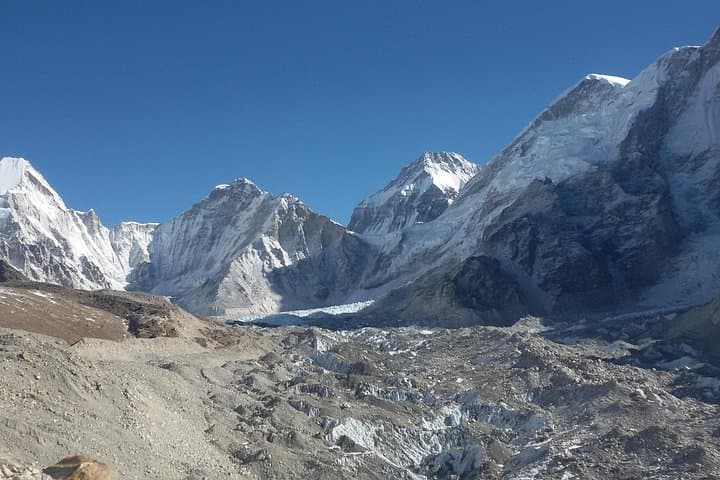
This route follows paths turned historic by early Himalayan expeditions and passes through Sagarmatha National Park, a UNESCO-protected zone with geology shaped by the collision of the Indian and Eurasian plates. Namche Bazaar is the cultural hub: a market and acclimatization stop where Sherpa history, museums and monastery festivals like Lhosar punctuate the walk. Above 4,000 m the terrain becomes glacial moraine and scree; higher still the air thins and summit views are earned step by step.
Practical guidance: expect daily walks of 4–8 hours and a highest point at Kala Patthar (~5,550 m) for the best Everest vista. Acclimatization days in Namche and Dingboche are built into standard itineraries—use them. Footwear should be broken-in mountaineering or heavy trekking boots; layers and a warm down jacket are essential for pre-dawn climbs. Hydration, a conservative pace, and awareness of altitude illness are your primary safety tools. Flights to/from Lukla are weather-dependent; build buffer days into travel plans. With steady fitness and respectful gear choices, the route delivers raw Himalayan exposure and close-up mountain views few treks match.
Standard itineraries run 12–16 days from Lukla to Everest Base Camp and back, with extra buffer days recommended for weather.
No technical mountaineering skills are required to reach Everest Base Camp or Kala Patthar, but high-altitude trekking experience is strongly recommended.
Late September–November and March–May offer the most stable weather and best visibility; spring has rhododendron blooms and autumn is crisper and clearer.
Altitude illness is a real risk above 3,000 m; use acclimatization days, monitor symptoms, and descend immediately if severe signs appear.
Nature Explore Trekking Pvt Ltd operates guided outdoor trips and adventures with an emphasis on safety, stewardship, and memorable experiences.
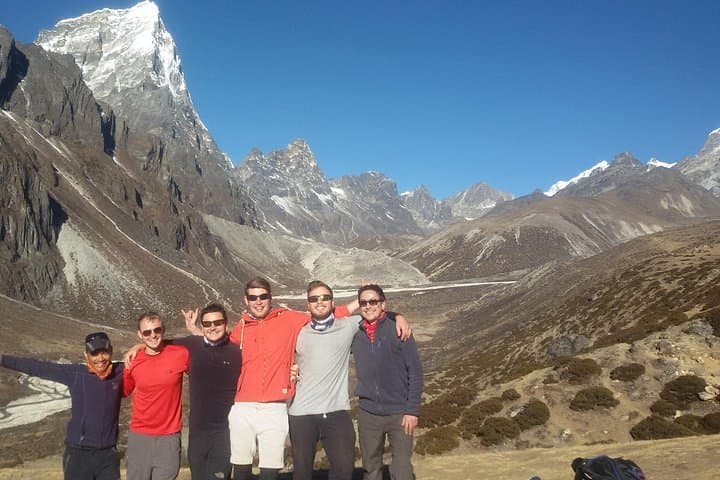
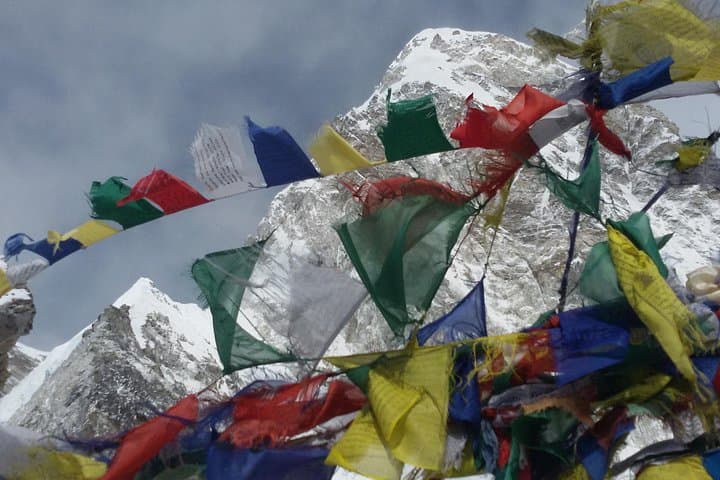
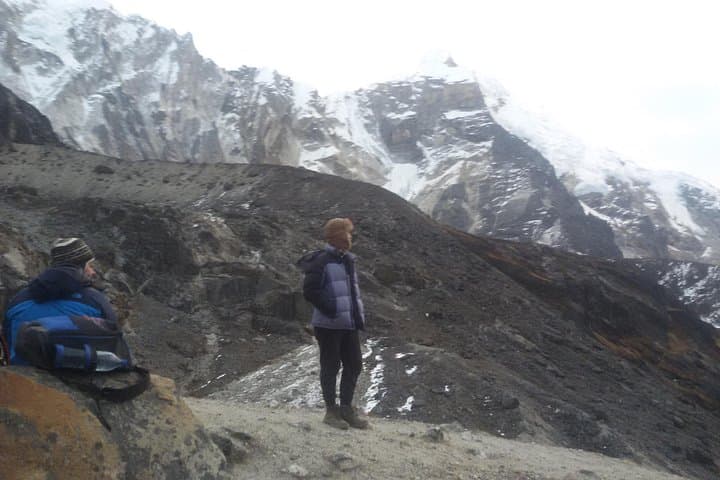
A thin, cold light breaks over the Khumbu and your silhouette steps into a landscape that refuses to be ordinary. The trail rises from Lukla’s airstrip and threads pine forests, prayer-flagged ridgelines and open moraines until the world narrows to rock, ice and the blue-gray faces of Everest, Lhotse and Ama Dablam. You camp or stay in teahouses each night, trading stories with Sherpa guides and watching the mountains rearrange themselves with every hour of weather.
A thin, cold light breaks over the Khumbu and your silhouette steps into a landscape that refuses to be ordinary. The trail rises from Lukla’s airstrip and threads pine forests, prayer-flagged ridgelines and open moraines until the world narrows to rock, ice and the blue-gray faces of Everest, Lhotse and Ama Dablam. You camp or stay in teahouses each night, trading stories with Sherpa guides and watching the mountains rearrange themselves with every hour of weather.
This route follows paths turned historic by early Himalayan expeditions and passes through Sagarmatha National Park, a UNESCO-protected zone with geology shaped by the collision of the Indian and Eurasian plates. Namche Bazaar is the cultural hub: a market and acclimatization stop where Sherpa history, museums and monastery festivals like Lhosar punctuate the walk. Above 4,000 m the terrain becomes glacial moraine and scree; higher still the air thins and summit views are earned step by step.
Practical guidance: expect daily walks of 4–8 hours and a highest point at Kala Patthar (~5,550 m) for the best Everest vista. Acclimatization days in Namche and Dingboche are built into standard itineraries—use them. Footwear should be broken-in mountaineering or heavy trekking boots; layers and a warm down jacket are essential for pre-dawn climbs. Hydration, a conservative pace, and awareness of altitude illness are your primary safety tools. Flights to/from Lukla are weather-dependent; build buffer days into travel plans. With steady fitness and respectful gear choices, the route delivers raw Himalayan exposure and close-up mountain views few treks match.