THE ADVENTURE COLLECTIVE® · Independent discovery and booking for outdoor travel

A 16-day route from Lukla to Everest Base Camp and Kala Patthar that blends Sherpa culture, high-alpine geology and rigorous altitude gains. Ideal for trekkers who plan for acclimatization and unpredictable mountain weather.
A 16-day route from Lukla to Everest Base Camp and Kala Patthar that blends Sherpa culture, high-alpine geology and rigorous altitude gains. Ideal for trekkers who plan for acclimatization and unpredictable mountain weather.
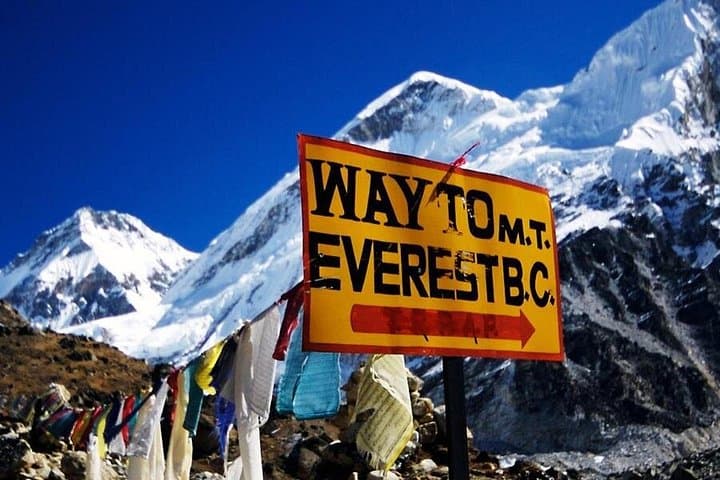
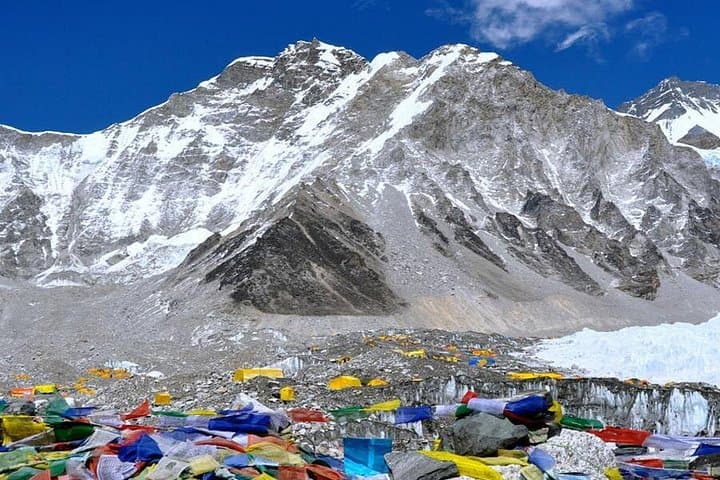
A cold dawn at Lukla, the little airstrip that starts the route into the high Khumbu, sets the tone: prayer flags snapping, porters ready, and the first peaks threading sunlight. Over sixteen days travelers move from terraced farmland and rhododendron forests into brittle alpine slopes, glacier moraines and finally the stony amphitheater around Gorak Shep and Everest Base Camp.
Verified experiences and guided adventures in the surrounding area.
Operated by Alpine Club of Himalaya · Lukla, Solukhumbu District
A cold dawn at Lukla, the little airstrip that starts the route into the high Khumbu, sets the tone: prayer flags snapping, porters ready, and the first peaks threading sunlight. Over sixteen days travelers move from terraced farmland and rhododendron forests into brittle alpine slopes, glacier moraines and finally the stony amphitheater around Gorak Shep and Everest Base Camp.
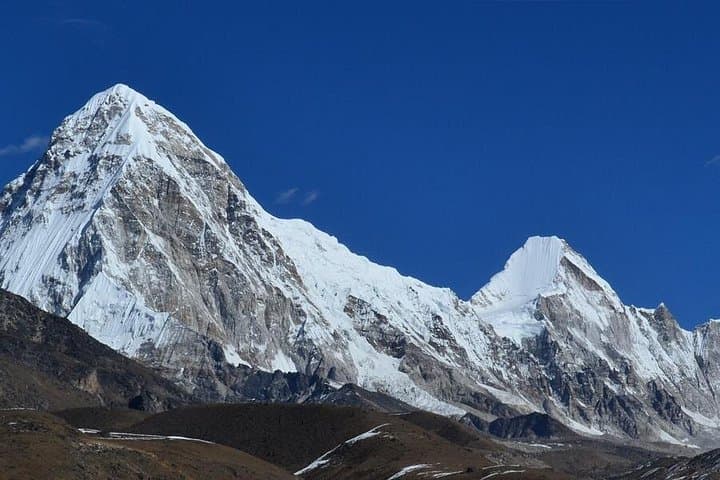
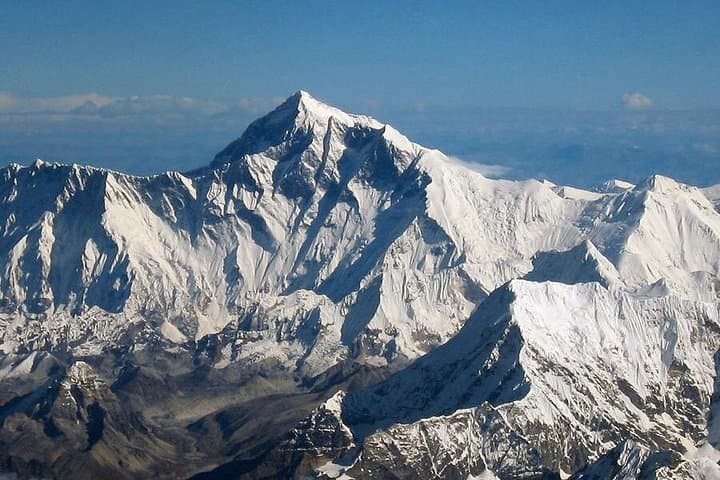
The trail follows centuries-old Sherpa routes through Sagarmatha National Park, a UNESCO site formed where the Indian and Eurasian plates shoved the Himalaya skyward. Villages like Namche and Tengboche preserve Sherpa Buddhist culture; monasteries, mani walls and weekly markets pulse with local life. Geologically, the scenery shifts from river-cut valleys and moraine hummocks to exposed glacial ice and moraine-dammed lakes—a visible record of ongoing uplift and recent glaciation.
Expect long days between 4–6 hours early on and several demanding pushes above 4,500 m; altitude, not technical terrain, is the primary challenge. Lodging is teahouse-style—basic rooms, shared bathrooms, and hearty lentil stews. Flights to and from Lukla are weather-dependent; delays are common.
Practical guidance: prioritize acclimatization days in Namche and Dingboche, drink frequently (small sips often), and carry layered insulation for sub-zero nights. Break in quality leather or synthetic boots before arrival and use trekking poles for steep sections and moraine crossings. Book flights with buffer days and travel with a licensed guide for permits (Sagarmatha NP, TIMS) and safe navigation.
This trek rewards steady pacing: glaciers and peaks will not hurry you, but the mountain air will test your resolve. Respect local customs, pack out waste when possible, and let the trail teach you patience.
Yes—trekkers need Sagarmatha National Park entry permit and a TIMS card; licensed guides commonly arrange these for groups.
The route reaches over 5,300 m at EBC and 5,545 m at Kala Patthar; altitude is the main challenge—follow acclimatization schedules and descend if severe symptoms appear.
Flights are highly weather-dependent; visibility and wind can cause delays or cancellations—build extra travel days into your itinerary.
Teahouse lodges are basic—twin rooms, simple mattresses and shared bathrooms; expect local Nepali dishes, soups, dal bhat and limited hot water availability.
Alpine Club of Himalaya operates guided outdoor trips and adventures with an emphasis on safety, stewardship, and memorable experiences.
A cold dawn at Lukla, the little airstrip that starts the route into the high Khumbu, sets the tone: prayer flags snapping, porters ready, and the first peaks threading sunlight. Over sixteen days travelers move from terraced farmland and rhododendron forests into brittle alpine slopes, glacier moraines and finally the stony amphitheater around Gorak Shep and Everest Base Camp.
A cold dawn at Lukla, the little airstrip that starts the route into the high Khumbu, sets the tone: prayer flags snapping, porters ready, and the first peaks threading sunlight. Over sixteen days travelers move from terraced farmland and rhododendron forests into brittle alpine slopes, glacier moraines and finally the stony amphitheater around Gorak Shep and Everest Base Camp.
The trail follows centuries-old Sherpa routes through Sagarmatha National Park, a UNESCO site formed where the Indian and Eurasian plates shoved the Himalaya skyward. Villages like Namche and Tengboche preserve Sherpa Buddhist culture; monasteries, mani walls and weekly markets pulse with local life. Geologically, the scenery shifts from river-cut valleys and moraine hummocks to exposed glacial ice and moraine-dammed lakes—a visible record of ongoing uplift and recent glaciation.
Expect long days between 4–6 hours early on and several demanding pushes above 4,500 m; altitude, not technical terrain, is the primary challenge. Lodging is teahouse-style—basic rooms, shared bathrooms, and hearty lentil stews. Flights to and from Lukla are weather-dependent; delays are common.
Practical guidance: prioritize acclimatization days in Namche and Dingboche, drink frequently (small sips often), and carry layered insulation for sub-zero nights. Break in quality leather or synthetic boots before arrival and use trekking poles for steep sections and moraine crossings. Book flights with buffer days and travel with a licensed guide for permits (Sagarmatha NP, TIMS) and safe navigation.
This trek rewards steady pacing: glaciers and peaks will not hurry you, but the mountain air will test your resolve. Respect local customs, pack out waste when possible, and let the trail teach you patience.