THE ADVENTURE COLLECTIVE® · Independent discovery and booking for outdoor travel
A 17-day guided trek from Kathmandu to Everest Base Camp that moves through Sherpa villages, high alpine passes, and glacier-swept valleys. Expect long days at altitude, iconic panoramas, and cultural stops in monasteries and Namche Bazaar.
A 17-day guided trek from Kathmandu to Everest Base Camp that moves through Sherpa villages, high alpine passes, and glacier-swept valleys. Expect long days at altitude, iconic panoramas, and cultural stops in monasteries and Namche Bazaar.
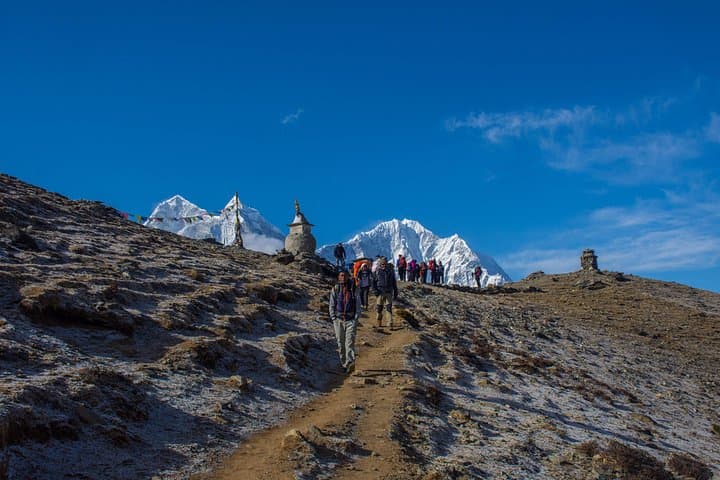
A thin Himalayan dawn slides over Kathmandu’s rooftops and, by midweek, you’re airborne toward Lukla—where the valley breathes and the trail begins. The approach is immediate: stone villages, prayer flags snapping like punctuation, and a stair-stepped route that climbs from 2,840 m at Lukla through Namche Bazaar (3,440 m) and on toward higher, wind-honed settlements.
Verified experiences and guided adventures in the surrounding area.
Operated by Dream Himalaya Adventures Pvt Ltd · Lukla, Province No. 1
A thin Himalayan dawn slides over Kathmandu’s rooftops and, by midweek, you’re airborne toward Lukla—where the valley breathes and the trail begins. The approach is immediate: stone villages, prayer flags snapping like punctuation, and a stair-stepped route that climbs from 2,840 m at Lukla through Namche Bazaar (3,440 m) and on toward higher, wind-honed settlements.
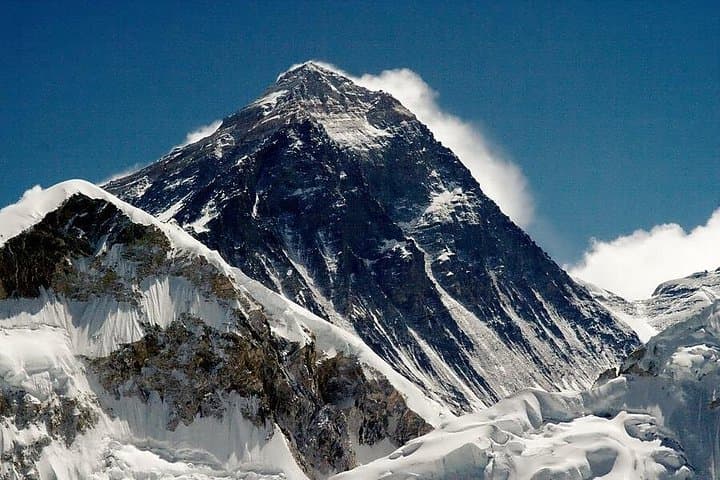
This corridor sits inside Sagarmatha National Park, carved by tectonic uplift and glaciation over millions of years; the peaks around you—Everest (8,848 m), Lhotse, Nuptse—are raw faces of uplifted crust and ancient ice. The trek threads Sherpa villages and Buddhist monasteries where centuries-old traditions meet the practical logistics of modern trekking: tea houses, mani walls and the steady, wry hospitality of local guides.
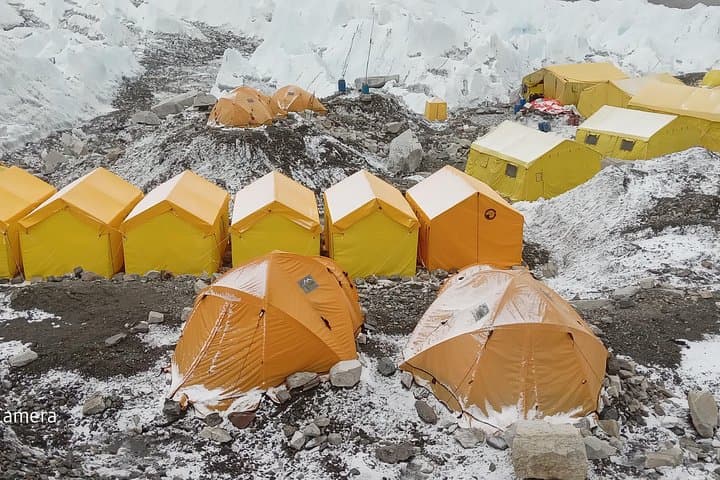
Expect daily walks of 6–14 km with frequent altitude gains and losses; key nights include Namche, Tengboche (3,860 m), Dingboche (4,410 m), Lobuche (4,910 m) and Gorak Shep (5,140 m) before the 5,364 m Everest Base Camp and a pre-dawn climb of Kala Patthar (~5,550 m) for the classic sunrise view.
Practical planning is straightforward but unforgiving: acclimatize, carry layered clothing and a reliable sleeping system, and budget for weather delays on the Lukla flight. Hydration, slow pacing, and a seasoned Sherpa guide are the trip’s best insurance. When the wind presses on the ridge, the mountains feel like a judge—unyielding, exacting, and ultimately honest.
No; the standard EBC trek is a non-technical hiking route, though you should be experienced with long days, uneven terrain and altitude.
Daily sections are typically 6–14 km and take 3–8 hours depending on terrain and acclimatization; some days involve sustained uphill gains.
You need Sagarmatha National Park entry permit and a TIMS (Trekkers' Information Management System) card; your operator usually arranges these.
Very common—Lukla flights are weather-dependent and subject to cancellations; the itinerary usually includes buffer days for this reason.
Dream Himalaya Adventures Pvt Ltd operates guided outdoor trips and adventures with an emphasis on safety, stewardship, and memorable experiences.
A thin Himalayan dawn slides over Kathmandu’s rooftops and, by midweek, you’re airborne toward Lukla—where the valley breathes and the trail begins. The approach is immediate: stone villages, prayer flags snapping like punctuation, and a stair-stepped route that climbs from 2,840 m at Lukla through Namche Bazaar (3,440 m) and on toward higher, wind-honed settlements.
A thin Himalayan dawn slides over Kathmandu’s rooftops and, by midweek, you’re airborne toward Lukla—where the valley breathes and the trail begins. The approach is immediate: stone villages, prayer flags snapping like punctuation, and a stair-stepped route that climbs from 2,840 m at Lukla through Namche Bazaar (3,440 m) and on toward higher, wind-honed settlements.
This corridor sits inside Sagarmatha National Park, carved by tectonic uplift and glaciation over millions of years; the peaks around you—Everest (8,848 m), Lhotse, Nuptse—are raw faces of uplifted crust and ancient ice. The trek threads Sherpa villages and Buddhist monasteries where centuries-old traditions meet the practical logistics of modern trekking: tea houses, mani walls and the steady, wry hospitality of local guides.
Expect daily walks of 6–14 km with frequent altitude gains and losses; key nights include Namche, Tengboche (3,860 m), Dingboche (4,410 m), Lobuche (4,910 m) and Gorak Shep (5,140 m) before the 5,364 m Everest Base Camp and a pre-dawn climb of Kala Patthar (~5,550 m) for the classic sunrise view.
Practical planning is straightforward but unforgiving: acclimatize, carry layered clothing and a reliable sleeping system, and budget for weather delays on the Lukla flight. Hydration, slow pacing, and a seasoned Sherpa guide are the trip’s best insurance. When the wind presses on the ridge, the mountains feel like a judge—unyielding, exacting, and ultimately honest.
