THE ADVENTURE COLLECTIVE® · Independent discovery and booking for outdoor travel

A classic 17-day high-altitude trek from Lukla to Everest Base Camp and Kala Pattar, mixing Sherpa culture, glacial landscapes and daily altitude gains. Ideal for fit trekkers who plan for acclimatization, basic tea-house lodging and weather-dependent flights.
A classic 17-day high-altitude trek from Lukla to Everest Base Camp and Kala Pattar, mixing Sherpa culture, glacial landscapes and daily altitude gains. Ideal for fit trekkers who plan for acclimatization, basic tea-house lodging and weather-dependent flights.
The trail begins with a thin ribbon of dust and prayer flags rising out of Lukla’s airstrip as the valley breathes cold, thin air. Hikers step off the plane at ~2,800 m and follow a river that dares them upstream, through rhododendron forests, villages of stacked stone houses, and finally above the treeline where rock and moraine take over.
Verified experiences and guided adventures in the surrounding area.
Operated by Top of The World Treks Pvt.Ltd · Kathmandu, Bagmati Province
The trail begins with a thin ribbon of dust and prayer flags rising out of Lukla’s airstrip as the valley breathes cold, thin air. Hikers step off the plane at ~2,800 m and follow a river that dares them upstream, through rhododendron forests, villages of stacked stone houses, and finally above the treeline where rock and moraine take over.
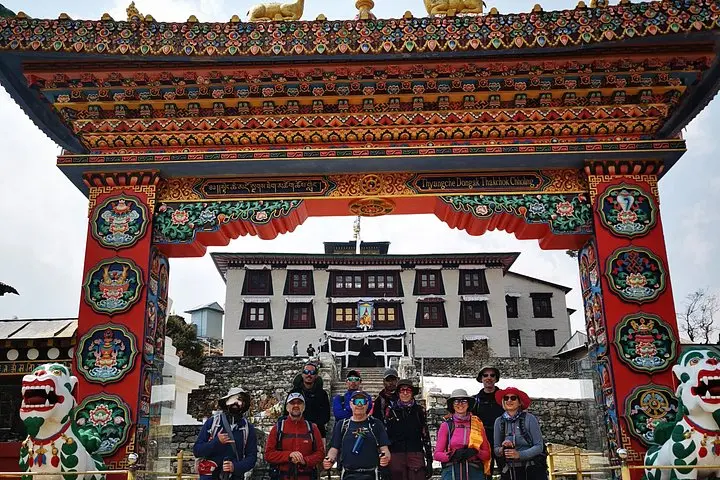
This is a route shaped by geology and human history: the Dudh Kosi valley carved by Himalayan uplift and glacial action, villages shaped by Sherpa culture and Tibetan Buddhism. You’ll pass Tengboche Monastery, a cultural high point founded centuries ago, and cross mani walls and suspension bridges that mark local ritual and daily life. The modern chapter is written in the names of Lobuche, Gorak Shep and the climbers’ memorials at Chukpi Khola.
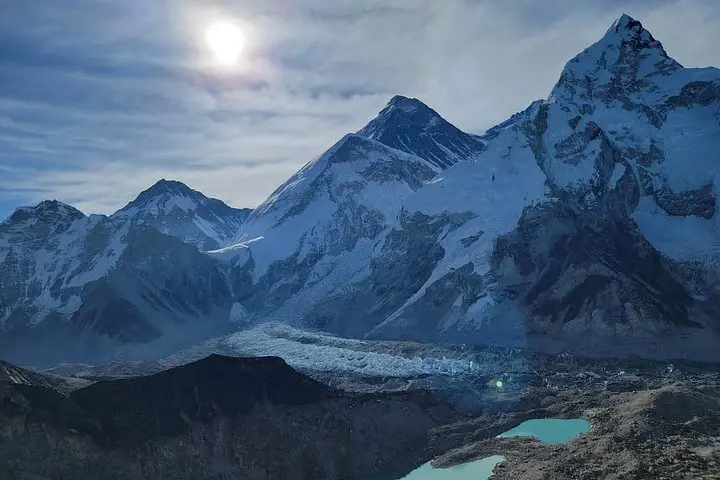
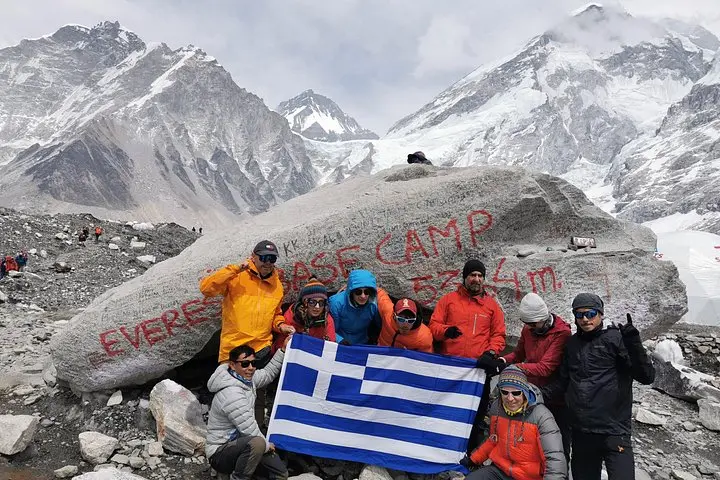
Expect varied terrain: packed dirt and stone steps at lower elevations, alpine meadow and scree above 4,000 m, and glacial moraine near base camp. Daily hikes range from short 3–4 hour approaches to long 8–9 hour days with 500–1,000 m gains on harder sections. Two planned acclimatization days (Namche, Pheriche) help manage altitude.
Practical edge: flights to/from Lukla are about 30–40 minutes and weather-dependent; pack layered insulation, a sturdy waterproof boot, sun protection and cash for tea houses. Hydrate, respect acclimatization, and be prepared for basic lodgings and rapidly changing weather. For trekkers seeking clear views aim for pre-monsoon or autumn windows; for solitude, winter offers stark, cold clarity but limited services.
No technical climbing is required—the route is high-altitude trekking on trails and moraine rather than glacier travel, but fitness and acclimatization are essential.
Most groups fly from Kathmandu (Tribhuvan Airport) to Lukla in a ~30–40 minute scenic, weather-dependent flight; alternatives are extended road/trek approaches rarely used for organized EBC treks.
Trekkers need a TIMS card and a Sagarmatha National Park permit; many operators include these in the package.
Altitude sickness, sudden weather changes and flight cancellations are the primary concerns—travel with experienced guides and allow acclimatization time.
Top of The World Treks Pvt.Ltd operates guided outdoor trips and adventures with an emphasis on safety, stewardship, and memorable experiences.
The trail begins with a thin ribbon of dust and prayer flags rising out of Lukla’s airstrip as the valley breathes cold, thin air. Hikers step off the plane at ~2,800 m and follow a river that dares them upstream, through rhododendron forests, villages of stacked stone houses, and finally above the treeline where rock and moraine take over.
The trail begins with a thin ribbon of dust and prayer flags rising out of Lukla’s airstrip as the valley breathes cold, thin air. Hikers step off the plane at ~2,800 m and follow a river that dares them upstream, through rhododendron forests, villages of stacked stone houses, and finally above the treeline where rock and moraine take over.
This is a route shaped by geology and human history: the Dudh Kosi valley carved by Himalayan uplift and glacial action, villages shaped by Sherpa culture and Tibetan Buddhism. You’ll pass Tengboche Monastery, a cultural high point founded centuries ago, and cross mani walls and suspension bridges that mark local ritual and daily life. The modern chapter is written in the names of Lobuche, Gorak Shep and the climbers’ memorials at Chukpi Khola.
Expect varied terrain: packed dirt and stone steps at lower elevations, alpine meadow and scree above 4,000 m, and glacial moraine near base camp. Daily hikes range from short 3–4 hour approaches to long 8–9 hour days with 500–1,000 m gains on harder sections. Two planned acclimatization days (Namche, Pheriche) help manage altitude.
Practical edge: flights to/from Lukla are about 30–40 minutes and weather-dependent; pack layered insulation, a sturdy waterproof boot, sun protection and cash for tea houses. Hydrate, respect acclimatization, and be prepared for basic lodgings and rapidly changing weather. For trekkers seeking clear views aim for pre-monsoon or autumn windows; for solitude, winter offers stark, cold clarity but limited services.