THE ADVENTURE COLLECTIVE® · Independent discovery and booking for outdoor travel

A 14-day, all-inclusive trek from Kathmandu to Everest Base Camp that blends high-altitude challenge with Sherpa culture and teahouse logistics handled for you. Expect long days, dramatic glacial scenery and essential acclimatization stops.
A 14-day, all-inclusive trek from Kathmandu to Everest Base Camp that blends high-altitude challenge with Sherpa culture and teahouse logistics handled for you. Expect long days, dramatic glacial scenery and essential acclimatization stops.
You step off the short, breath-stealing flight into Lukla and the air immediately announces the day: thin, clean, and sharp enough to make your lungs work for their keep.
Verified experiences and guided adventures in the surrounding area.
Operated by Places Nepal Trek & Tours · Lukla, Province No. 1
You step off the short, breath-stealing flight into Lukla and the air immediately announces the day: thin, clean, and sharp enough to make your lungs work for their keep.
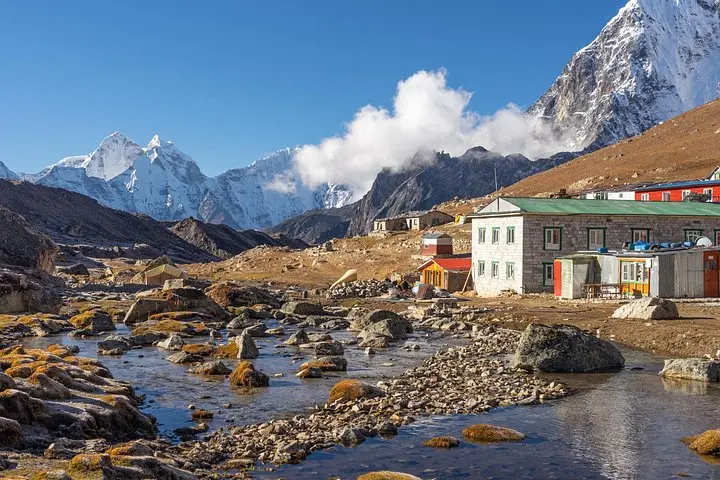
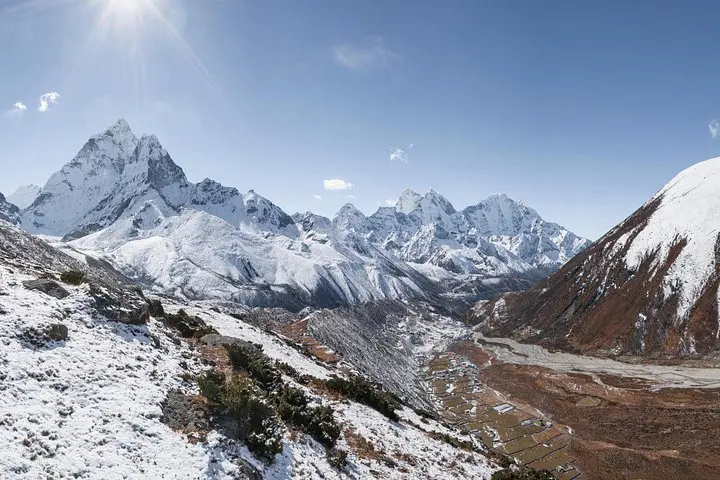
Over the next two weeks you walk along the Dudh Kosi, cross prayer-flag-draped suspension bridges and thread Sherpa villages whose stone mani walls mark the trail. Sagarmatha (Everest) National Park opens like a living geology lesson — moraines, the jagged teeth of the Khumbu Glacier, and high ridgelines shaped by relentless ice.
The route follows a cultural spine as much as a physical one. Tea houses, gompas and prayer wheels reveal centuries of Himalayan Buddhist practice and Sherpa hospitality; Tengboche Monastery’s morning puja feels like a local rhythm organizers carefully preserve.
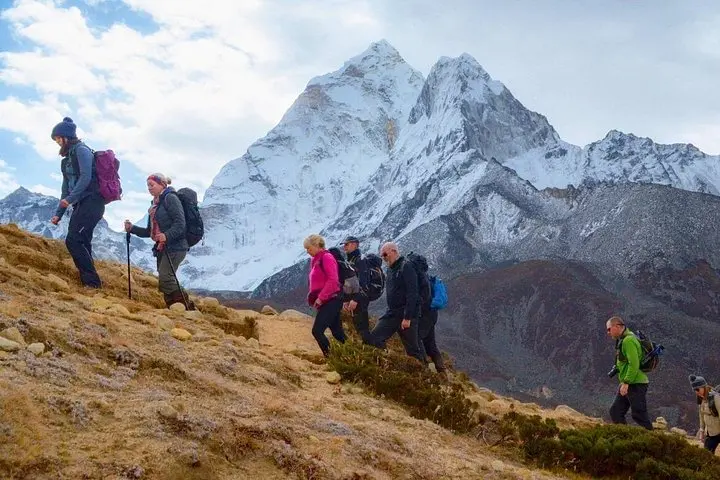
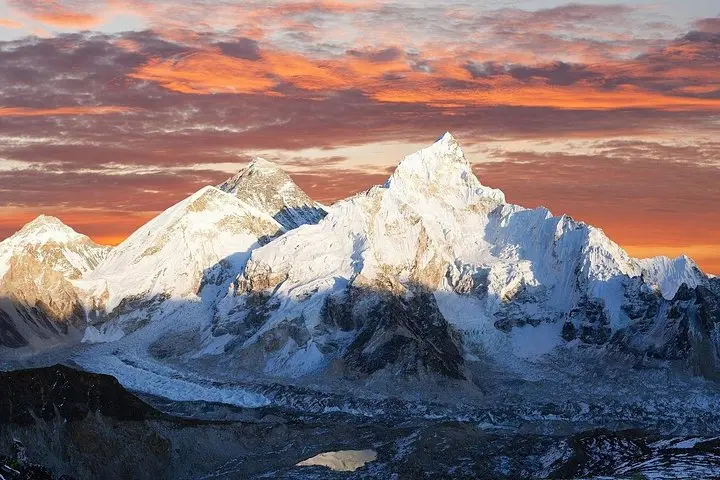
Expect altitude and weather to shape every day: long, steady ascents between villages, acclimatization hikes in Namche and Dingboche, and a final push to Gorak Shep and Everest Base Camp. Kala Patthar’s pre-dawn climb rewards you with a near-360° panorama of Everest, Lhotse and Ama Dablam that explains why people return.
Practical edge: train with loaded daypacks, prioritize slow ascents for acclimatization, and equip layered insulating clothing for nights that drop well below freezing. Guides handle logistics — permits, local porters, teahouse bookings and emergency evacuation plans — but personal responsibility for hydration, pacing and altitude awareness remains critical.
This is trekking in its raw form: nature pushing you forward, villages offering warmth, and summitless Himalayan horizons keeping each step honest.
No technical climbing gear is required for this trek—standard high-altitude trekking equipment suffices; guides provide logistics but not mountaineering ropes or ice-axe use for Base Camp access.
Altitude sickness is a real risk; the itinerary includes acclimatization days and guides monitor symptoms—communicate any breathing difficulties or severe headaches immediately.
Flights are weather-dependent; cancellations are common, so build buffer days into your schedule and be prepared for reroutes via Manthali.
Teahouse-style twin-share rooms in villages, including basic heating and communal dining—some nights in 3-star hotels in Kathmandu are included.
Places Nepal Trek & Tours operates guided outdoor trips and adventures with an emphasis on safety, stewardship, and memorable experiences.
You step off the short, breath-stealing flight into Lukla and the air immediately announces the day: thin, clean, and sharp enough to make your lungs work for their keep.
You step off the short, breath-stealing flight into Lukla and the air immediately announces the day: thin, clean, and sharp enough to make your lungs work for their keep.
Over the next two weeks you walk along the Dudh Kosi, cross prayer-flag-draped suspension bridges and thread Sherpa villages whose stone mani walls mark the trail. Sagarmatha (Everest) National Park opens like a living geology lesson — moraines, the jagged teeth of the Khumbu Glacier, and high ridgelines shaped by relentless ice.
The route follows a cultural spine as much as a physical one. Tea houses, gompas and prayer wheels reveal centuries of Himalayan Buddhist practice and Sherpa hospitality; Tengboche Monastery’s morning puja feels like a local rhythm organizers carefully preserve.
Expect altitude and weather to shape every day: long, steady ascents between villages, acclimatization hikes in Namche and Dingboche, and a final push to Gorak Shep and Everest Base Camp. Kala Patthar’s pre-dawn climb rewards you with a near-360° panorama of Everest, Lhotse and Ama Dablam that explains why people return.
Practical edge: train with loaded daypacks, prioritize slow ascents for acclimatization, and equip layered insulating clothing for nights that drop well below freezing. Guides handle logistics — permits, local porters, teahouse bookings and emergency evacuation plans — but personal responsibility for hydration, pacing and altitude awareness remains critical.
This is trekking in its raw form: nature pushing you forward, villages offering warmth, and summitless Himalayan horizons keeping each step honest.