THE ADVENTURE COLLECTIVE® · Independent discovery and booking for outdoor travel

A compact, budget-minded 12-day guided trek from Kathmandu to Everest Base Camp that balances fast-paced acclimatization with classic Khumbu scenery. Expect tea-house stays, weather-dependent Lukla flights and high-altitude hiking to Kala Patthar and the EBC moraine.
A compact, budget-minded 12-day guided trek from Kathmandu to Everest Base Camp that balances fast-paced acclimatization with classic Khumbu scenery. Expect tea-house stays, weather-dependent Lukla flights and high-altitude hiking to Kala Patthar and the EBC moraine.
You step off the tiny Lukla runway and the world rearranges itself: thin air, the chatter of Sherpa traders, prayer flags snapping like short, determined breaths along stone walls. The trail climbs steadily past rhododendron forests and suspension bridges over the Dudh Koshi, then opens into the high, sparse bowls of Namche Bazaar—where mountain culture meets practical supply runs.
Verified experiences and guided adventures in the surrounding area.
Operated by Nepal Tour & Trekking Services · Kathmandu, Bagmati Province
You step off the tiny Lukla runway and the world rearranges itself: thin air, the chatter of Sherpa traders, prayer flags snapping like short, determined breaths along stone walls. The trail climbs steadily past rhododendron forests and suspension bridges over the Dudh Koshi, then opens into the high, sparse bowls of Namche Bazaar—where mountain culture meets practical supply runs.
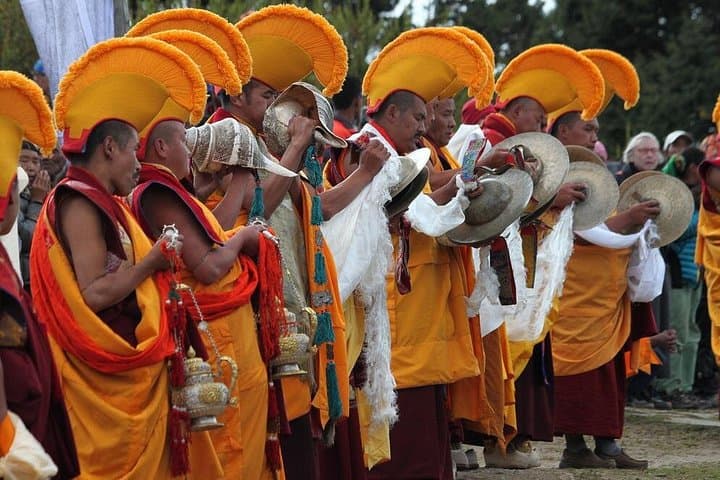
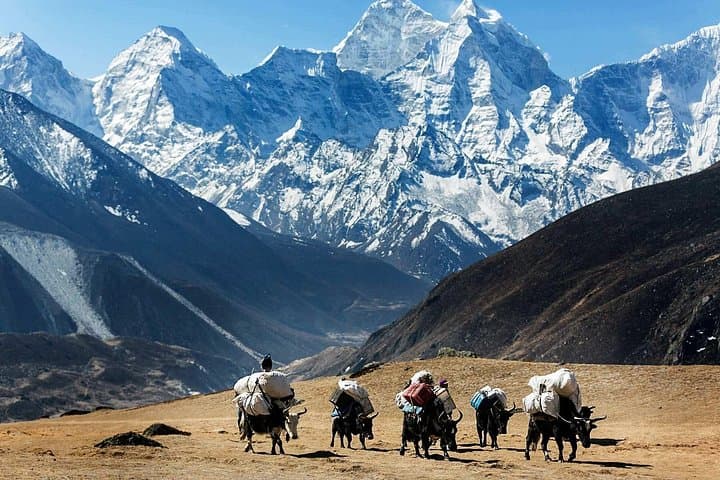
The route follows the young, tectonic drama of the Himalaya—India’s plate still forcing the range skyward—so expect loose moraines, polished moraine moraine ridges and ancient glacial ice at the higher reaches. Sherpa villages and Buddhist monasteries at Tengboche and Dingboche trace a living history of trade and mountaineering support dating to the 1950s expeditions; local culture centers around hospitality, prayer wheels and yak caravans that move supplies to tea houses.
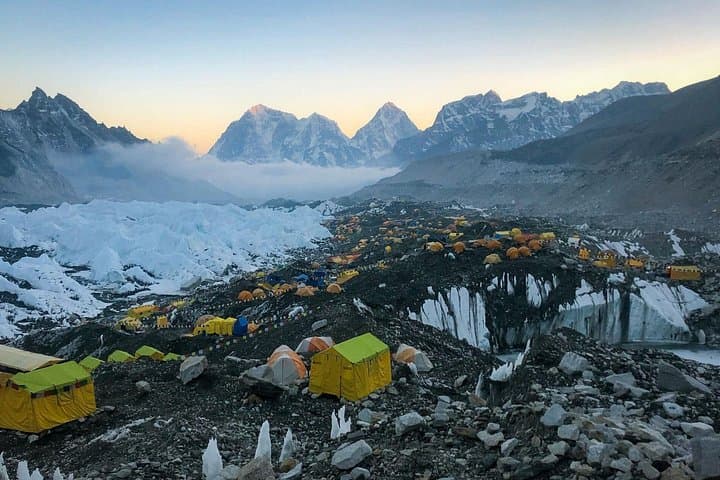
Practically, the 12-day itinerary flies to Lukla (≈2,860 m), treks ~130 km round-trip with maximum altitudes at Everest Base Camp (~5,364 m) and Kala Patthar (~5,545 m). Terrain alternates packed dirt, stone stairways and high alpine moraine; expect 4–7 hour walking days with planned acclimatization breaks. Flights to/from Lukla are weather-dependent—build buffer time into international connections.
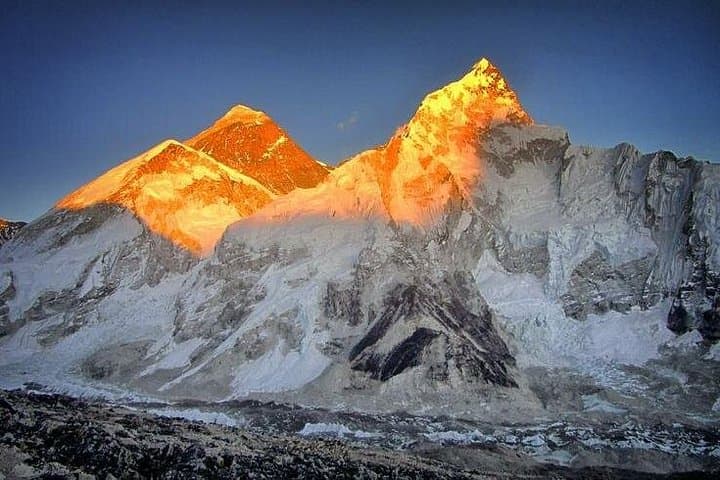
Prepare for simple tea-house lodging (shared rooms, common baths), limited heating and hot-water limits. Hydrate, monitor symptoms of acute mountain sickness, carry layers and a reliable down jacket for nights above 4,000 m. Guides manage permits and park fees; respect local waste rules and tip support staff. When sunrise hits Kala Patthar, Everest will not simply appear — it will demand your attention and leave you changed.
Yes—Sagarmatha National Park entry and Khumbu Pasang Lhamu Rural Municipality permits are required; guides usually handle paperwork before trekking.
Very—flights to/from Lukla are often delayed due to low clouds, wind or snow; itineraries commonly include buffer days.
Basic family-run lodges offering shared rooms, simple meals, limited hot water and communal bathrooms; expect comfortable but rustic conditions.
It can be significant; the itinerary includes acclimatization days but you must monitor symptoms, ascend slowly and descend if severe signs appear.
Nepal Tour & Trekking Services operates guided outdoor trips and adventures with an emphasis on safety, stewardship, and memorable experiences.
You step off the tiny Lukla runway and the world rearranges itself: thin air, the chatter of Sherpa traders, prayer flags snapping like short, determined breaths along stone walls. The trail climbs steadily past rhododendron forests and suspension bridges over the Dudh Koshi, then opens into the high, sparse bowls of Namche Bazaar—where mountain culture meets practical supply runs.
You step off the tiny Lukla runway and the world rearranges itself: thin air, the chatter of Sherpa traders, prayer flags snapping like short, determined breaths along stone walls. The trail climbs steadily past rhododendron forests and suspension bridges over the Dudh Koshi, then opens into the high, sparse bowls of Namche Bazaar—where mountain culture meets practical supply runs.
The route follows the young, tectonic drama of the Himalaya—India’s plate still forcing the range skyward—so expect loose moraines, polished moraine moraine ridges and ancient glacial ice at the higher reaches. Sherpa villages and Buddhist monasteries at Tengboche and Dingboche trace a living history of trade and mountaineering support dating to the 1950s expeditions; local culture centers around hospitality, prayer wheels and yak caravans that move supplies to tea houses.
Practically, the 12-day itinerary flies to Lukla (≈2,860 m), treks ~130 km round-trip with maximum altitudes at Everest Base Camp (~5,364 m) and Kala Patthar (~5,545 m). Terrain alternates packed dirt, stone stairways and high alpine moraine; expect 4–7 hour walking days with planned acclimatization breaks. Flights to/from Lukla are weather-dependent—build buffer time into international connections.
Prepare for simple tea-house lodging (shared rooms, common baths), limited heating and hot-water limits. Hydrate, monitor symptoms of acute mountain sickness, carry layers and a reliable down jacket for nights above 4,000 m. Guides manage permits and park fees; respect local waste rules and tip support staff. When sunrise hits Kala Patthar, Everest will not simply appear — it will demand your attention and leave you changed.