THE ADVENTURE COLLECTIVE® · Independent discovery and booking for outdoor travel

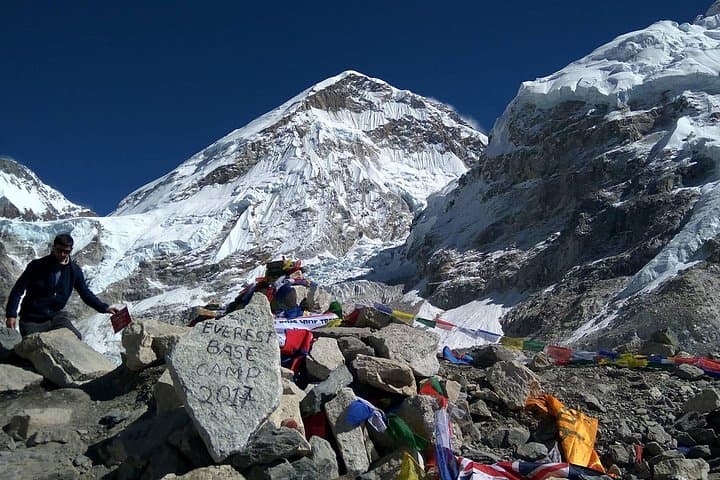
Skip the Lukla flight and earn Everest Base Camp by road and trail. This 17-day overland trek from Salleri weaves through Sherpa villages, high ridgelines and glacier valleys to reach EBC with built-in acclimatization and cultural stops.
Skip the Lukla flight and earn Everest Base Camp by road and trail. This 17-day overland trek from Salleri weaves through Sherpa villages, high ridgelines and glacier valleys to reach EBC with built-in acclimatization and cultural stops.
You arrive in Kathmandu with the Himalaya looming on the horizon, but instead of flying to Lukla you head east by road and jeep to Salleri, where the trail opens into terraced hills, rushing rivers and ancient rhododendron forest.
Verified experiences and guided adventures in the surrounding area.
Operated by Mount Mania Treks Expedition P. Ltd. · Gorak Shep, Province No. 1
You arrive in Kathmandu with the Himalaya looming on the horizon, but instead of flying to Lukla you head east by road and jeep to Salleri, where the trail opens into terraced hills, rushing rivers and ancient rhododendron forest.
This overland approach follows old mule tracks used by Sherpa communities for generations and brings you into the heart of Solukhumbu through lesser-touristed villages. Geologically, you move from lower Siwalik foothills into the folded, uplifted beds of the High Himalaya; glaciers begin to dominate above 4,000 m and the moraine-strewn valleys lead to the stone hamlets beneath Everest. Culturally the route threads Sherpa monasteries and mani walls—Tengboche and Pangboche punctuate the trek with prayer flags and butter-lamp light.
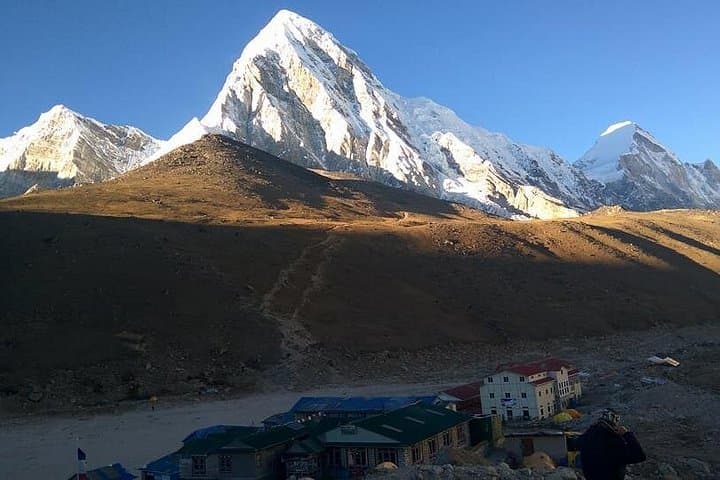
Expect long walking days (4–9 hours) on rocky, sometimes icy trails, steady elevation gains and teahouse stays where diesel stoves warm small dining rooms. Acclimatization is built into the itinerary with a scheduled rest day at 4,080–5,080 m options and a summit-style dawn climb to Kala Patthar for sunrise views of Everest.
Practically: prioritize staged altitude gain, a sleeping bag rated for sub-zero temps, and layered clothing for large diurnal swings. Hydrate proactively—water melts uphill and will test your thirst—and use trekking poles to save knees on descent. Weather can turn quickly; plan contingency days and trust your guide’s decision on pacing. This route trades the short flight drama for a fuller ground-based approach: more villages, deeper cultural contact, and an earned arrival at Everest Base Camp.
Yes—trekking in the Everest region requires TIMS and a Sagarmatha National Park permit; your operator usually arranges these.
It’s longer but less flight-dependent; you trade a short plane hop for additional trekking days and more gradual exposure to altitude.
Spring (March–May) and autumn (late September–November) offer the most stable weather and clear mountain views.
Yes—licensed guides and porters are commonly available through operators and improve pace and safety at altitude.
Mount Mania Treks Expedition P. Ltd. operates guided outdoor trips and adventures with an emphasis on safety, stewardship, and memorable experiences.
You arrive in Kathmandu with the Himalaya looming on the horizon, but instead of flying to Lukla you head east by road and jeep to Salleri, where the trail opens into terraced hills, rushing rivers and ancient rhododendron forest.
You arrive in Kathmandu with the Himalaya looming on the horizon, but instead of flying to Lukla you head east by road and jeep to Salleri, where the trail opens into terraced hills, rushing rivers and ancient rhododendron forest.
This overland approach follows old mule tracks used by Sherpa communities for generations and brings you into the heart of Solukhumbu through lesser-touristed villages. Geologically, you move from lower Siwalik foothills into the folded, uplifted beds of the High Himalaya; glaciers begin to dominate above 4,000 m and the moraine-strewn valleys lead to the stone hamlets beneath Everest. Culturally the route threads Sherpa monasteries and mani walls—Tengboche and Pangboche punctuate the trek with prayer flags and butter-lamp light.
Expect long walking days (4–9 hours) on rocky, sometimes icy trails, steady elevation gains and teahouse stays where diesel stoves warm small dining rooms. Acclimatization is built into the itinerary with a scheduled rest day at 4,080–5,080 m options and a summit-style dawn climb to Kala Patthar for sunrise views of Everest.
Practically: prioritize staged altitude gain, a sleeping bag rated for sub-zero temps, and layered clothing for large diurnal swings. Hydrate proactively—water melts uphill and will test your thirst—and use trekking poles to save knees on descent. Weather can turn quickly; plan contingency days and trust your guide’s decision on pacing. This route trades the short flight drama for a fuller ground-based approach: more villages, deeper cultural contact, and an earned arrival at Everest Base Camp.