THE ADVENTURE COLLECTIVE® · Independent discovery and booking for outdoor travel

A classic 14–15 day trek from Lukla to Everest Base Camp and Kala Patthar that moves through Sherpa villages, high alpine valleys and the moraine below Everest. Ideal for fit beginners who plan acclimatization days and early-morning Lukla flights.
A classic 14–15 day trek from Lukla to Everest Base Camp and Kala Patthar that moves through Sherpa villages, high alpine valleys and the moraine below Everest. Ideal for fit beginners who plan acclimatization days and early-morning Lukla flights.
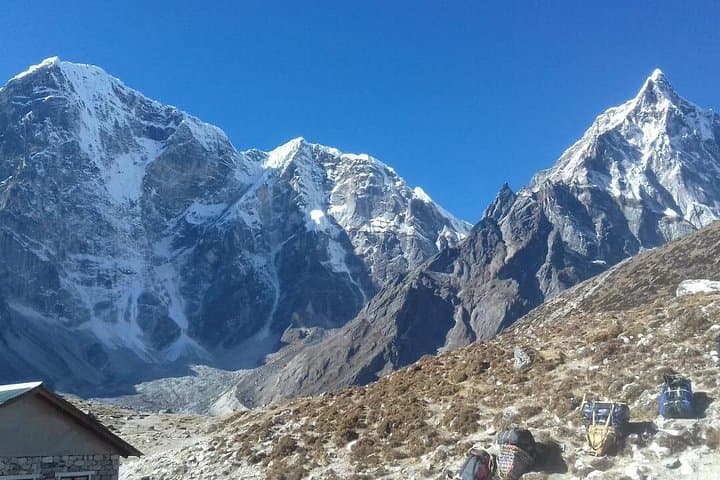
You step off a small plane at Lukla and inhale cold, thin air; the runway drops away and the mountains rise like a wall. From that first shaky descent the trail drops into the Dudh Kosi valley and threads through rhododendron and fir forests, climbs through Sherpa villages, and opens onto ice-blue vistas where Everest and its neighbors dominate the horizon.
Verified experiences and guided adventures in the surrounding area.
Operated by Adventure World Club · Kathmandu, Bagmati Province
You step off a small plane at Lukla and inhale cold, thin air; the runway drops away and the mountains rise like a wall. From that first shaky descent the trail drops into the Dudh Kosi valley and threads through rhododendron and fir forests, climbs through Sherpa villages, and opens onto ice-blue vistas where Everest and its neighbors dominate the horizon.
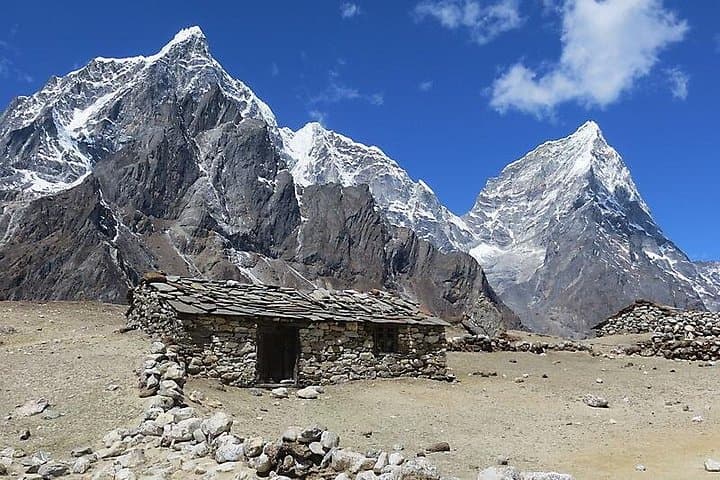
This corridor sits inside Sagarmatha (Everest) National Park, created in 1976 and listed as a UNESCO natural site in 1979. Geologically the trek follows uplifted Himalayan rock and glacial valleys carved by the Khumbu Glacier; culturally it passes through Sherpa communities where Buddhist monasteries and mani walls chart both faith and local history.
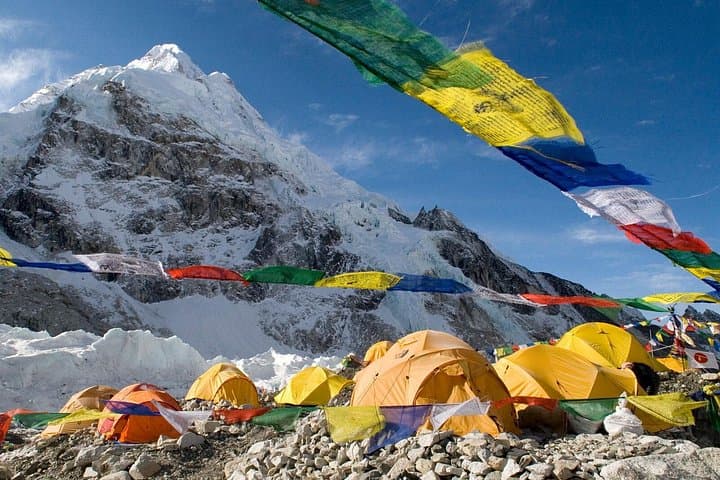
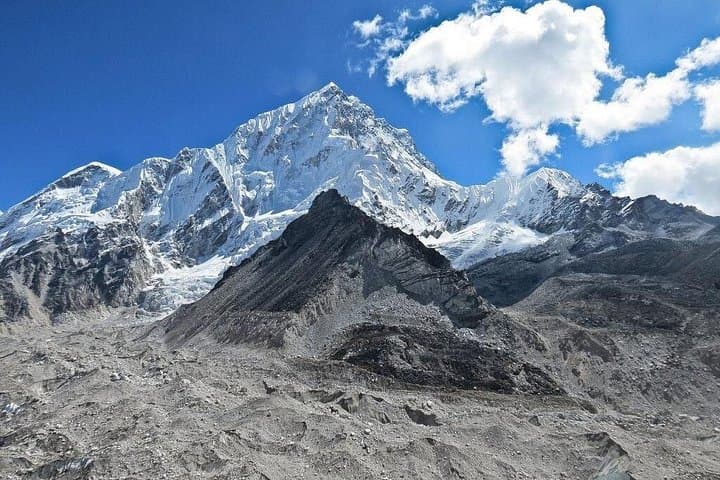
Expect daily walks of 4–7 hours, purposeful altitude gain, and a rhythm set by tea houses—simple meals, shared tables, and lodge beds. Key highlights include Namche Bazaar’s market energy, the monastery at Tengboche, the moraines above Gorak Shep, and the classic climb to Kala Patthar for sunrise panoramas of Everest and the Khumbu Icefall.
Practical edge: acclimatize with rest days (Namche, Dingboche), avoid pushing pace above 3,000–4,000 m without a stop, and plan Lukla flights for early mornings when weather is most stable. Hydration, layered insulation, sturdy boots, and a conservative itinerary are essential. This route suits trekkers in good health with steady fitness and a willingness to carry a daypack in cold, windy conditions.
No technical climbing experience required, but prior multiday trekking experience and good cardiovascular fitness help; acclimatization days are critical.
Trekkers need Sagarmatha National Park entry permit and TIMS/trekking information management system card, usually arranged by your operator.
Lukla flights run early and are weather-dependent; cancellations are common—build buffer days into your itinerary.
Tea houses provide basic toilets; waste management varies—carry hand sanitizer and toilet paper, and use eco-friendly practices when possible.
Adventure World Club operates guided outdoor trips and adventures with an emphasis on safety, stewardship, and memorable experiences.
You step off a small plane at Lukla and inhale cold, thin air; the runway drops away and the mountains rise like a wall. From that first shaky descent the trail drops into the Dudh Kosi valley and threads through rhododendron and fir forests, climbs through Sherpa villages, and opens onto ice-blue vistas where Everest and its neighbors dominate the horizon.
You step off a small plane at Lukla and inhale cold, thin air; the runway drops away and the mountains rise like a wall. From that first shaky descent the trail drops into the Dudh Kosi valley and threads through rhododendron and fir forests, climbs through Sherpa villages, and opens onto ice-blue vistas where Everest and its neighbors dominate the horizon.
This corridor sits inside Sagarmatha (Everest) National Park, created in 1976 and listed as a UNESCO natural site in 1979. Geologically the trek follows uplifted Himalayan rock and glacial valleys carved by the Khumbu Glacier; culturally it passes through Sherpa communities where Buddhist monasteries and mani walls chart both faith and local history.
Expect daily walks of 4–7 hours, purposeful altitude gain, and a rhythm set by tea houses—simple meals, shared tables, and lodge beds. Key highlights include Namche Bazaar’s market energy, the monastery at Tengboche, the moraines above Gorak Shep, and the classic climb to Kala Patthar for sunrise panoramas of Everest and the Khumbu Icefall.
Practical edge: acclimatize with rest days (Namche, Dingboche), avoid pushing pace above 3,000–4,000 m without a stop, and plan Lukla flights for early mornings when weather is most stable. Hydration, layered insulation, sturdy boots, and a conservative itinerary are essential. This route suits trekkers in good health with steady fitness and a willingness to carry a daypack in cold, windy conditions.