THE ADVENTURE COLLECTIVE® · Independent discovery and booking for outdoor travel

A 22-day, high-altitude traverse from Lukla through Gokyo and Kala Pattar that combines glacier moraines, Sherpa villages and panoramic views of Everest and neighboring 8,000m peaks. Read on for what to expect on trail, how to prepare, and tips for acclimatization and gear.
A 22-day, high-altitude traverse from Lukla through Gokyo and Kala Pattar that combines glacier moraines, Sherpa villages and panoramic views of Everest and neighboring 8,000m peaks. Read on for what to expect on trail, how to prepare, and tips for acclimatization and gear.
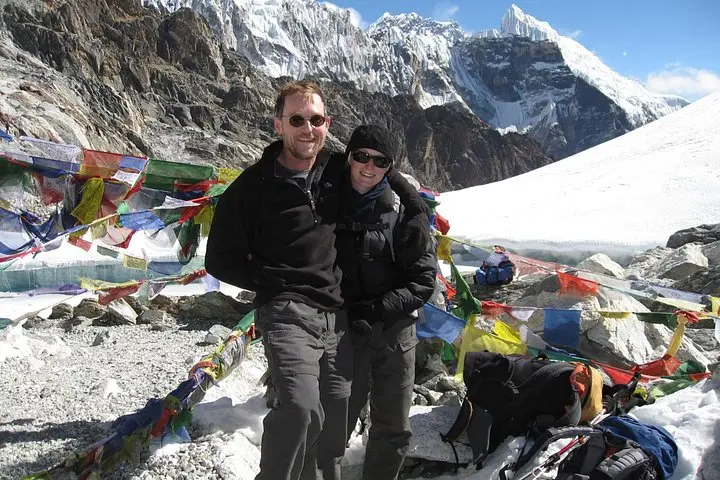
The air in Kathmandu tastes of diesel and cardamom as you board a short, white-knuckled flight to Lukla; below, terraces and prayer flags shrink into the ragged ribs of the Khumbu. From Lukla the trail quickly becomes a high-mountain artery: rivers daring you to keep pace, rhododendron and pine giving way to wind-scoured moraine and the slow, blue bulk of Ngozumpa Glacier.
Verified experiences and guided adventures in the surrounding area.
Operated by Nepal Nomad Trekking · Lukla, Province No. 1
The air in Kathmandu tastes of diesel and cardamom as you board a short, white-knuckled flight to Lukla; below, terraces and prayer flags shrink into the ragged ribs of the Khumbu. From Lukla the trail quickly becomes a high-mountain artery: rivers daring you to keep pace, rhododendron and pine giving way to wind-scoured moraine and the slow, blue bulk of Ngozumpa Glacier.
This route threads Sherpa villages, centuries-old mani walls and Himalayan geology laid bare—granite spines, terminal moraines and melt-fed lakes hewn from ice. Culturally, the Khumbu is Sherpa country: monasteries, high-altitude teahouses and the legacy of early Himalayan exploration, from Sir Edmund Hillary’s airstrip at Lukla to the modern logistics that resupply Everest base camps.
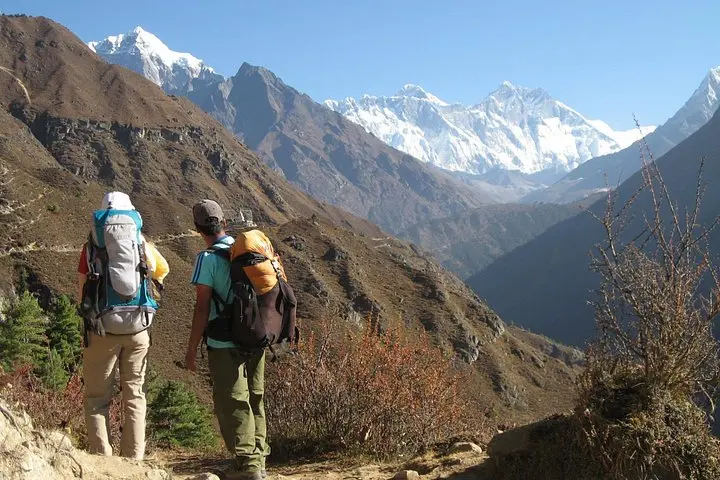
Expect steady, short days for acclimatization punctuated by long crossings (Cho La, Renjo La) and summit-style vantage climbs—Gokyo Ri and Kala Pattar—where four 8,000m giants dominate the skyline. The terrain shifts from forested trails to rocky ridgelines, glacial sands and snowfields; basic scrambling and route-finding on marked cairns can be required.
Practical edge: plan for 18–22 days on trail, a domestic luggage cap (~15 kg), and a strict layering system. Hydrate early and often, move deliberately on ascents, and carry basic altitude meds (consult a physician). Lodges are simple family-run teahouses—sleeping bags and a warm down jacket are essential. Weather windows matter: spring and autumn bring stable conditions; monsoon and deep winter increase objective hazards. Respect local customs, pack out waste when possible, and allow extra days for weather or acclimatization delays.
Trekking in the Khumbu requires Sagarmatha National Park permit and a TIMS card; your operator usually arranges these before departure.
Most domestic carriers allow about 15 kg combined between duffel and daypack; excess baggage may be delayed on later flights.
No technical mountaineering skills are required for this itinerary, but prior high-altitude trekking experience and good fitness are strongly recommended.
With the built-in acclimatization days, severe illness is uncommon, but headaches, nausea and sleep disruption can occur—descending is the primary treatment.
Nepal Nomad Trekking operates guided outdoor trips and adventures with an emphasis on safety, stewardship, and memorable experiences.
The air in Kathmandu tastes of diesel and cardamom as you board a short, white-knuckled flight to Lukla; below, terraces and prayer flags shrink into the ragged ribs of the Khumbu. From Lukla the trail quickly becomes a high-mountain artery: rivers daring you to keep pace, rhododendron and pine giving way to wind-scoured moraine and the slow, blue bulk of Ngozumpa Glacier.
The air in Kathmandu tastes of diesel and cardamom as you board a short, white-knuckled flight to Lukla; below, terraces and prayer flags shrink into the ragged ribs of the Khumbu. From Lukla the trail quickly becomes a high-mountain artery: rivers daring you to keep pace, rhododendron and pine giving way to wind-scoured moraine and the slow, blue bulk of Ngozumpa Glacier.
This route threads Sherpa villages, centuries-old mani walls and Himalayan geology laid bare—granite spines, terminal moraines and melt-fed lakes hewn from ice. Culturally, the Khumbu is Sherpa country: monasteries, high-altitude teahouses and the legacy of early Himalayan exploration, from Sir Edmund Hillary’s airstrip at Lukla to the modern logistics that resupply Everest base camps.
Expect steady, short days for acclimatization punctuated by long crossings (Cho La, Renjo La) and summit-style vantage climbs—Gokyo Ri and Kala Pattar—where four 8,000m giants dominate the skyline. The terrain shifts from forested trails to rocky ridgelines, glacial sands and snowfields; basic scrambling and route-finding on marked cairns can be required.
Practical edge: plan for 18–22 days on trail, a domestic luggage cap (~15 kg), and a strict layering system. Hydrate early and often, move deliberately on ascents, and carry basic altitude meds (consult a physician). Lodges are simple family-run teahouses—sleeping bags and a warm down jacket are essential. Weather windows matter: spring and autumn bring stable conditions; monsoon and deep winter increase objective hazards. Respect local customs, pack out waste when possible, and allow extra days for weather or acclimatization delays.