THE ADVENTURE COLLECTIVE® · Independent discovery and booking for outdoor travel

A full 63-day Khumbu-route expedition from Kathmandu to the summit of Everest. This guided program includes Lukla flights, acclimatization climbs, group oxygen and helicopter rescue provisions for staff.
A full 63-day Khumbu-route expedition from Kathmandu to the summit of Everest. This guided program includes Lukla flights, acclimatization climbs, group oxygen and helicopter rescue provisions for staff.
The day begins before dawn in Kathmandu — a city of prayer flags, last-minute gear checks and the electric buzz of climbers heading north. Within a week you're airborne to Lukla, the runway already shrinking beneath the plane, and then hiking into the high valley where the Khumbu Glacier grinds and the icefall dares you forward.
Verified experiences and guided adventures in the surrounding area.
Operated by Peak Promotion · Kathmandu, Bagmati Province
The day begins before dawn in Kathmandu — a city of prayer flags, last-minute gear checks and the electric buzz of climbers heading north. Within a week you're airborne to Lukla, the runway already shrinking beneath the plane, and then hiking into the high valley where the Khumbu Glacier grinds and the icefall dares you forward.
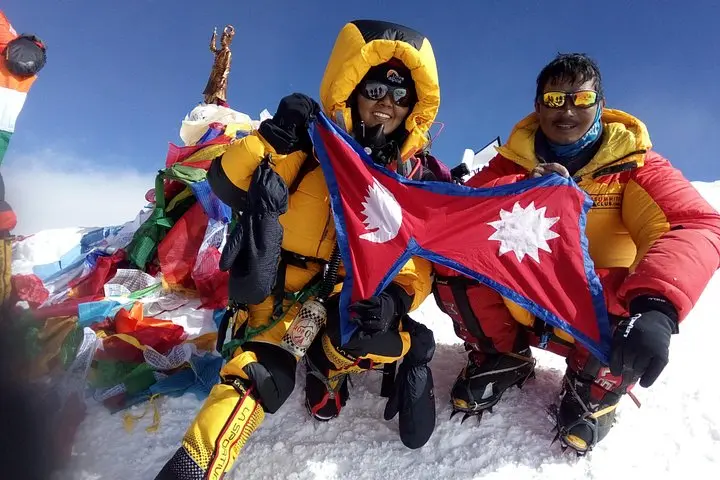
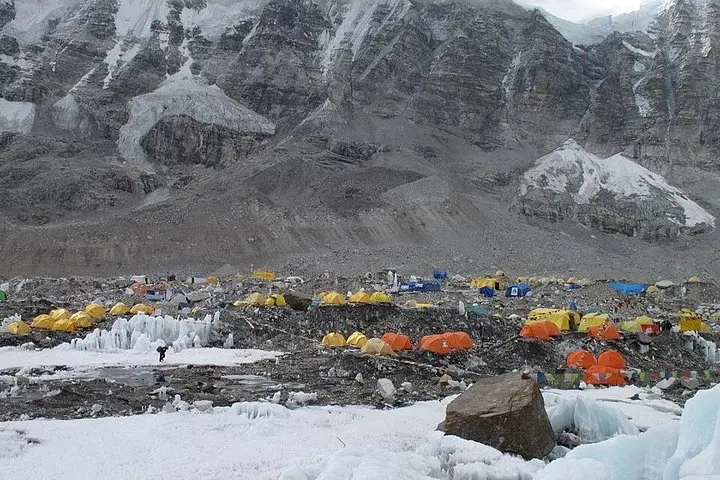
This itinerary follows the classic Khumbu approach: Phakding (2,800m), Namche Bazaar (3,440m) with acclimatization, Tengboche Monastery (3,860m), Dingboche (4,243m), Lobuche (4,930m) and Everest Base Camp (5,364m) before a multi-week summit push to 8,848m. The route threads Himalayan geology — young, rising sedimentary strata folded into jagged seracs — and Sherpa culture, from tea houses to the prayer-wheel cadence at Tengboche. The climb connects to a mountaineering lineage dating to Hillary and Tenzing’s 1953 first ascent and to modern high-altitude expedition logistics: fixed ropes, oxygen systems and organized base camp services.
Practically, expect 63 days of travel, staged acclimatization, glacier travel and technical high-altitude climbing. Physical demands are extreme: prolonged aerobic fitness, cold-weather tolerance and prior alpine experience are essential. The operator includes permits, Lukla flights, group oxygen and a pre-summit acclimatization climb of Island Peak (6,189m), plus helicopter rescue provisions for staff and evacuation contingencies.
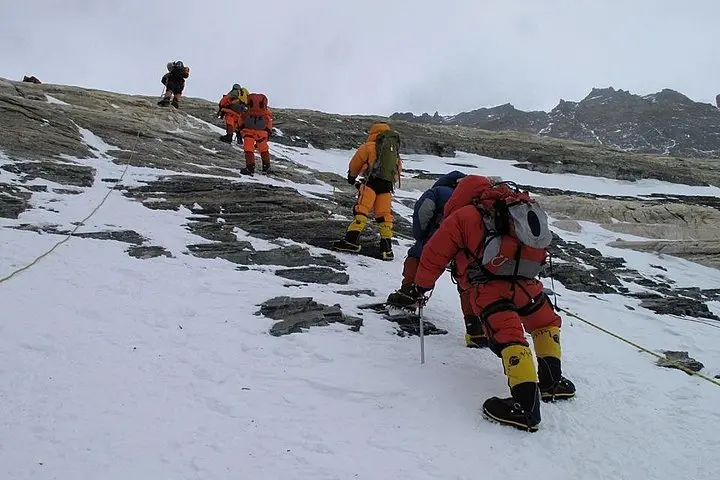
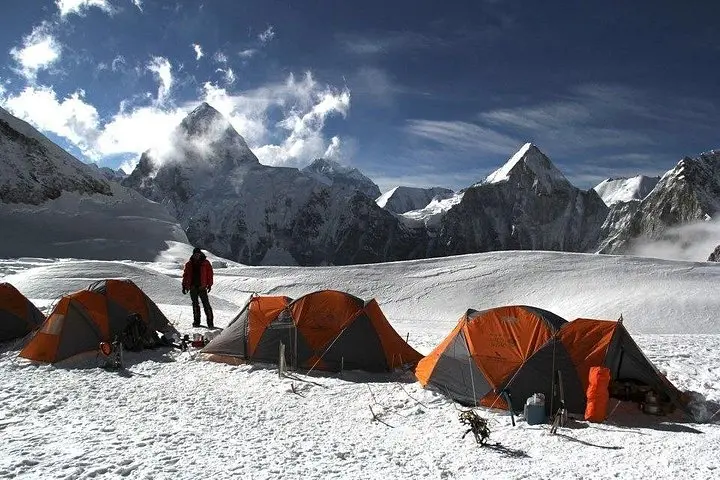
Plan for variable weather, slow, conservative pacing on summit windows, and strict altitude awareness. Hydrate, stick to the acclimatization schedule, and bring layered technical clothing, crampons, ice tools and a reliable sleeping system. For serious mountaineers this remains the definitive high-altitude expedition — raw, logistical and uncompromising — rewarding meticulous preparation with the pinnacle of Himalayan climbing.
Pre-monsoon spring (April–May) is the standard window for summit attempts due to more stable weather and established route fixing.
Yes — applicants should have substantial high-altitude, technical climbing experience and prior expeditions above 6,000m.
Operators typically include helicopter evacuation planning for staff and have satellite communications; climbers should carry personal high-altitude rescue insurance.
Yes — the expedition package covers necessary Everest permits and round-trip Kathmandu–Lukla flights as listed in the inclusions.
Peak Promotion operates guided outdoor trips and adventures with an emphasis on safety, stewardship, and memorable experiences.
The day begins before dawn in Kathmandu — a city of prayer flags, last-minute gear checks and the electric buzz of climbers heading north. Within a week you're airborne to Lukla, the runway already shrinking beneath the plane, and then hiking into the high valley where the Khumbu Glacier grinds and the icefall dares you forward.
The day begins before dawn in Kathmandu — a city of prayer flags, last-minute gear checks and the electric buzz of climbers heading north. Within a week you're airborne to Lukla, the runway already shrinking beneath the plane, and then hiking into the high valley where the Khumbu Glacier grinds and the icefall dares you forward.
This itinerary follows the classic Khumbu approach: Phakding (2,800m), Namche Bazaar (3,440m) with acclimatization, Tengboche Monastery (3,860m), Dingboche (4,243m), Lobuche (4,930m) and Everest Base Camp (5,364m) before a multi-week summit push to 8,848m. The route threads Himalayan geology — young, rising sedimentary strata folded into jagged seracs — and Sherpa culture, from tea houses to the prayer-wheel cadence at Tengboche. The climb connects to a mountaineering lineage dating to Hillary and Tenzing’s 1953 first ascent and to modern high-altitude expedition logistics: fixed ropes, oxygen systems and organized base camp services.
Practically, expect 63 days of travel, staged acclimatization, glacier travel and technical high-altitude climbing. Physical demands are extreme: prolonged aerobic fitness, cold-weather tolerance and prior alpine experience are essential. The operator includes permits, Lukla flights, group oxygen and a pre-summit acclimatization climb of Island Peak (6,189m), plus helicopter rescue provisions for staff and evacuation contingencies.
Plan for variable weather, slow, conservative pacing on summit windows, and strict altitude awareness. Hydrate, stick to the acclimatization schedule, and bring layered technical clothing, crampons, ice tools and a reliable sleeping system. For serious mountaineers this remains the definitive high-altitude expedition — raw, logistical and uncompromising — rewarding meticulous preparation with the pinnacle of Himalayan climbing.