THE ADVENTURE COLLECTIVE® · Independent discovery and booking for outdoor travel

A 12‑day high‑altitude trek into the Gokyo Valley that combines glacial lakes, towering Himalayan panoramas and Sherpa village life. Expect steep climbs, basic tea‑house stays, and one of the clearest vantage points for Everest from Gokyo Ri.
A 12‑day high‑altitude trek into the Gokyo Valley that combines glacial lakes, towering Himalayan panoramas and Sherpa village life. Expect steep climbs, basic tea‑house stays, and one of the clearest vantage points for Everest from Gokyo Ri.
You step off the tiny twin-prop at Lukla and the air tastes like altitude and pine smoke. The Dudh Koshi river, threaded with prayer-flagged suspension bridges, dares you forward as terraced hills give way to steep rhododendron slopes and then the hard, pale world of moraine and ice.
Verified experiences and guided adventures in the surrounding area.
Operated by Trekking Planner Nepal · Gokyo, Solukhumbu
You step off the tiny twin-prop at Lukla and the air tastes like altitude and pine smoke. The Dudh Koshi river, threaded with prayer-flagged suspension bridges, dares you forward as terraced hills give way to steep rhododendron slopes and then the hard, pale world of moraine and ice.
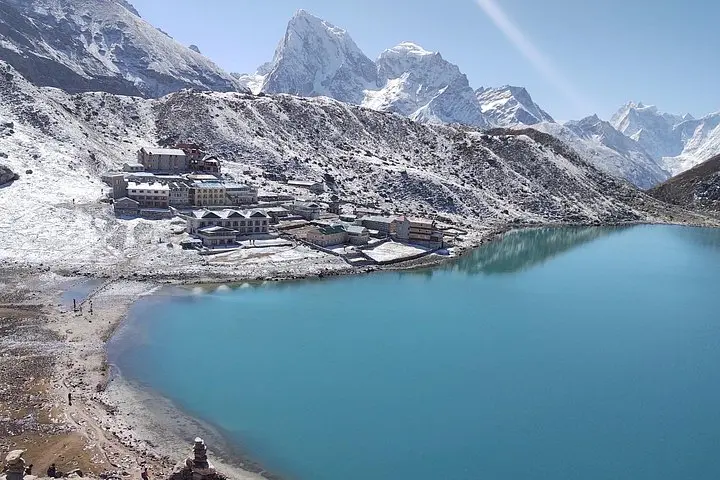
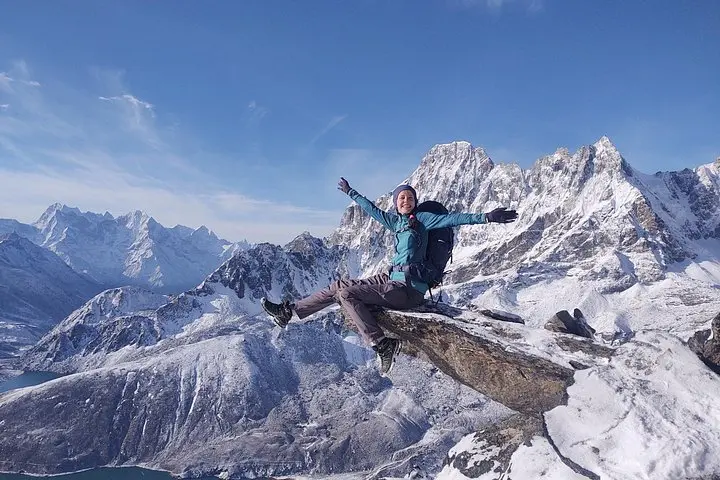
This 12-day route threads through the heart of Sagarmatha National Park, a UNESCO-protected landscape shaped by Nepal’s highest peaks and the long Ngozumpa glacier. The Gokyo Lakes — emerald basins rimmed by boulder fields — sit beneath the broad shoulders of Cho-Oyu and, on clear mornings, a commanding view of Everest from Gokyo Ri (5,463 m). Sherpa culture is present at every turn: mani stones and fluttering flags mark spiritual routes, and small tea houses carry stories of Himalayan trade, mountaineering history and Sir Edmund Hillary’s community projects.
Geology here is visible: glacial polish, terminal moraines, and steep, glaciated flanks that frame a landscape still actively rearranging itself under seasonal melt.
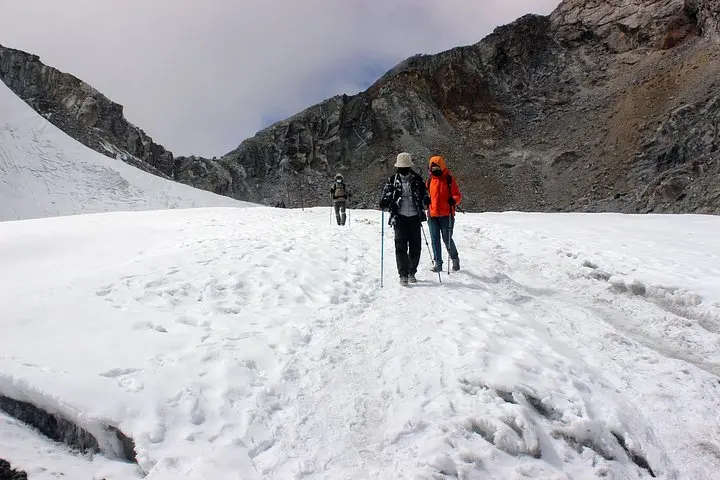
Practical guide: allow time for acclimatization (rest day in Namche Bazaar), move deliberately above 3,500 m, and expect cold nights even in shoulder seasons. Tea-house lodging provides basic dormitory comforts and hot meals; the trail alternates steep switchbacks, rocky ridgelines, and glacier-moraine walking. Pack for variable weather, use trekking poles to protect knees on the descents, and carry solid layers plus a high-quality sleeping bag rated for subzero nights. Flights to/from Lukla are weather‑dependent; build flexibility into your schedule and respect local conservation rules: pack out waste and support registered guides and porters.
No technical climbing skills are required; Gokyo Ri is a steep hike requiring good fitness and attention to altitude, but it is non‑technical.
You’ll ascend gradually to highs around 5,463 m at Gokyo Ri; daily gains vary but plan for several sustained climbs and proper acclimatization.
Tea houses provide basic heated common areas and simple rooms with mattress and blankets; bring a warm sleeping bag for cold nights.
No—Lukla flights are weather‑dependent; operators recommend scheduling buffer days for potential delays.
Trekking Planner Nepal operates guided outdoor trips and adventures with an emphasis on safety, stewardship, and memorable experiences.
You step off the tiny twin-prop at Lukla and the air tastes like altitude and pine smoke. The Dudh Koshi river, threaded with prayer-flagged suspension bridges, dares you forward as terraced hills give way to steep rhododendron slopes and then the hard, pale world of moraine and ice.
You step off the tiny twin-prop at Lukla and the air tastes like altitude and pine smoke. The Dudh Koshi river, threaded with prayer-flagged suspension bridges, dares you forward as terraced hills give way to steep rhododendron slopes and then the hard, pale world of moraine and ice.
This 12-day route threads through the heart of Sagarmatha National Park, a UNESCO-protected landscape shaped by Nepal’s highest peaks and the long Ngozumpa glacier. The Gokyo Lakes — emerald basins rimmed by boulder fields — sit beneath the broad shoulders of Cho-Oyu and, on clear mornings, a commanding view of Everest from Gokyo Ri (5,463 m). Sherpa culture is present at every turn: mani stones and fluttering flags mark spiritual routes, and small tea houses carry stories of Himalayan trade, mountaineering history and Sir Edmund Hillary’s community projects.
Geology here is visible: glacial polish, terminal moraines, and steep, glaciated flanks that frame a landscape still actively rearranging itself under seasonal melt.
Practical guide: allow time for acclimatization (rest day in Namche Bazaar), move deliberately above 3,500 m, and expect cold nights even in shoulder seasons. Tea-house lodging provides basic dormitory comforts and hot meals; the trail alternates steep switchbacks, rocky ridgelines, and glacier-moraine walking. Pack for variable weather, use trekking poles to protect knees on the descents, and carry solid layers plus a high-quality sleeping bag rated for subzero nights. Flights to/from Lukla are weather‑dependent; build flexibility into your schedule and respect local conservation rules: pack out waste and support registered guides and porters.