THE ADVENTURE COLLECTIVE® · Independent discovery and booking for outdoor travel

Skip the long march and get a concentrated, high-altitude experience: fly by helicopter from Namche to Everest Base Camp and Kala Patthar over five days. This luxury airlift pairs short hikes, Sherpa cultural stops, and dramatic glacier views with 5-star lodging in Kathmandu.
Skip the long march and get a concentrated, high-altitude experience: fly by helicopter from Namche to Everest Base Camp and Kala Patthar over five days. This luxury airlift pairs short hikes, Sherpa cultural stops, and dramatic glacier views with 5-star lodging in Kathmandu.
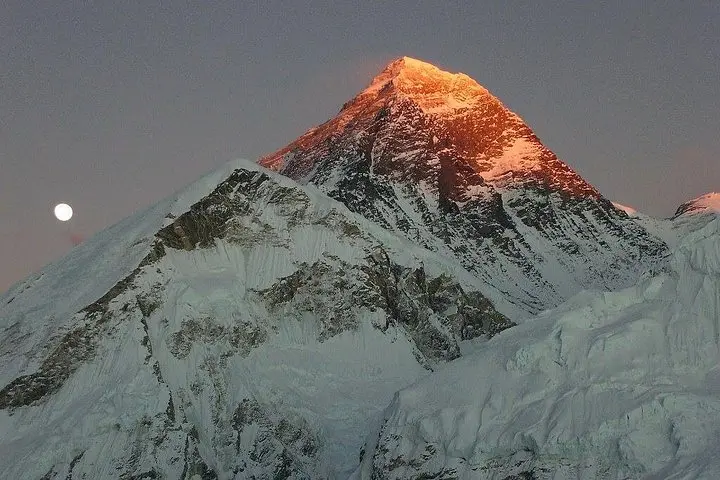
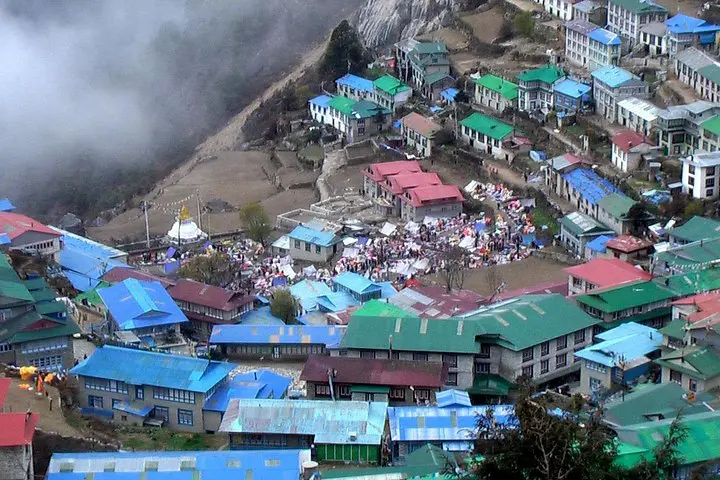
Rotor wash clears a thin Himalayan morning as the helicopter lifts off from Namche Bazaar, the valleys shrinking into a ribbon of prayer flags and rice terraces. You feel the altitude before you see it—the air is cleaner, the light harder—and then Everest fills the windshield: a white blade of rock and ice dominating the horizon. This is a short, concentrated taste of the Khumbu: a handful of high-elevation villages, a glacial theater of crevasses and seracs, and the remote chapels and schools of Sherpa communities.
Verified experiences and guided adventures in the surrounding area.
Operated by Shishu Tours & Travel · Namche Bazaar, Province No. 1
Rotor wash clears a thin Himalayan morning as the helicopter lifts off from Namche Bazaar, the valleys shrinking into a ribbon of prayer flags and rice terraces. You feel the altitude before you see it—the air is cleaner, the light harder—and then Everest fills the windshield: a white blade of rock and ice dominating the horizon. This is a short, concentrated taste of the Khumbu: a handful of high-elevation villages, a glacial theater of crevasses and seracs, and the remote chapels and schools of Sherpa communities.
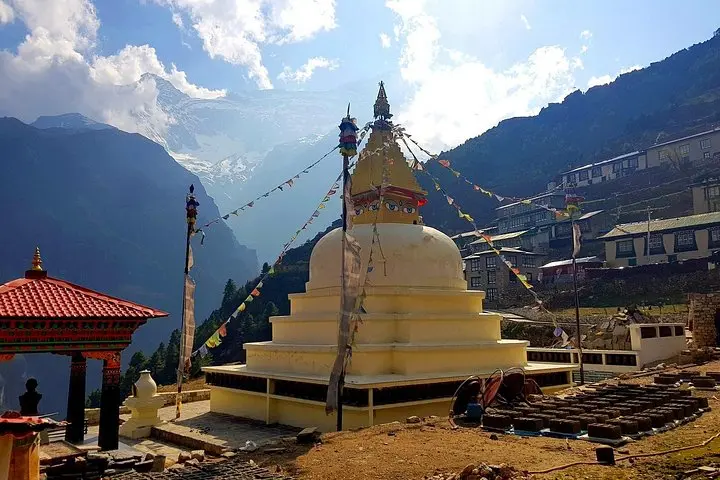
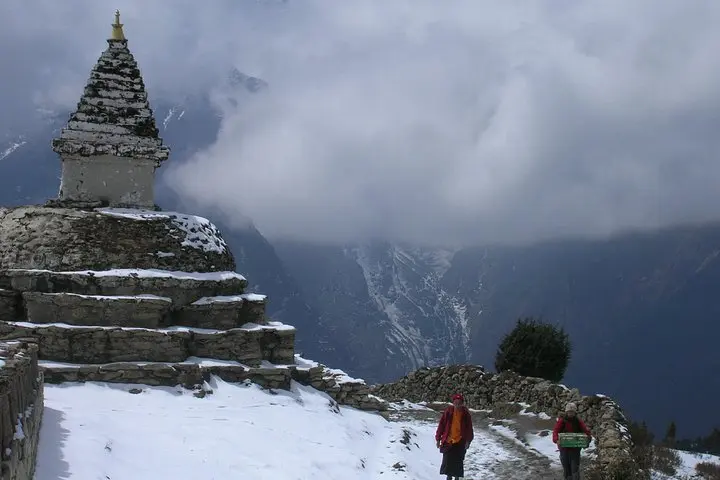
The route follows the modern history of Himalayan exploration—Tenzing and Hillary’s routes, the string of teahouses that expanded after flights to Lukla, and the network of trail bridges that made the region accessible. Geologically the Khumbu is active: uplifted metamorphic rock and a living glacier system; the Khumbu Glacier and icefall are visible from the landing zones and Kala Patthar. Local culture is pragmatic and devotional: mani walls, gompas, and clinics like the Hillary Hospital underscore community resilience.
Practical guidance: fly early—weather windows close by midday. Acclimatize in Namche and expect short hikes at altitude (Kala Patthar ~5,545m if you disembark there). Bring layers for wind and sun, and a daypack for steep, rocky paths. Permit requirements include Sagarmatha National Park and TIMS; flights to/from Lukla can delay. Hydrate deliberately, know AMS symptoms, and budget buffer time for weather-related schedule changes. The luxury package eliminates long days of trekking but not the effects of altitude—respect the mountain and plan conservatively.
Yes—Sagarmatha National Park entry and a TIMS card are required; the operator typically obtains these as part of the package.
Mountain flights are weather-dependent; cancellations or delays are common, especially in monsoon and winter—book buffer days and stay flexible.
The itinerary includes at least one landing option—either at Everest Base Camp or on the Kala Patthar ridge depending on conditions and helicopter clearance.
Yes—the trek minimizes multi-day walking, but short hikes at high altitude and basic mobility are necessary; disclose health or mobility issues when booking.
Shishu Tours & Travel operates guided outdoor trips and adventures with an emphasis on safety, stewardship, and memorable experiences.
Rotor wash clears a thin Himalayan morning as the helicopter lifts off from Namche Bazaar, the valleys shrinking into a ribbon of prayer flags and rice terraces. You feel the altitude before you see it—the air is cleaner, the light harder—and then Everest fills the windshield: a white blade of rock and ice dominating the horizon. This is a short, concentrated taste of the Khumbu: a handful of high-elevation villages, a glacial theater of crevasses and seracs, and the remote chapels and schools of Sherpa communities.
Rotor wash clears a thin Himalayan morning as the helicopter lifts off from Namche Bazaar, the valleys shrinking into a ribbon of prayer flags and rice terraces. You feel the altitude before you see it—the air is cleaner, the light harder—and then Everest fills the windshield: a white blade of rock and ice dominating the horizon. This is a short, concentrated taste of the Khumbu: a handful of high-elevation villages, a glacial theater of crevasses and seracs, and the remote chapels and schools of Sherpa communities.
The route follows the modern history of Himalayan exploration—Tenzing and Hillary’s routes, the string of teahouses that expanded after flights to Lukla, and the network of trail bridges that made the region accessible. Geologically the Khumbu is active: uplifted metamorphic rock and a living glacier system; the Khumbu Glacier and icefall are visible from the landing zones and Kala Patthar. Local culture is pragmatic and devotional: mani walls, gompas, and clinics like the Hillary Hospital underscore community resilience.
Practical guidance: fly early—weather windows close by midday. Acclimatize in Namche and expect short hikes at altitude (Kala Patthar ~5,545m if you disembark there). Bring layers for wind and sun, and a daypack for steep, rocky paths. Permit requirements include Sagarmatha National Park and TIMS; flights to/from Lukla can delay. Hydrate deliberately, know AMS symptoms, and budget buffer time for weather-related schedule changes. The luxury package eliminates long days of trekking but not the effects of altitude—respect the mountain and plan conservatively.