THE ADVENTURE COLLECTIVE® · Independent discovery and booking for outdoor travel

See Everest from the air and spend a day navigating Kathmandu’s UNESCO sites. This combo tour pairs a guaranteed window-seat mountain flight with private guided visits to Durbar Square, Swayambhunath, Pashupatinath and Boudhanath.
See Everest from the air and spend a day navigating Kathmandu’s UNESCO sites. This combo tour pairs a guaranteed window-seat mountain flight with private guided visits to Durbar Square, Swayambhunath, Pashupatinath and Boudhanath.
Before dawn the plane taxis into a silver sky and the Kathmandu Valley slips behind you — terraces, rivers and a scatter of lights shrinking as the Himalaya take command. Within an hour the world’s highest peaks rise like a carved skyline: Langtang Lirung first, then a sweep of jagged summits culminating in Everest at 8,848 m. Clouds braid around ridgelines, then part to hand you a clear view that feels improbably close.
Verified experiences and guided adventures in the surrounding area.
Operated by Cordial Trek Pvt. Ltd. · Kathmandu, Bagmati Province
Before dawn the plane taxis into a silver sky and the Kathmandu Valley slips behind you — terraces, rivers and a scatter of lights shrinking as the Himalaya take command. Within an hour the world’s highest peaks rise like a carved skyline: Langtang Lirung first, then a sweep of jagged summits culminating in Everest at 8,848 m. Clouds braid around ridgelines, then part to hand you a clear view that feels improbably close.
Back in the city the day turns from high-altitude spectacle to layered culture. Kathmandu Durbar Square shows Newar woodcarving and Malla-era palaces; Swayambhunath (the Monkey Temple) crowns a tree-strewn hill with its watchful eyes and valley vistas; Pashupatinath’s ghats along the Bagmati reveal living Hindu ritual; Boudhanath’s giant mandala pulses with prayer flags and Tibetan gompas.
Geology and history intersect: these peaks are the result of the ongoing collision of the Indian and Eurasian plates, and the valley’s monuments map centuries of trade, faith and Newar craftsmanship. Expect tight timelines — the mountain flight is weather-dependent and typically lasts 50–60 minutes, followed by a 7–8 hour private tour with hotel pickup around 05:30.
Practical guidance: carry your passport, a charged camera with a tele lens, and a windproof layer for cold morning air at altitude. Window-seat guarantees improve visibility; bring motion-sickness remedies if you’re sensitive to small turboprop vibrations. Allow a flexible day — mountain flights cancel in low cloud — and plan your itinerary for clear-season windows in spring and autumn for the best views.
The airborne portion is usually 50–60 minutes, offering a 360-degree sweep of eastern Nepal’s major peaks including Everest and Chamlang.
No—visibility depends on weather and season; clear windows are most common in autumn (Oct–Nov) and spring (Mar–Apr).
Infant seats are available and the operator notes the tour is suitable for all fitness levels, but check airline rules for lap infants and bring necessary documentation.
Operators typically offer a full refund or rescheduling; the tour description indicates cancellations for bad weather and a 24‑hour full-refund policy when canceled in that window.
Cordial Trek Pvt. Ltd. operates guided outdoor trips and adventures with an emphasis on safety, stewardship, and memorable experiences.
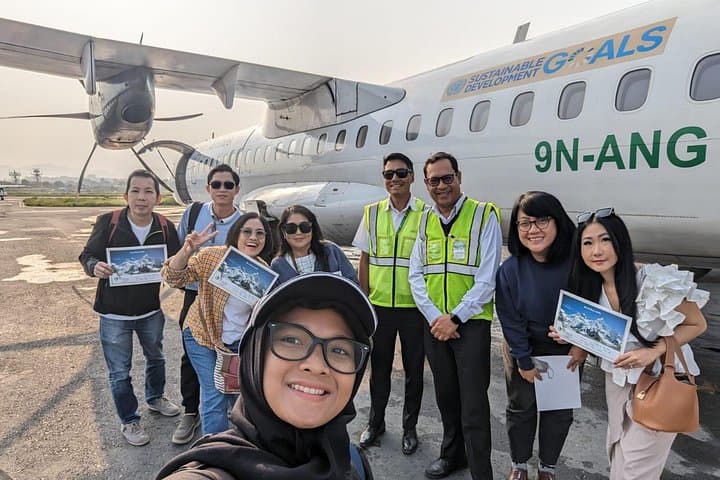
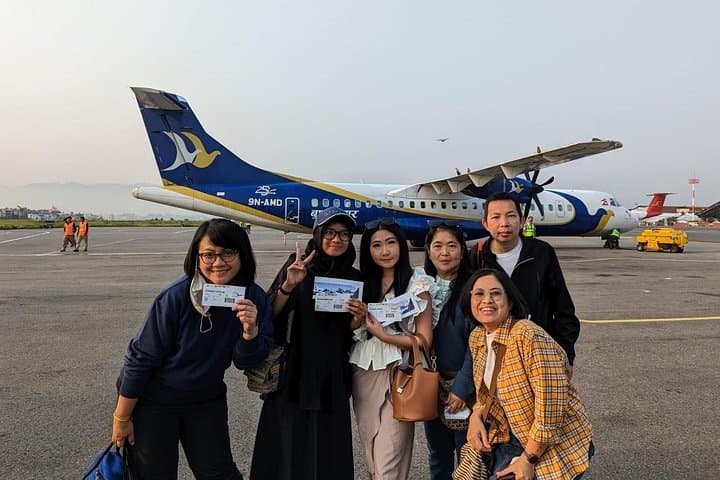
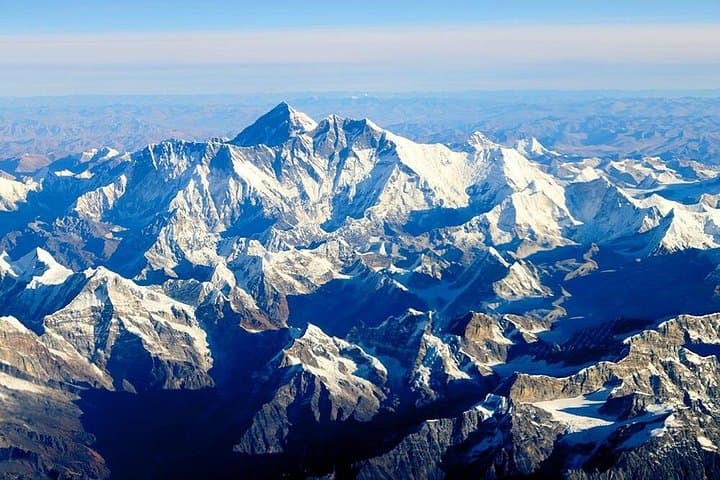
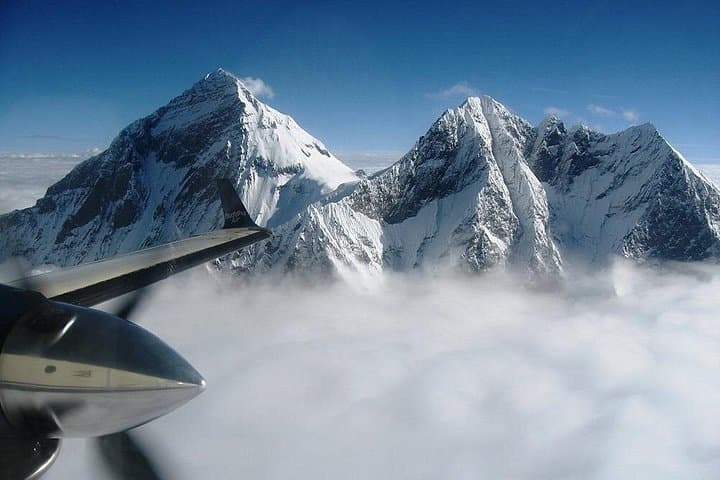
Before dawn the plane taxis into a silver sky and the Kathmandu Valley slips behind you — terraces, rivers and a scatter of lights shrinking as the Himalaya take command. Within an hour the world’s highest peaks rise like a carved skyline: Langtang Lirung first, then a sweep of jagged summits culminating in Everest at 8,848 m. Clouds braid around ridgelines, then part to hand you a clear view that feels improbably close.
Before dawn the plane taxis into a silver sky and the Kathmandu Valley slips behind you — terraces, rivers and a scatter of lights shrinking as the Himalaya take command. Within an hour the world’s highest peaks rise like a carved skyline: Langtang Lirung first, then a sweep of jagged summits culminating in Everest at 8,848 m. Clouds braid around ridgelines, then part to hand you a clear view that feels improbably close.
Back in the city the day turns from high-altitude spectacle to layered culture. Kathmandu Durbar Square shows Newar woodcarving and Malla-era palaces; Swayambhunath (the Monkey Temple) crowns a tree-strewn hill with its watchful eyes and valley vistas; Pashupatinath’s ghats along the Bagmati reveal living Hindu ritual; Boudhanath’s giant mandala pulses with prayer flags and Tibetan gompas.
Geology and history intersect: these peaks are the result of the ongoing collision of the Indian and Eurasian plates, and the valley’s monuments map centuries of trade, faith and Newar craftsmanship. Expect tight timelines — the mountain flight is weather-dependent and typically lasts 50–60 minutes, followed by a 7–8 hour private tour with hotel pickup around 05:30.
Practical guidance: carry your passport, a charged camera with a tele lens, and a windproof layer for cold morning air at altitude. Window-seat guarantees improve visibility; bring motion-sickness remedies if you’re sensitive to small turboprop vibrations. Allow a flexible day — mountain flights cancel in low cloud — and plan your itinerary for clear-season windows in spring and autumn for the best views.