THE ADVENTURE COLLECTIVE® · Independent discovery and booking for outdoor travel

Swap Kathmandu traffic for a one‑hour aerial sweep of the world’s highest peaks. This guided mountain flight includes hotel pickup, large windows for viewing, and a roughly 2–3 hour round‑trip schedule.
Swap Kathmandu traffic for a one‑hour aerial sweep of the world’s highest peaks. This guided mountain flight includes hotel pickup, large windows for viewing, and a roughly 2–3 hour round‑trip schedule.
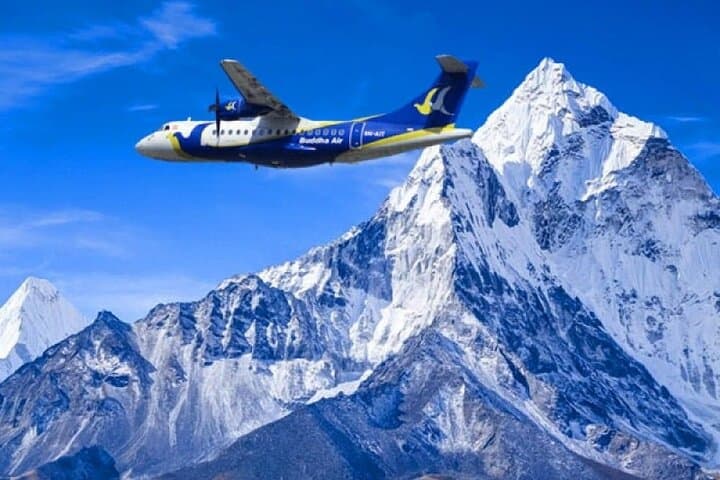
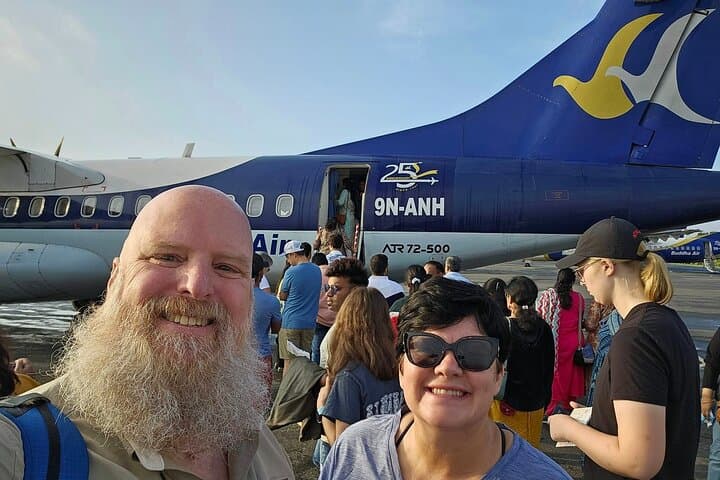
You wait in the hotel lobby as a small coach threads through Kathmandu traffic toward the domestic terminal; within an hour you’ll trade crowded streets for thin-air horizons. Climb into a high‑wing aircraft built for sightseeing, pick a window seat, and watch the Kathmandu Valley shrink as the Himalaya pushes up like a folded edge of earth.
Verified experiences and guided adventures in the surrounding area.
Operated by Worldwide Tourism Inc - Highly Recommended Travel Company · Kathmandu, Bagmati Province
You wait in the hotel lobby as a small coach threads through Kathmandu traffic toward the domestic terminal; within an hour you’ll trade crowded streets for thin-air horizons. Climb into a high‑wing aircraft built for sightseeing, pick a window seat, and watch the Kathmandu Valley shrink as the Himalaya pushes up like a folded edge of earth.
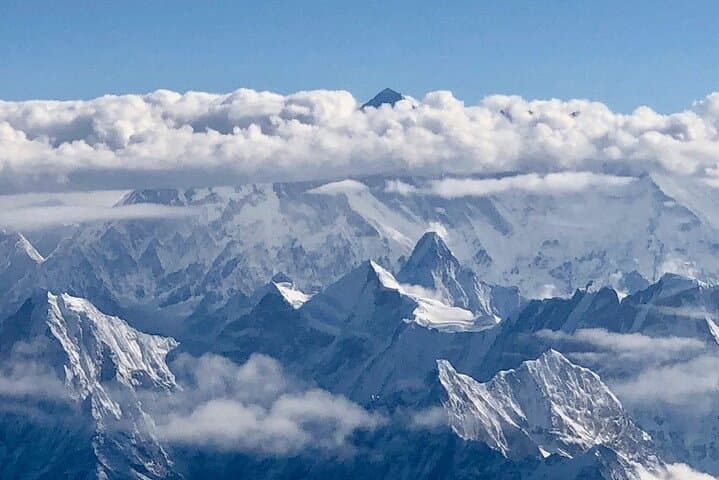
The flight arc takes you past the Langtang range and over deep glacial valleys toward the Everest massif. On a clear day the triangular summit of Everest juts above a ring of giants — Lhotse, Nuptse, Ama Dablam, Cho Oyu and Makalu — their ridgelines and hanging glaciers carved by the collision of the Indian and Eurasian plates. These peaks tell the region’s geological story: fast uplift, brittle rock, and glaciers that still carve the valleys below.
Culturally, the flight brushes the high country of Sherpa communities long tied to mountaineering; villages you glimpse from above are gateways for climbers and pilgrims alike.
Practically, the tour is straightforward: about 60 minutes in the air and 2–3 hours door‑to‑door with hotel pickup and drop‑off. Dress in layers — temperatures at altitude drop quickly — and bring a camera with a zoom and polarizer. Windows are large but reflections happen; avoid flash. Flights are weather‑dependent: visibility and turbulence matter, so plan this early in your trip to allow a rebook if clouds close in. With minimal physical demand and maximum visual payoff, it’s one of the most efficient ways to see Everest without committing to a trek.
Flights aim to get you close enough for clear views, but visibility depends on weather; book early and allow a buffer day for rebooking if clouds or haze obstruct the summit.
The airborne portion is about 60 minutes; hotel pickup, airport procedures and return transport make the full experience roughly 2–3 hours.
Yes — the operator lists wheelchair and stroller access and the flight itself requires no physical exertion, but confirm specific mobility assistance needs ahead of time.
Weather cancellations are common; the tour offers full refunds if canceled at least 24 hours before departure or when flights are grounded due to weather, so check the operator’s policy when booking.
Worldwide Tourism Inc - Highly Recommended Travel Company operates guided outdoor trips and adventures with an emphasis on safety, stewardship, and memorable experiences.

You wait in the hotel lobby as a small coach threads through Kathmandu traffic toward the domestic terminal; within an hour you’ll trade crowded streets for thin-air horizons. Climb into a high‑wing aircraft built for sightseeing, pick a window seat, and watch the Kathmandu Valley shrink as the Himalaya pushes up like a folded edge of earth.
You wait in the hotel lobby as a small coach threads through Kathmandu traffic toward the domestic terminal; within an hour you’ll trade crowded streets for thin-air horizons. Climb into a high‑wing aircraft built for sightseeing, pick a window seat, and watch the Kathmandu Valley shrink as the Himalaya pushes up like a folded edge of earth.
The flight arc takes you past the Langtang range and over deep glacial valleys toward the Everest massif. On a clear day the triangular summit of Everest juts above a ring of giants — Lhotse, Nuptse, Ama Dablam, Cho Oyu and Makalu — their ridgelines and hanging glaciers carved by the collision of the Indian and Eurasian plates. These peaks tell the region’s geological story: fast uplift, brittle rock, and glaciers that still carve the valleys below.
Culturally, the flight brushes the high country of Sherpa communities long tied to mountaineering; villages you glimpse from above are gateways for climbers and pilgrims alike.
Practically, the tour is straightforward: about 60 minutes in the air and 2–3 hours door‑to‑door with hotel pickup and drop‑off. Dress in layers — temperatures at altitude drop quickly — and bring a camera with a zoom and polarizer. Windows are large but reflections happen; avoid flash. Flights are weather‑dependent: visibility and turbulence matter, so plan this early in your trip to allow a rebook if clouds close in. With minimal physical demand and maximum visual payoff, it’s one of the most efficient ways to see Everest without committing to a trek.