THE ADVENTURE COLLECTIVE® · Independent discovery and booking for outdoor travel

This 19‑day circuit threads three 5,300m passes through the Khumbu: Kongma La, Cho La and Renjo La. Expect glacier moraines, Gokyo’s blue lakes, tea‑house nights and sustained high‑altitude trekking.
This 19‑day circuit threads three 5,300m passes through the Khumbu: Kongma La, Cho La and Renjo La. Expect glacier moraines, Gokyo’s blue lakes, tea‑house nights and sustained high‑altitude trekking.
You rise before dawn in Kathmandu, the city lights shrinking beneath a small Twin Otter as it arcs toward Lukla. The air tastes of diesel and anticipation; below, the Khumbu valley opens into a chain of ridgelines, monasteries and prayer flags that mark the route inward. Over the next three weeks the trail alternates between rhododendron forests and wind-scoured moraines, climbing steep switchbacks to Chhukung, threading narrow ice-scarred gullies over Cho La and cresting the Kongma La and Renjo La passes above 5,300 m.
Verified experiences and guided adventures in the surrounding area.
Operated by Trekking Organizer Company in Nepal · Kathmandu, Bagmati Province
You rise before dawn in Kathmandu, the city lights shrinking beneath a small Twin Otter as it arcs toward Lukla. The air tastes of diesel and anticipation; below, the Khumbu valley opens into a chain of ridgelines, monasteries and prayer flags that mark the route inward. Over the next three weeks the trail alternates between rhododendron forests and wind-scoured moraines, climbing steep switchbacks to Chhukung, threading narrow ice-scarred gullies over Cho La and cresting the Kongma La and Renjo La passes above 5,300 m.
Geology here is raw: glacial moraines, exposed granite and the Ngozumpa Icefall, Nepal’s longest glacier, sculpt a landscape shaped by ice and uplift. Sherpa culture is ever-present — mani stones, hilltop gompas and the Hillary School speak to a highland life centered on Buddhism and mountaineering history. Gokyo’s turquoise lakes offer quieter views of Everest than the usual southern approaches and provide a rare window into high-altitude hydrology.
Practically, expect 6–8 hours of walking on long days, basic tea-house lodging, and cold nights. Acclimatization days in Namche and Dingboche are built into the itinerary for safety. Sturdy, broken-terrain hiking and simple scrambling on scree are common; weather can change fast, so layered clothing, sun protection and a headlamp for early starts are essential. Altitude is the principal hazard — hydrate, keep a steady pace and communicate symptoms early. For the committed trekker, the Three High Pass route delivers high-alpine exposure, cultural depth and some of the clearest panoramic views in the Khumbu.
Previous high‑altitude trekking experience is strongly advised; the route crosses 5,300 m passes and requires good fitness and sensible pacing.
Teahouse (tourist standard) lodges with basic private or shared rooms, simple hot meals and limited hot water on demand.
Guides carry satellite or local cell communication where available; helicopter evacuation is possible from Lukla or mountain landing zones but costly — travel insurance covering high‑altitude evacuation is essential.
Kongma La is optional on some itineraries; guides may reroute around it in poor conditions to prioritize safety.
Trekking Organizer Company in Nepal operates guided outdoor trips and adventures with an emphasis on safety, stewardship, and memorable experiences.
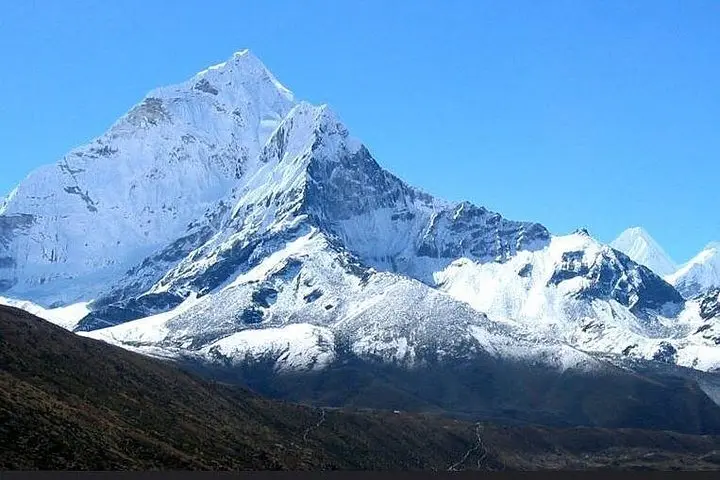
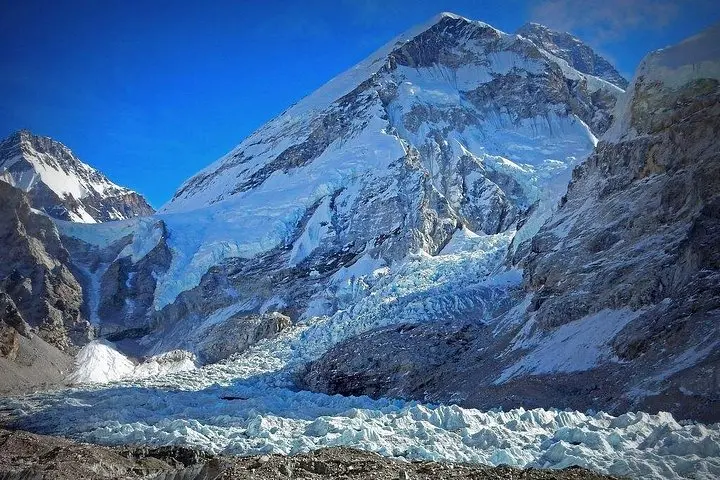
You rise before dawn in Kathmandu, the city lights shrinking beneath a small Twin Otter as it arcs toward Lukla. The air tastes of diesel and anticipation; below, the Khumbu valley opens into a chain of ridgelines, monasteries and prayer flags that mark the route inward. Over the next three weeks the trail alternates between rhododendron forests and wind-scoured moraines, climbing steep switchbacks to Chhukung, threading narrow ice-scarred gullies over Cho La and cresting the Kongma La and Renjo La passes above 5,300 m.
You rise before dawn in Kathmandu, the city lights shrinking beneath a small Twin Otter as it arcs toward Lukla. The air tastes of diesel and anticipation; below, the Khumbu valley opens into a chain of ridgelines, monasteries and prayer flags that mark the route inward. Over the next three weeks the trail alternates between rhododendron forests and wind-scoured moraines, climbing steep switchbacks to Chhukung, threading narrow ice-scarred gullies over Cho La and cresting the Kongma La and Renjo La passes above 5,300 m.
Geology here is raw: glacial moraines, exposed granite and the Ngozumpa Icefall, Nepal’s longest glacier, sculpt a landscape shaped by ice and uplift. Sherpa culture is ever-present — mani stones, hilltop gompas and the Hillary School speak to a highland life centered on Buddhism and mountaineering history. Gokyo’s turquoise lakes offer quieter views of Everest than the usual southern approaches and provide a rare window into high-altitude hydrology.
Practically, expect 6–8 hours of walking on long days, basic tea-house lodging, and cold nights. Acclimatization days in Namche and Dingboche are built into the itinerary for safety. Sturdy, broken-terrain hiking and simple scrambling on scree are common; weather can change fast, so layered clothing, sun protection and a headlamp for early starts are essential. Altitude is the principal hazard — hydrate, keep a steady pace and communicate symptoms early. For the committed trekker, the Three High Pass route delivers high-alpine exposure, cultural depth and some of the clearest panoramic views in the Khumbu.