THE ADVENTURE COLLECTIVE® · Independent discovery and booking for outdoor travel

A 17-day high-altitude traverse through the Khumbu that crosses Renjo La, Cho La and Kongma La. Expect long days, rocky cols, teahouse nights and essential acclimatization.
A 17-day high-altitude traverse through the Khumbu that crosses Renjo La, Cho La and Kongma La. Expect long days, rocky cols, teahouse nights and essential acclimatization.
You step off the short Lukla runway into thin air and a ridge of Himalayan wind that seems to test your intent before the trail does. For the next 17 days the Khumbu will press and reward you in equal measure — villages with prayer flags snapping, glaciers grinding in silence, and three high col saddles that force the route and the traveler to change.
Verified experiences and guided adventures in the surrounding area.
Operated by Adventure Bound · Lukla, Province No. 1
You step off the short Lukla runway into thin air and a ridge of Himalayan wind that seems to test your intent before the trail does. For the next 17 days the Khumbu will press and reward you in equal measure — villages with prayer flags snapping, glaciers grinding in silence, and three high col saddles that force the route and the traveler to change.
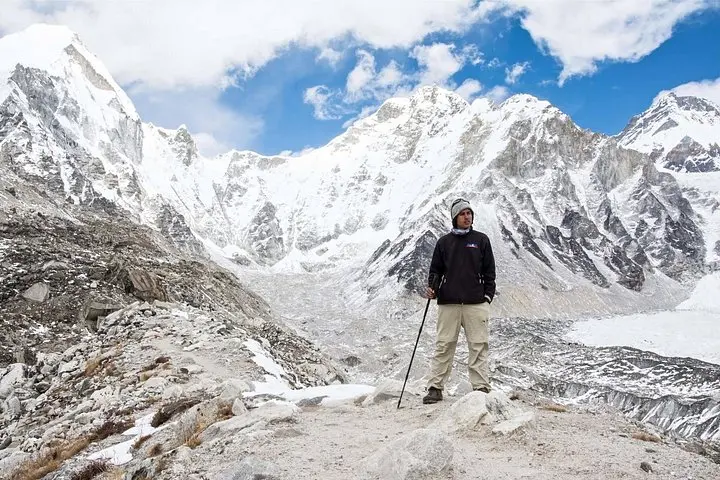
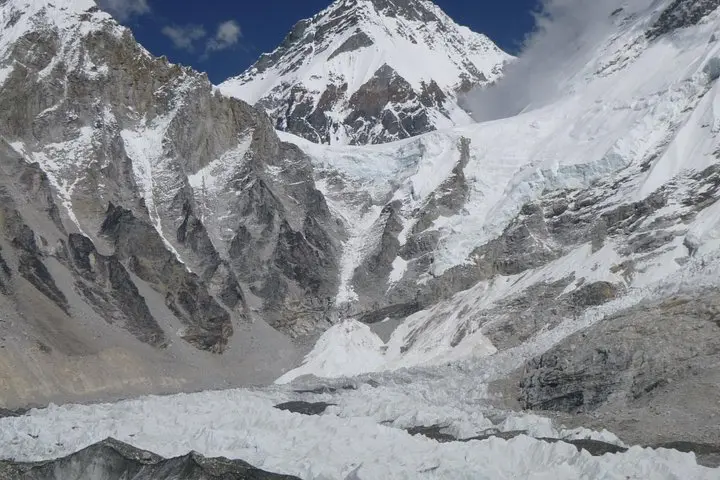
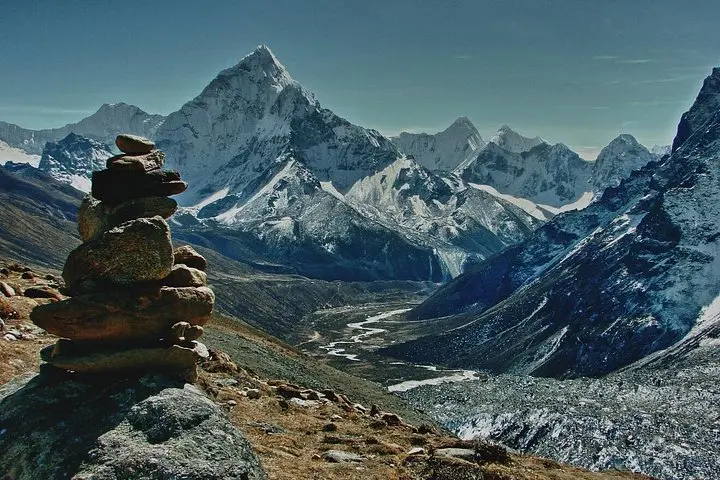
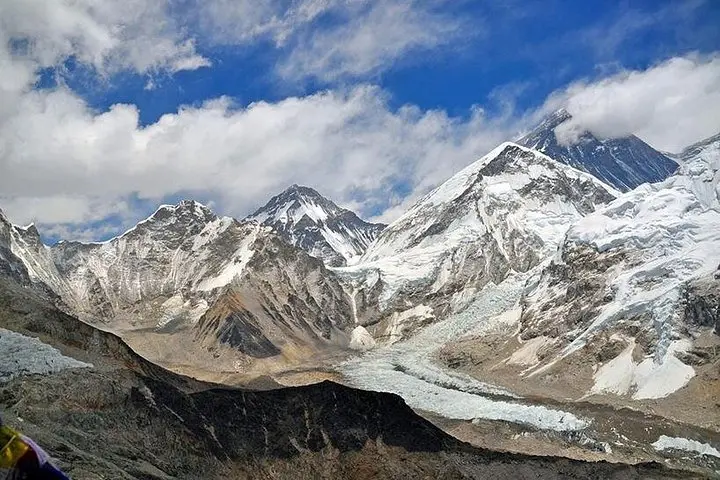
The Everest Three Pass route links Renjo La, Cho La and Kongma La, each sitting above roughly 5,300 m and 5,500 m. Geology here is raw: folded metamorphic rock, steep moraines and active glacial tongues carve the valley floors. Culturally the trail threads Sherpa villages, mani walls and gompas where Nepali and Tibetan trade routes met for centuries; Sagarmatha National Park protects much of the corridor and requires permits and a TIMS card.
Expect long days on rocky, sometimes icy paths with steep switchbacks and exposed cols where wind will push and test your layers. Lodges and twin-share teahouses dominate the nights between Lukla and Everest’s approaches, with a few higher sections offering sparse shelter.
Practical guidance: plan for paced acclimatization (rest days at Namche and Gokyo recommended), carry a personal altitude plan and a reliable down layer. Hydrate regularly and use a pulse oximeter if you monitor acclimatization. The trek is non-technical but physically demanding — a mix of high-elevation endurance, route-finding on moraines, and snow travel over passes that may require crampons in shoulder seasons.
Logistics: most itineraries include return Lukla flights and Kathmandu transfers, full-board meals on trek, licensed guides and necessary park permits. Respect local culture, pack out trash, and allow extra buffer days for Lukla flight weather.
Typical itineraries run about 16–18 days with daily walking of 4–8 hours; some days include long ascents/descents and shorter acclimatization days.
The standard route is non-technical but may require crampons and an ice axe in snow conditions; guides will advise and some operators provide or rent this gear.
Late spring (April–May) and early autumn (September–November) offer the most stable weather and clear views, though shoulder seasons can work with more snow risk.
You need Sagarmatha National Park entry, a TIMS card and local government tourism fees; licensed operators typically handle permits.
Adventure Bound operates guided outdoor trips and adventures with an emphasis on safety, stewardship, and memorable experiences.
You step off the short Lukla runway into thin air and a ridge of Himalayan wind that seems to test your intent before the trail does. For the next 17 days the Khumbu will press and reward you in equal measure — villages with prayer flags snapping, glaciers grinding in silence, and three high col saddles that force the route and the traveler to change.
You step off the short Lukla runway into thin air and a ridge of Himalayan wind that seems to test your intent before the trail does. For the next 17 days the Khumbu will press and reward you in equal measure — villages with prayer flags snapping, glaciers grinding in silence, and three high col saddles that force the route and the traveler to change.
The Everest Three Pass route links Renjo La, Cho La and Kongma La, each sitting above roughly 5,300 m and 5,500 m. Geology here is raw: folded metamorphic rock, steep moraines and active glacial tongues carve the valley floors. Culturally the trail threads Sherpa villages, mani walls and gompas where Nepali and Tibetan trade routes met for centuries; Sagarmatha National Park protects much of the corridor and requires permits and a TIMS card.
Expect long days on rocky, sometimes icy paths with steep switchbacks and exposed cols where wind will push and test your layers. Lodges and twin-share teahouses dominate the nights between Lukla and Everest’s approaches, with a few higher sections offering sparse shelter.
Practical guidance: plan for paced acclimatization (rest days at Namche and Gokyo recommended), carry a personal altitude plan and a reliable down layer. Hydrate regularly and use a pulse oximeter if you monitor acclimatization. The trek is non-technical but physically demanding — a mix of high-elevation endurance, route-finding on moraines, and snow travel over passes that may require crampons in shoulder seasons.
Logistics: most itineraries include return Lukla flights and Kathmandu transfers, full-board meals on trek, licensed guides and necessary park permits. Respect local culture, pack out trash, and allow extra buffer days for Lukla flight weather.